Multiway pots in poker — how to play when there are three or more players in the pot
A multipot is a hand where several players reach the postflop. This happens when you raise and get multiple calls, or when you call a raise yourself and end up in the pot against two or more opponents. Playing multipots is harder than playing hands one-on-one. Here you're not up against a single range of hands, but several at once. This means the probability of making a winning combination drops, while the chance of you making a mistake rises. Errors in these pots are more costly, so you need to play hands against multiple opponents carefully.
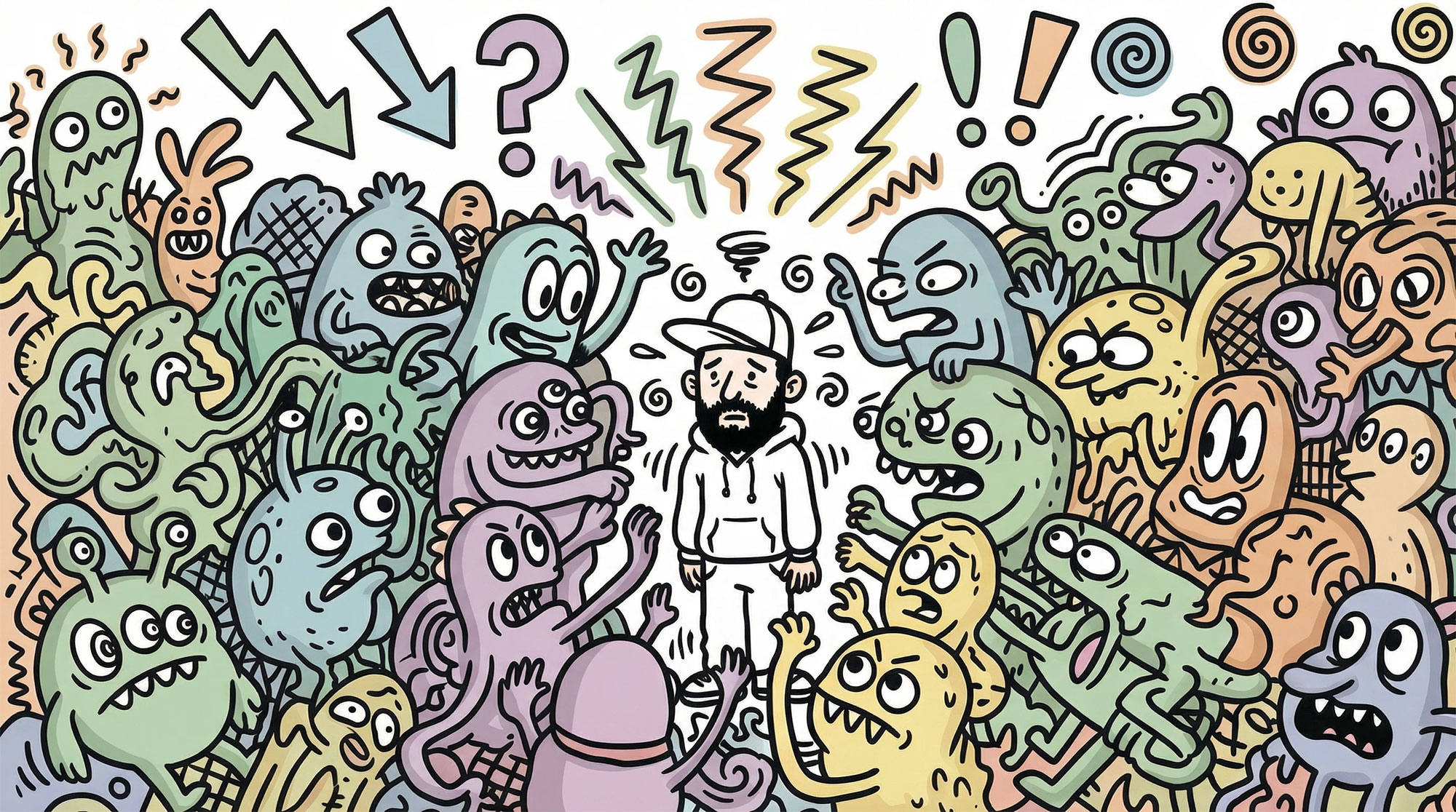
Features of playing in multiway pots
Opponents fold less often.
When there are several players in the pot, there's a higher chance that someone has made a hand. Because of this, your bets will take down the pot less often.Bluffs become rare.
Opponents understand that their bluffs will be less effective, so they play much more honestly. If you see a bet in a multiway pot, most of the time it really is a strong hand.Weak top pairs and draws are played passively.
Players with hands like second pair, a weak top pair, or a draw will more often just check and call, avoiding raises. They show aggression mainly with strong hands.Many strong hands lose value.
Hands that seem strong in a heads-up pot are already marginal in a multiway pot. Top pair on a board with draws and several opponents is far from a great hand. Low straights and weak flushes will also often be beaten.The nuts make more money.
The more players in the hand, the higher the chance your strong hand gets paid off. The nuts in a multiway pot is an opportunity to win a big pot.
How to play in multiway pots?
Play by the strength of your hand.
In multiway pots there's less room for creativity. Fold weak hands more often, don't call with weak draws, and don't try to cleverly outplay your opponents.Bet bigger with strong hands.
When you have the nuts or a hand close to it, don't be afraid to make big bets. In multiway pots there's more often a hand ready to pay you off.Minimize bluffs.
Bluffing against several opponents is almost always unprofitable. The exception is a situation where all opponents have checked two streets in a row. This is often a sign of weakness. In such hands you can try to take down the pot with one big bet on the river — 75%+ of the pot.
Conclusion
Multiway pots require careful and honest play. Don't try to outsmart and bluff your opponents. The more opponents there are, the simpler and more "honest" your strategy should be.
Play by the strength of your hand, bet only with strong hands, cut down on bluffing, and fold to a bet with every hand weaker than top pair or a strong draw.
You'll find more useful information in the FF Start course — click the button to sign up.
FAQ
What should I do if I make a weak top pair in a multiway pot?
Play as cautiously as possible. A top pair with a bad kicker in a multiway pot is no reason to build the pot. The optimal line: check, call one street against a small bet, and fold thereafter if someone starts betting big. In such hands you'll often be behind.
Can you bluff in a multiway pot?
Almost never. The more players in the hand, the lower the chance of pushing all your opponents out. Bluffs work in rare situations where everyone has checked two streets in a row and the board clearly didn't help anyone.
When should you make big bets?
If you have the nuts or a very strong hand. In a multiway pot there's much more often a player ready to pay off a strong hand, so don't hesitate to bet bigger and win more chips.
Read next

How to Cope with a Downswing

How to try poker for free
Professional VS amateur: key differences in poker thinking