A Career in Poker: How Much Do Professional Players Earn
The world's top poker players earn millions of dollars every year. The leader of the 2026 overall standings — Brandon Wilson — won $5,196,247 in 3 months.
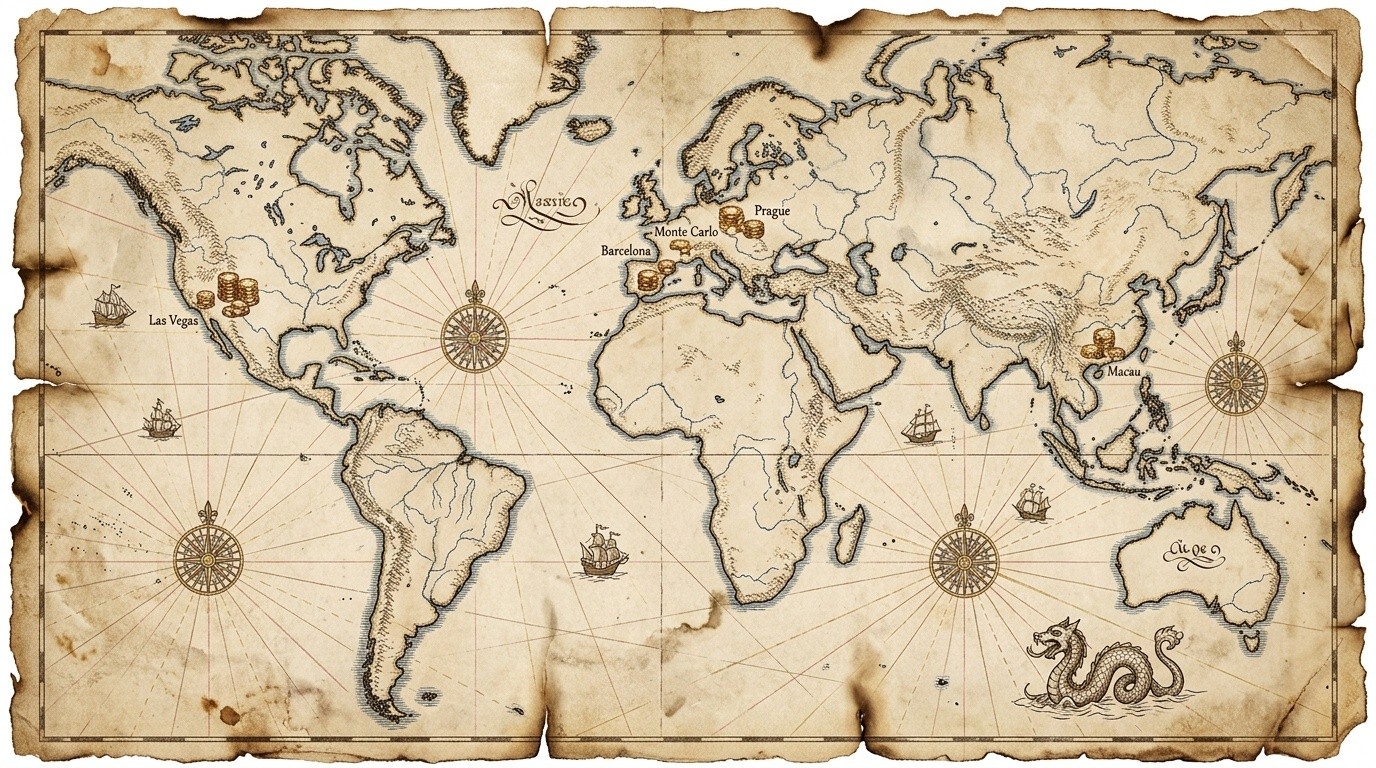
The world's top poker players earn millions of dollars every year. The 2026 overall leaderboard leader — Brandon Wilson — won $5,196,247 in 3 months. However, most industry professionals don't reach such results. In this article we'll look at players' earnings in: cash, tournaments, and Spins. Along the way we'll also discuss the difficulties that come with a poker career.
Can you make a living from poker
Thousands of people around the world support themselves with poker. However, over 75% of players lose money over the long run. The path to a stable income takes several years and requires systematic work. In poker, you won't become a millionaire in a single moment.
Poker as a profession
A professional poker career is often contrasted with classic 5/2 jobs. People see the card game as an easy way to break the routine. This frivolous picture comes with photos of beaches, palm trees, hammocks, and laptops. The possibility of quick success is confirmed by Chris Moneymaker's victory at WSOP 2003 or by the millionaires from Spin&Go tournaments.

One of the most popular live festivals — PokerStars Caribbean Adventure — was hosted for decades by the tropical paradise of the Bahamas
The heartless reality of poker instantly shatters inflated expectations. Several losses in a row cause disappointment among beginning players. Many newcomers forget about the game after their initial failures.
Good results in poker require: hard work, systematic effort, discipline, regular training, self-belief, and the ability to take a hit. The same skills lead to success in other professions too. Getting familiar with the harsh statistics will be of great benefit:
75% of players lose money over the long run;
15% — show near-zero results;
10% — consistently earn money from poker;
2% — have earned over $10,000 in their career.
The difficulty of the path and the low odds of becoming a professional poker player will scare off many newcomers. However, those who decide to give it a try will approach the matter with realistic expectations. A poker career can be divided into 3 types:
Winning amateur. Devotes a few hours a week to the game, has modest skills, but earns a little.
Semi-professional. Combines a classic job with poker. Plays actively after the workday and on weekends. Poker earnings cover part of their needs.
Professional. Poker is the only source of income. Devotes 40–60 hours a week to the game.
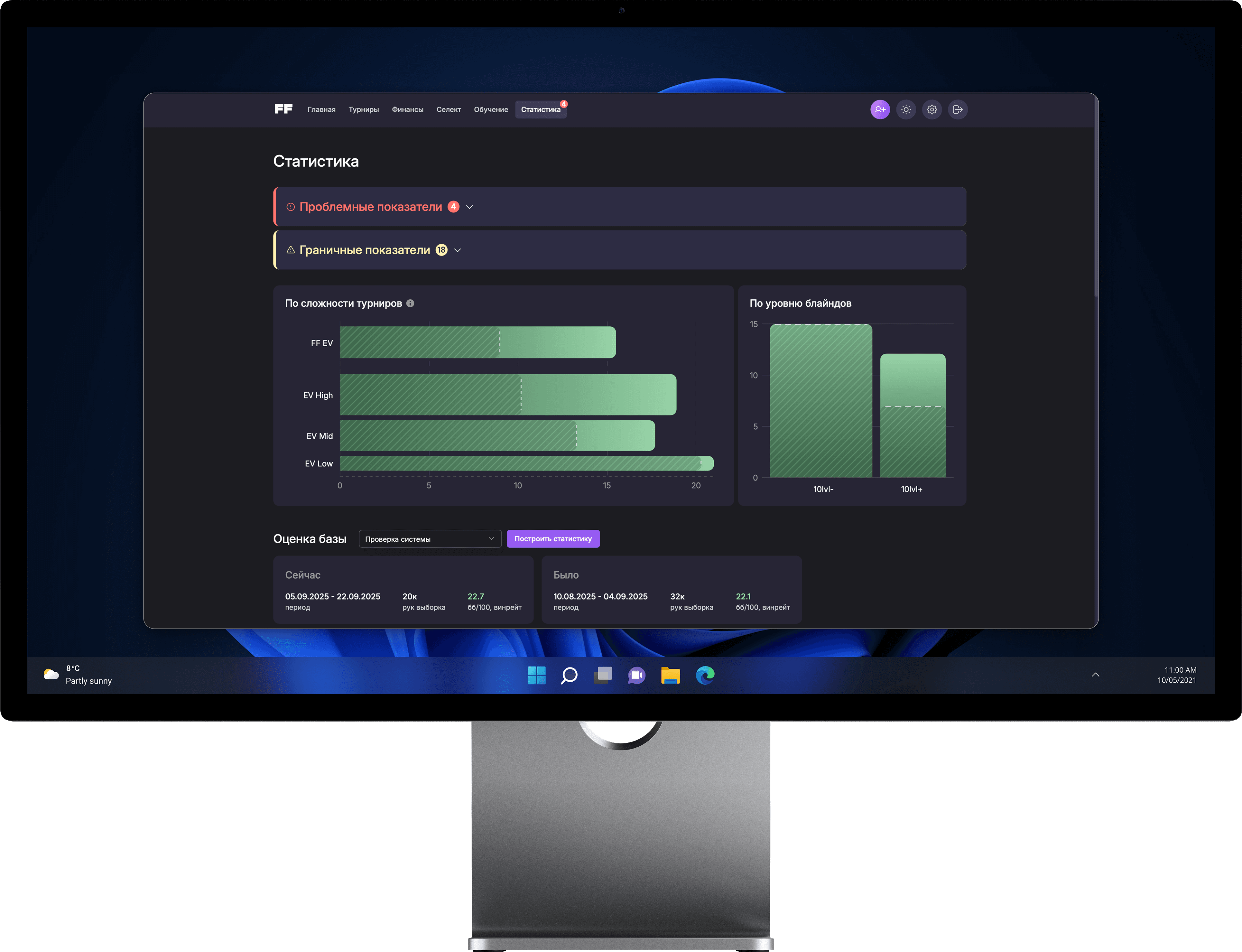
You can start a poker career at any level. FunFarm's training programs will help you assess your interest in the game and your prospects. FF Start offers 30 lessons for self-study. The course is suitable for winning amateurs. For advanced players we recommend FF Player Path. Over 8 months, program participants will: build a foundation, complete 15 levels of training, and reach a monthly income of $1,200.
How much do poker players earn
Income in poker depends on several parameters: discipline, stakes, number of hands or tournaments, rakeback, rake, and taxes in the country. Let's look at the figures of the top representatives of their disciplines and stakes.
Cash. Let's take the results of PokerStars and Winning Poker Network players for May 2025.
Nickname | Stakes | Number of hands | Winnings |
S.Artsiom.O. (PS) | NL10 | 42,204 | $842 |
Xydou88 (PS) | NL25 | 54,815 | $2,808 |
HheatHheart (PS) | NL50 | 40,611 | $2,701 |
Xenicide (PS) | NL100 | 18,564 | $2,600 |
Lecherous (PS) | NL200 | 13,581 | $7,809 |
FREDDYBULLIT (WPN) | NL500 | 33,035 | $11,461 |
DrunkisJeremy (WPN) | NL1000 | 6,868 | $31,740 |
Terminallylll (WPN) | NL2000 | 5,552 | $51,213 |
IIIIIIIIIIIiii (WPN) | NL5000 | 1,759 | $71,197 |
IIIIIIIIIIIiii (WPN) | All stakes | 5,643 | $103,561 |
The example of the top earner shows that poker players play several stakes at once. That's why the number of hands and total earnings may differ.
Tournaments. To calculate how much a poker player earns in MTT, the Return of Investment, or ROI, metric is used. It is calculated as follows:
((total prize money / total buy-ins) – 1) × 100%.
For example: a poker player played 50 tournaments at $2 each and won $200. Their ROI is: ((200/100) – 1) × 100% = 100%. Every dollar invested brought the player 100% profit.
Here's what the top 10 of online tournament poker for 2025 looks like:
Nickname | Room | Profit |
B Binder | GGNetwork | $1,940,278 |
kingqueensuited | WPN | $1,763,046 |
D Kravchenko | GGNetwork | $1,487,669 |
Bow2Me | WPN | $1,037,094 |
Narvalo38 | GGNetwork | $988,470 |
Xtremist | WPN | $910,163 |
Queen Peach | Winamax.fr | $798,195 |
FedorFoldz | WPN | $778,081 |
S1NISTR0 | WPN | $720,274 |
EasyShips | GGNetwork | $716,880 |
Let's also provide statistics for FunFarm fund poker players:
Tier | ABI | Number of tournaments | Approximate earnings |
FF Start | 0-2 | 200 | $50 |
Liga 3 | 2-10 | 400 | $550 |
Liga 2 | 10-50 | 400 | $1,900 |
Liga 1 | 50-100 | 400 | $4,400 |
Elite | 100+ | 400 | $5,000+ |
To complete the picture, let's look at the career prize money of live poker stars. As of April 2026, the top 10 looked like this:
Player | Total won in tournaments |
Bryn Kenney | $ 81,011,995 |
Stephen Chidwick | $77,001,909 |
Jason Koon | $72,117,656 |
Nikita Bodyakovskiy | $67,752,594 |
Justin Bonomo | $65,611,097 |
Isaac Haxton | $64,058,598 |
Dan Smith | $60,718,814 |
Daniel Negreanu | $57,688,697 |
Alex Foxen | $56,138,108 |
Adrian Mateos | $55,357,644 |
For winning a major poker tournament, a player can receive several million. The champion of the World Series of Poker Main Event often takes home from $10,000,000. The maximum sum was carried off by the winner of ME WSOP 2023 — Daniel Weinman.
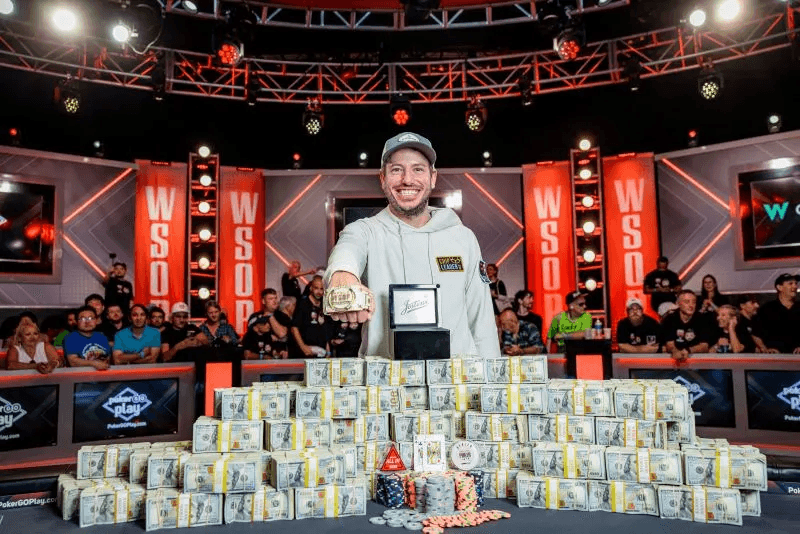
The WSOP 2023 victor poses with the gold bracelet and record prize money
Weinman was paid $12,100,000. The absolute record for prize money in a single tournament is held by Bryn Kenney with a win of £16,890,509 at the Triton Million for Charity. The impression of the prize is slightly spoiled by the £1,050,000 buy-in. Kenney multiplied his entry fee 17 times. Entry to ME WSOP costs $10,000: the tournament champion takes home upward of 1,000 buy-ins.
Spin-n-go. Hypothetically the format allows you to win huge money in a few minutes. For example, on Winamax Poker in a tournament with a €2 buy-in you can win €800,000. The problem with the format is the modest chances of landing the jackpot. The required multiplier comes up 1 time in 10,000,000 Spins. Much more often poker players fight for 2–4 buy-ins. Approximate player earnings over the long run of 3,000 tournaments look like this:
Stakes | Profit |
$0.25 | $95 |
$1 | $310 |
$3 | $780 |
$7 | $1,450 |
$15 | $2,600 |
$30 | $4,000 |
$60 | $7,500 |
$100 | $10,500 |
Player earnings are affected by room promotions. Let's take Twister for €100 on RedStar Poker as an example. The room set a 7% rake. The loyalty program provides 35% rakeback. Over 3,000 Spins the player will pay €21,000 in commission. RedStar Poker will return €7,350 to them. A sum comparable to the income from playing. Additionally, the room organizes daily races for Twister players. Indirect profit from the loyalty program and leaderboards can exceed direct poker earnings.
Online or live play — which to choose for a poker career
It's easier to take your first steps in poker online. To get acquainted with the game, it's enough to go to Google Play or the App Store and download an app. The internet gives you the opportunity to build a poker career from scratch. For example, Viktor Malinowski and Annette Obrestad won their first money in free MTTs. Online poker is also valued for the speed of learning: in a couple of sessions online a player will play more hands than their offline counterpart does in a month. Specialized software also boosts learning efficiency.
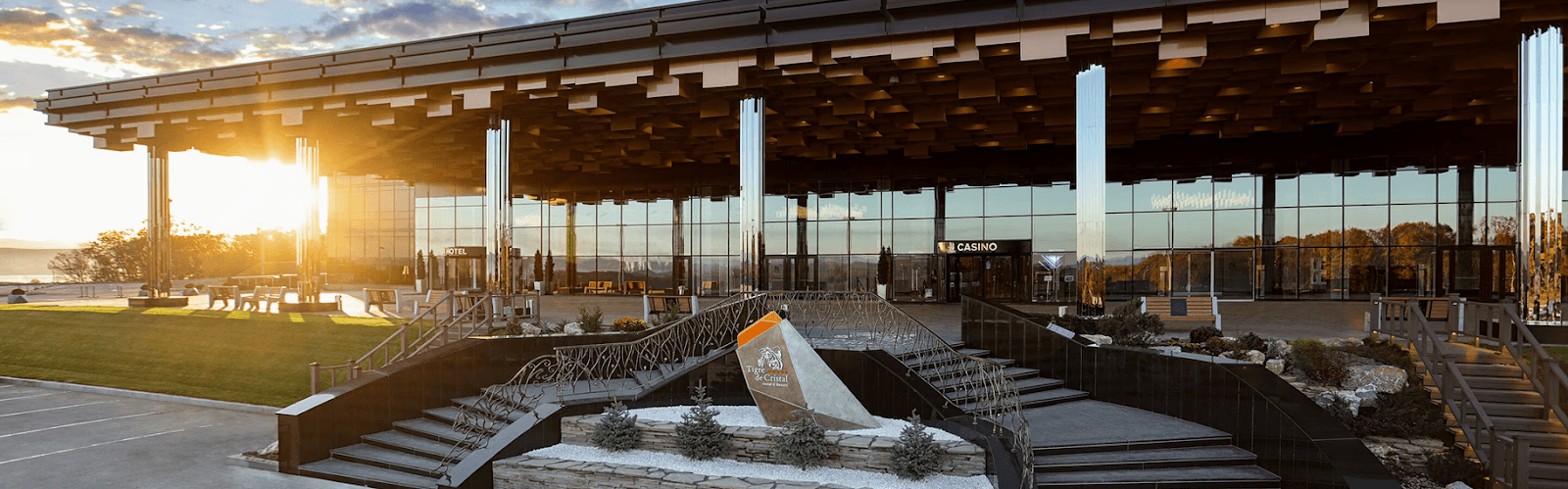
Residents of some countries have been relieved of the agony of choice and had poker banned outside of gambling zones
It's easy to find arguments in favor of live play too. The main one is soft fields. The level of players in offline poker is lower than online. Tells and communication with opponents help you make better decisions against live opponents. Online, an opponent won't start holding their breath or blinking frequently. Their shaking hands won't give them away either. An additional plus of live poker is prize money. All the largest MTTs take place offline. Players coming from the internet need time to adapt. Live poker regulars are already ready to conquer the WSOP or Triton Series.
Many professional poker players combine offline and online. Let's take Nikita Bodyakovskiy as an example. In live tournaments the player has earned $67,752,594. However, Bodyakovskiy is also good online. His list of wins includes:
$1,100,000 for first place in an MTT with a $25,500 buy-in on POKEROK in 2021;
$594,000 for third place at WCOOP in 2015;
$570,000 for second place at SCOOP in 2017;
$569,575 for second place at WCOOP in 2017;
$164,000 for winning the Sunday Million in 2012.
Let's also mention Niklas Lena900 Astedt. Online the player has earned almost $50,000,000. Over time, success came at live festivals too. For example, in 2026 he won the EPT Paris €50,000 Super High Roller and received €625,600. In 2024 Lena900 took third place at ME WSOP. The disappointment of the loss was eased by $4,000,000.
There's no universal answer. If you want quick progress and are ready for fierce competition — start online. If you value comfort and know how to read people — play offline. We recommend taking the best of both worlds: the internet will give you quick progress, live festivals — big prize money and the opportunity to travel.
Where to start a poker career
When getting acquainted with the game, newcomers study the rules. Beginning poker players memorize: the ranking of combinations, the order of betting, and the names of positions. Books, articles, and training videos will let you learn the basic information. At the following stages players:
Choose a suitable discipline. Modern online poker offers 3 directions: cash, tournaments, and Spins. In cash the variance is lower, but you won't win much money per session. A tournament win will multiply your buy-in by hundreds of times, but success can take months to wait for. Spins allow you to win a million in 7–10 minutes. However, the required multiplier comes up with a vanishingly low probability. Newcomers are better off starting with tournaments or cash.
Choose a room to play in. Beginning players select platforms by various criteria. Usually they look at: the welcome promotion, the loyalty program, software quality, and convenience of payment methods. It's also useful for newcomers to consider the room's policy regarding statistical programs. Without the help of Hand2Note or PokerTracker 4 it's harder to progress. That's why RedStar Poker, PokerStars, or PokerKing are better suited to beginning players.
Build a starting bankroll. Over a short distance, poker results depend on variance. To survive a losing streak, you need a safety margin. In cash it's recommended to save up from 30 to 50 buy-ins of your working stakes. Example: playing at NL10 requires a bankroll of $300 or more. In tournaments the variance is higher, so you need a reserve of 100 to 150 buy-ins. For example, you can participate in $50 MTTs with $5,000 in your balance. We've dedicated a separate article to bankroll management.
Buy software. Statistical programs and an equity calculator will be of the greatest benefit to newcomers. Hand2Note or PokerTracker 4 will solve the task of gathering information on opponents. It's convenient to analyze hands in Flopzilla or Power-Equilab. Many developers give the opportunity to evaluate the software for free.
Practice reviewing sessions. In the early stages of a career it's important to analyze every mistake. The more thoroughly a newcomer approaches the review, the faster they progress. If you want to increase the efficiency of your analysis — write down conclusions and recommendations after the review.
Join poker schools. To speed up and systematize learning, you can go to a backing fund. Schools and funds are ready to train players in exchange for a share of their earnings. Most organizations don't accept players without experience. However, there are exceptions: we invite graduates of FF Start to continue their training at FunFarm.
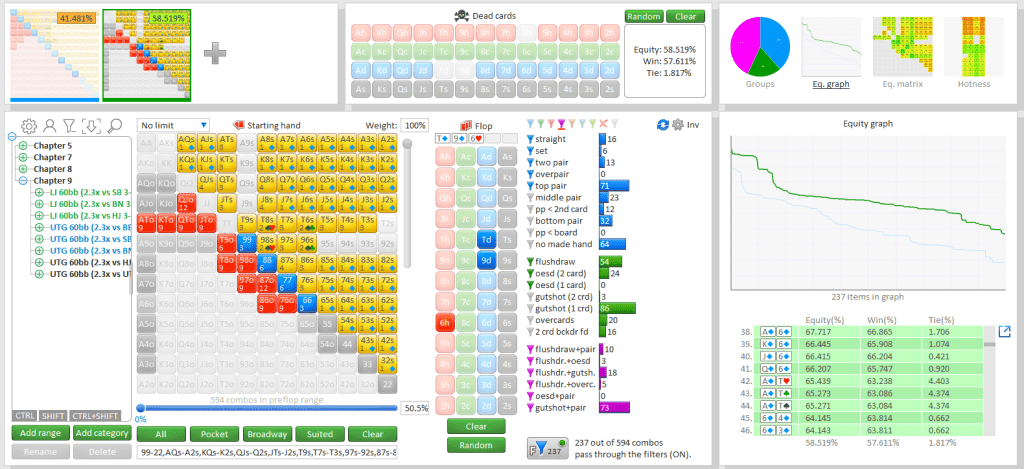
Regular work in the calculator eliminates crude mistakes
Many famous professionals started blogs at the beginning of their careers. A personal diary helps you: set goals, track progress, and find like-minded people. You can open a blog on popular poker resources. A Telegram channel will work too.
How long do you need to study to earn money from poker
To consider poker a profession, you need to show stable results over the long run. Winning $4,000–$5,000 in the second tournament of your career is not a reason to quit your job. There's a high probability that the quick success was brought to the player not by exceptional ability but by a positive swing of variance. In MTT it's hard to assess the real level of mastery. A nice graph from SharkScope can't be considered conclusive evidence either. To get an objective picture, you need to thoroughly analyze a database of hands.
In cash, the path to stable results at NL25–NL50 takes 1.5–2 years. We're talking about the average figure: poker history knows examples where players reached NL2–NL100 in a year. In tournaments you can reach a monthly income of $1,500 or more in a year. The FF Player Path program provides for growth up to $1,200 over 8 months of training. The speed of progress is determined by the quality of study. Study with a coach, regularly review hands with other players, analyze sessions in software — and the result won't be long in coming. Ignore bankroll management, tilt, don't devote time to study — and you'll get stuck at low stakes.
Newcomers are advised to follow the proportion of "1 hour of study per 4 hours of play". It allows you to combine theory and practice. The player gets new information and reinforces it in real conditions. You can use a different approach too. For example, conduct in-depth analysis every 50,000 hands. Over the long run, success will be determined by systematic effort and quality of study.
Risks and difficulties of a poker career
Professional poker is often associated with freedom and high earnings. The beautiful picture hides pitfalls. The main problem of a player's career is financial instability. Poker players regularly fall into prolonged losing streaks. Sometimes you can show good play and suffer defeats for several months in a row.
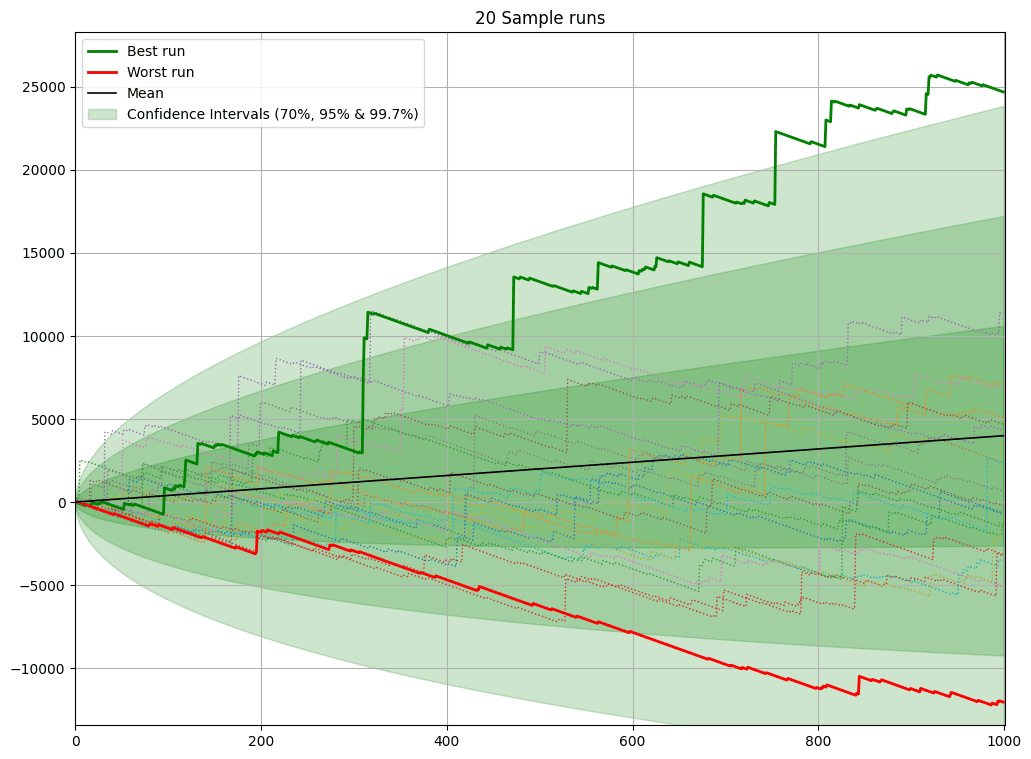
Graphs from a variance calculator are a convincing argument in favor of a conservative bankroll
However, money is the tip of the iceberg. Regular losses increase psychological pressure, cause tilt and depression. You can't discuss problems with office colleagues, and loved ones don't always understand the subtleties of poker. The absence of social guarantees doesn't help the mood either. Poker players aren't provided with paid sick leave. Rooms don't pay a stable salary either. The player is left one on one with force majeure.
The situation is aggravated by increasing competition. Gradually the skill level of opponents grows. To outclass opponents, a professional devotes a lot of time to study. Sometimes poker eats up all your free hours and energy. As a result, personal life and health suffer.
Additional risks are created by the legal status of poker. Should a professional player pay taxes? What percentage of income should be given to the state? Do online winnings count, or does the tax authority track only offline? It all depends on the legislation of the player's country of residence. For example, Montenegro doesn't recognize online play as a source of income. So you don't have to pay taxes on online winnings. In Russia the approach is different: a player must pay personal income tax on earnings at a rate from 13% to 22%.
How do you become a professional poker player? You need to keep yourself within strict limits. Top poker players regularly exercise, maintain a sleep schedule, work with mental coaches, and develop relationships with colleagues. Giving up bad habits will also increase endurance. A cigarette or a chocolate bar will ease the disappointment of a loss, but it will work against you over the long run. We've examined a healthy approach to the matter in more detail in the article on signs of burnout.
Advantages of a poker career
The advantages of poker outweigh the disadvantages. That's why professionals are ready to endure long losing streaks and pressure. The main advantages of a poker career:
Autonomy. The player makes all decisions independently. They have no boss. They don't need to follow a dress code or come to work at 8:00 in the morning. If a poker player is tired of the daily grind, they take a vacation and go on a trip. Without approvals from HR or a manager.
Fast growth. To earn a decent living at a classic job, you need to study at university for 5 years and accumulate experience. As a result, a specialist reaches decent money 7–8 years after finishing school. In poker you can get a similar monthly income in 1–2 years. An additional plus — the room doesn't ask you to show a diploma from a prestigious educational institution and relevant work experience. Many poker professionals earn more than top managers of large companies.
A chance to see the world. Online poker provides the opportunity to play from anywhere on the planet. Players travel and change countries without losing their source of income. Poker lets you live where you want and work as much as you want. Some professionals successfully combine career and travel by following the major tournament series. In April you go to the Belarus Poker Tour, in May — battle at the Battle of Malta, in June — conquer the WSOP in Las Vegas. Tired of the kaleidoscope of countries? You launch the room client and work from home.
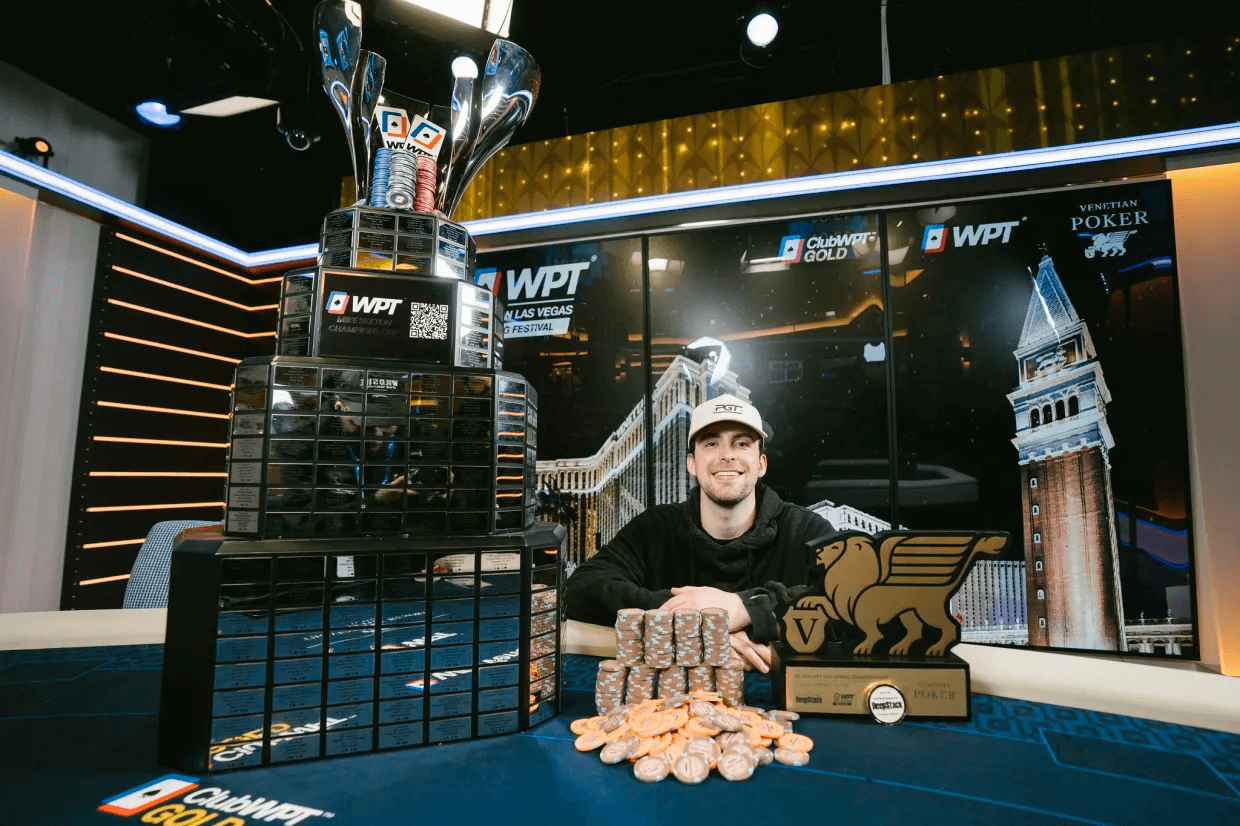
Before becoming a professional poker player, weigh its advantages and disadvantages
Poker is easier to combine with other fields. A player can simultaneously run a travel blog, engage in investing, or open a channel on Twitch. Advertising contracts provide additional income for poker stars. For example, Daniel Negreanu's cooperation with PokerStars brought him from $2,000,000 to $4,000,000 annually. There's no data on the player's current contract with GGPoker, but it's unlikely the world's leading room pays less.
FAQ
How much money do you need to start a poker career?
You can start a poker career from scratch. Free tournaments — freerolls — will let you earn your first money. If you want to speed up progress, you can make a modest deposit. To start at NL2, top up your account by $60. We recommend tournament players deposit $100.
How many hours a day do professional poker players play?
A player's work schedule depends on the discipline and personal preferences. On average, a professional poker player's playing day is from 4 to 8 hours at the tables. During major festivals the number of hours increases. On top of that you need to add time for study.
Do you need to pay taxes on poker winnings?
It depends on the player's country of residence. In Thailand, Serbia, or Montenegro you don't need to pay taxes on online poker winnings. In Russia the percentage depends on the player's status. If they have registered as a sole proprietor, their tax rate will be 6%. An alternative option is personal income tax. In Russia a progressive personal income tax scale applies, from 13% to 22%.