Pre-session rituals: how to switch into A-game mode and approach the game more professionally
Professional poker isn't just about strategy, mathematical calculations, and analyzing hands. It's also the ability to manage your mental state.
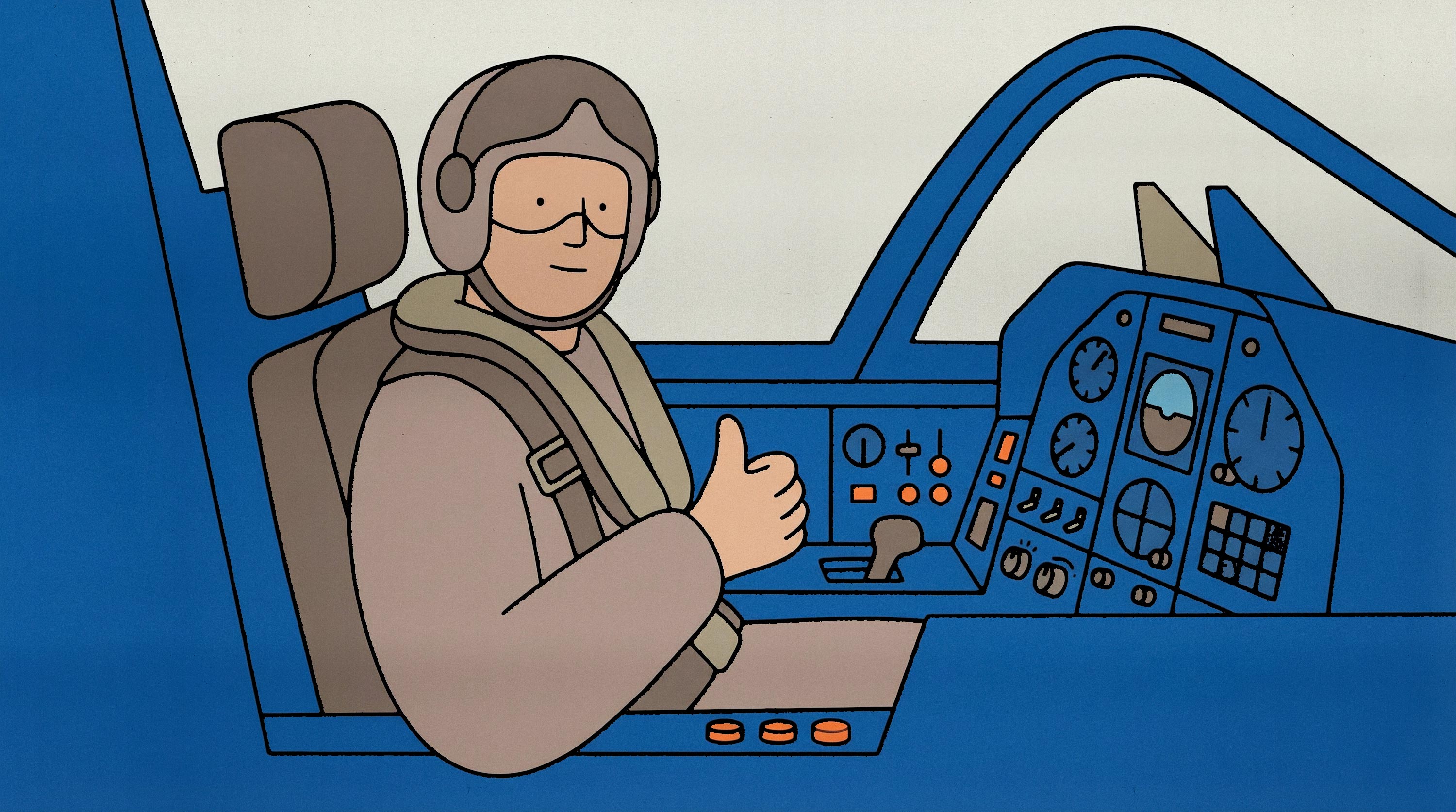
A player who can focus on demand, maintain emotional stability, and keep a clear mind gains an edge that directly affects the quality of their decisions over the long run.
To make this process systematic, players use rituals — short, repeatable actions that help the nervous system shift from everyday mode into professional-play mode. Despite their outward simplicity, rituals work on a deep psychophysiological level and allow you to sustain a stable A-game.
In this article we'll figure out why rituals are genuinely effective, how to build your own, and what role tools like stress relievers play in this process.
You'll learn:
why rituals help you enter the A-game state
how the psychophysiological mechanisms that rituals activate work
which four blocks an effective pre-session ritual should consist of
what actions you can use in each block
how to tell whether a ritual is actually working
Why does a poker player need rituals?
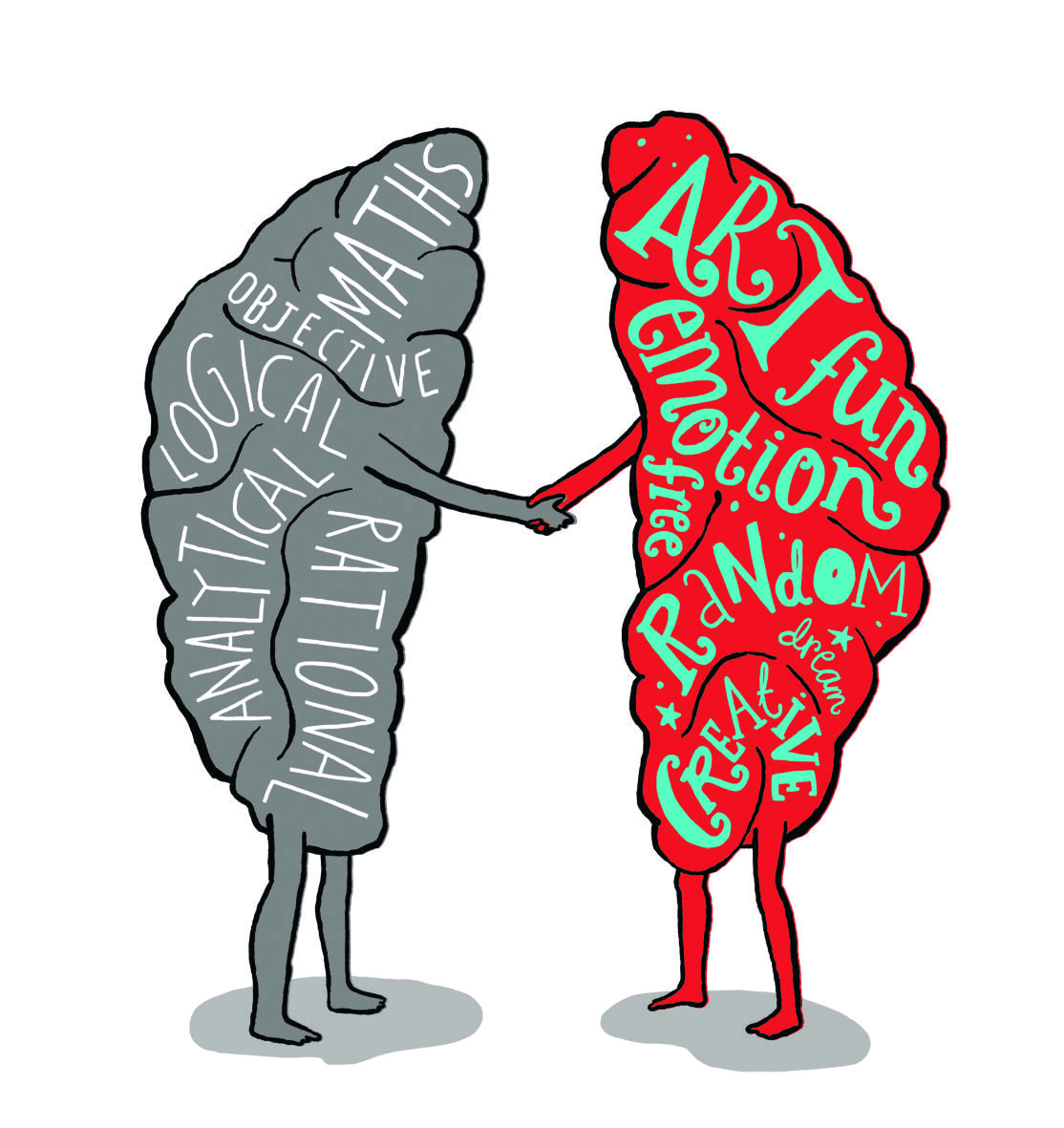
Our brain doesn't like chaos. It works better when there's structure, clear signals, and recurring patterns. A ritual is a mini-script that tells the nervous system in advance:
"We're about to solve complex problems"
Such actions help reduce anxiety, stabilize attention, and prepare cognitive functions for the load. Below are the mechanisms that rituals are based on.
1. Context switching
When you regularly repeat the same set of actions before a session, the brain starts to associate them with a particular state — focus, attentiveness, and control. Over time, even a short ritual triggers the mechanism of automatically switching into work mode.
2. The anchoring effect
Any consistent action creates a neural "pathway." Repetition strengthens it. If you perform the same set of steps before every session, they become a signal to the brain — "now I need to show my A-game" — meaning you activate the right state by performing a familiar action.
3. Reducing uncertainty
The start of a session is the moment of maximum cognitive load. The brain isn't ready for the load yet, decisions come harder, and impulsivity is higher. A ritual sets a sequence: this reduces anxiety and the number of mechanical errors in the first hands.
4. Increasing inner autonomy
When a player has a ritual, their state becomes manageable. The game stops depending on mood, external circumstances, and fatigue level.
Do stress relievers help you win?
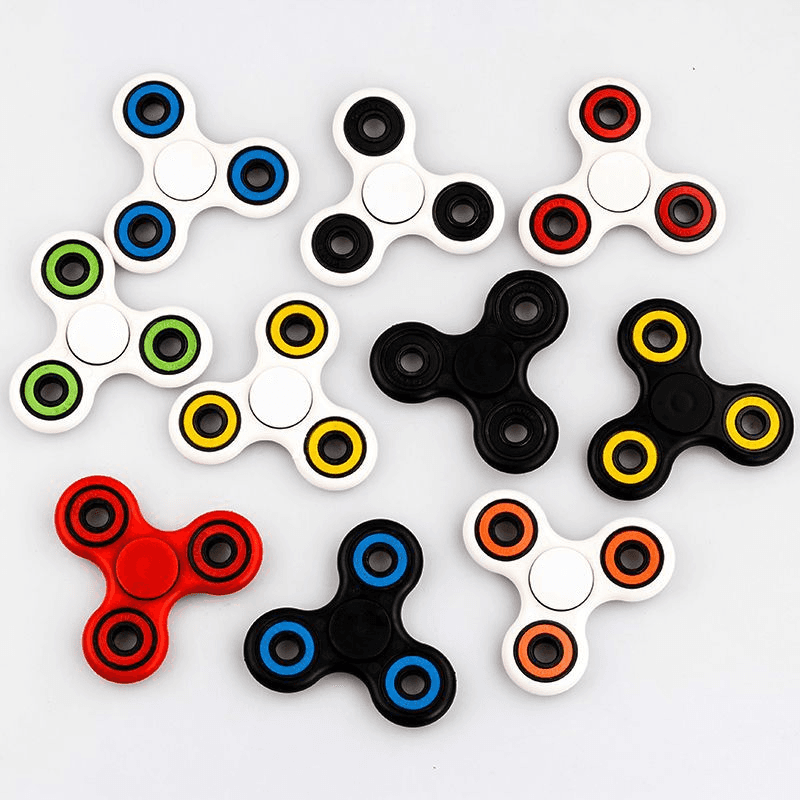
Players are often surprised — how can pop-its and fidget spinners affect the quality of the decisions you make in poker? But psychology and neurophysiology explain it very clearly.
1. Releasing tension is biology, not "calming yourself down"
During play, the levels of cortisol and adrenaline in the body rise. The accumulated tension is especially concentrated in the hands and shoulders.
When you squeeze a stress reliever, three processes happen:
the muscles get a controlled load
proprioceptors send a signal to the brain — everything is safe
the parasympathetic nervous system is activated — the "calm down" mode
Result: the body relaxes → the brain gets more resources → decisions become more stable.
2. Safe emotional release
Emotions in poker are energy. If you don't give them a safe outlet, they turn into tilt, impulsive calls, smashed mice, shouting, and swearing.
The stress reliever becomes an airbag: emotions get an outlet but aren't transferred into your in-game action.
3. Rhythm is a universal sedative
The brain loves predictability. When you click or knead a stress reliever at a steady tempo, a stable sensory pattern forms that:
stabilizes breathing
evens out the heart rate
reduces activity in the amygdala — the anxiety center
This helps you return to a calm state faster after a bad beat or a lost big pot.
4. Stopping rumination and switching off the inner dialogue
After an unpleasant hand, the brain often starts a loop of thoughts — "what if I'd played it differently?", "why did I choose this line?"
This activates the "default mode network" (DMN) — the rumination center that triggers the process of endlessly chewing over the same thoughts.
A stress reliever switches the brain into sensory mode, reduces DMN activity, and literally yanks the player out of the unpleasant inner dialogue.
5. Holding focus and the sense of control
During a long session, attention naturally drops. A stress reliever creates a tone that:
maintains focus
prevents boredom and distraction
gives a sense of control over the situation
For the psyche, this is a crucial support.
How to put together a working pre-session ritual?

A good ritual isn't a set of random actions, but a sequence that works on different levels of the psyche.
Block 1 — Setting goals for the session
The brain needs a frame — "what counts as good play today?". It's important for the player to define the right goals, for example:
"I focus on the quality of my decisions"
"I don't push dubious spots"
"I evaluate every hand through a plan"
"I don't make impulsive decisions after a bad beat"
This way you reduce the emotional swings and focus on the soundness of the decisions you make.
Block 2 — Physical activation
Any movement is a powerful signal for the nervous system. Just 30–40 seconds of simple exercises is enough. In total, the pre-session warm-up will take no more than 5–10 minutes, and the effect over the long run will be substantial.
Professional players use exercises like:
10 squats or bends
a neck and back warm-up
a light shake-out of the arms and shoulders
self-massage of the traps or jaw.
These actions quickly switch the body into work mode and improve cognitive flexibility.
Block 3 — Emotional tuning
The goal is to create a light state of combat readiness. This isn't aggression but a controlled tone that helps you avoid sluggishness and passive decisions.
Examples:
A short visualization of combat readiness. Picture yourself in the first two hands — focused, precise, active.
A musical launch. Listen to a track that triggers a working drive.
"Power pose." Stand upright for a minute, shoulders back, body composed — a scientifically proven way to raise your level of subjective strength.
"Combat breath." A sharp short inhale through the nose + a long exhale through the mouth.
Block 4 — Cognitive tuning
This is a mini warm-up for the prefrontal cortex — the area responsible for strategic thinking. Simple actions help engage your analytical process even before the game starts, such as:
Math warm-up. Remind yourself of the rules for counting pot odds, the formulas for calculating bounties, or recall your notes with working strategies. Or all of it at once!
Reviewing a few hands from your last session on your own. This helps not only in the short term but also in the long run — it'll be easier for you to make decisions, and the brain won't spend resources on calculations during the session.
5 signs that the ritual is working
You enter work mode faster
The first hands go confidently and without fuss
Fewer tilt-driven or impulsive decisions
Focus lasts longer
Emotional reactions become softer and more manageable.
Conclusion
Rituals and stress relievers aren't secondary details but tools for managing your state. They help stabilize attention, reduce emotional peaks, and keep your game structured throughout the entire session.
A poker player who can switch on their A-game on demand gains an edge that shows up not in a single hand but over the long run.
If you want to build a professional approach to the game — from strategy to state — join FunFarm. We teach you not only to play, but to think, feel, and act like a pro.
FAQ
Do I need to use rituals before every session?
Yes. A ritual's effectiveness is based on repetition. If you do it irregularly, the anchoring mechanism won't work.
Can rituals replace working on emotions and mental techniques?
No. Rituals help regulate your state but don't replace deep work on attitudes, beliefs, and emotional reactions. They're effective as part of a system.
How do I know when a ritual should be revised?
If you perform it mechanically but your state doesn't change, the ritual needs to be adapted — change the blocks, shorten it, or add elements that engage you in the game better.
Read next
What is a split (pot division) in poker, and when does it happen?
Poker Math: How to Count Outs and Pot Odds
# Slowplay in Poker: The Complete Guide to Profitably Playing Strong Hands