Playing Without Bluffing in Poker: A Path to Losing
Why Playing Without Bluffing Is a Bad Strategy
1. Strong hands appear rarely
It's not enough to wait for a good starting hand. You still need to make a hand with it and then get paid off. While you wait, your stack shrinks as the blinds go up. And also because of hands where you put chips into the pot preflop but missed the flop and simply gave up, losing part of your stack.
Meanwhile, a single small bet into an opponent's check takes these pots at a huge frequency. By never bluffing, you miss the chance to maintain your stack in a tournament, since the probability of missing the board is significantly higher than the probability of hitting it.
2. Opponents easily adjust to this playing style
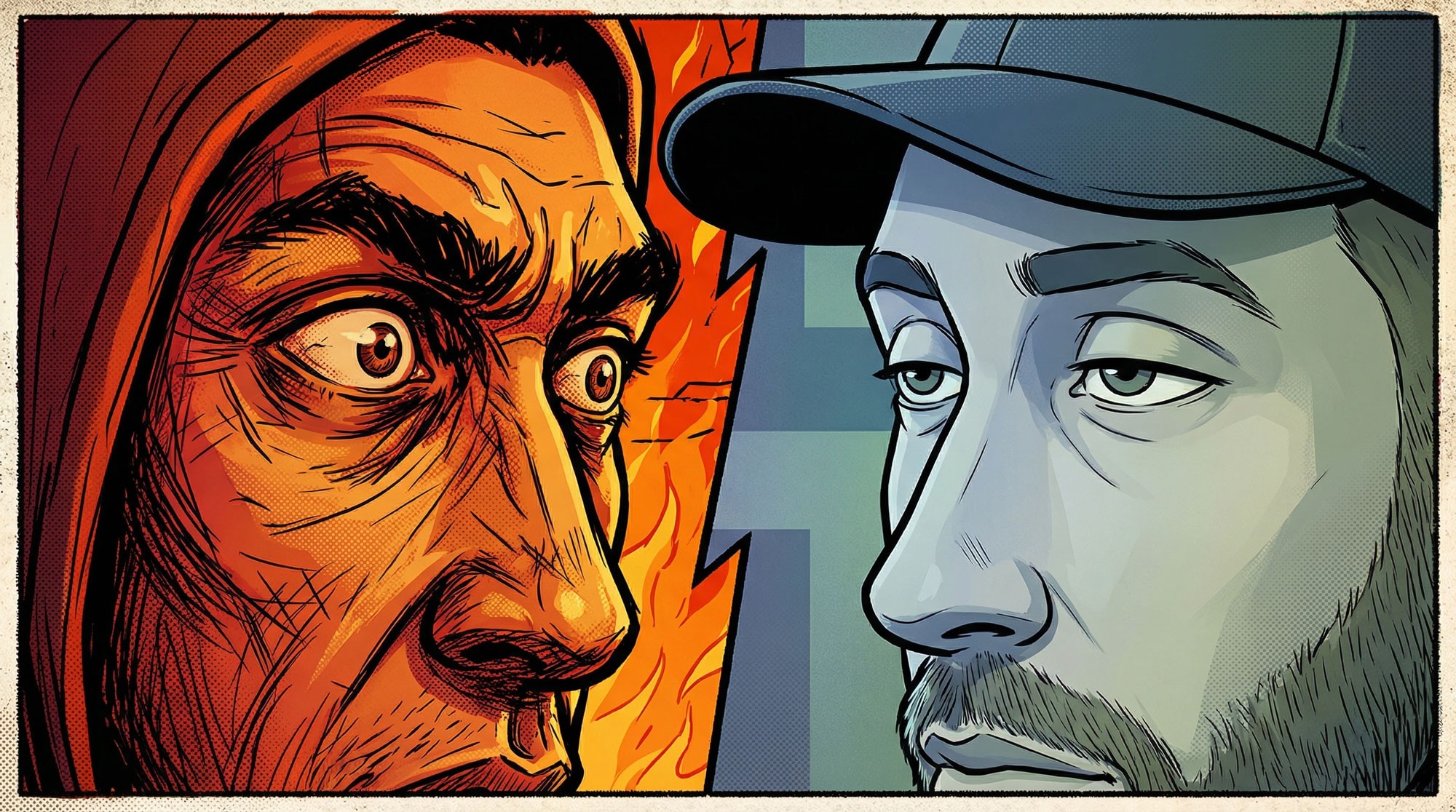
If you never bluff, it becomes clear to other players: your bets mean strength. They stop getting involved in hands with you, and your strong hands get paid off less often. Because of this, the main idea of playing without bluffs — winning at showdown — stops working. The ease with which opponents adjust to this strategy makes it useless.
3. You don't win pots without showdown
In poker, a huge number of hands end without a showdown. If you never attack without a strong hand, you voluntarily give up all of these wins. You win only when the cards come, and you lose in all other situations. Mathematically, this is unprofitable.
4. You don't develop the skill of reading bluffs
To read other people's bluffs, you need to bluff yourself. Only this way do you develop a feel for the plausibility of the line your opponent is playing, an understanding of inconsistencies, and the ability to notice moments where the opponent is "pretending" to have strength that isn't there. Without this experience, the ability to catch other people's bluffs develops much more slowly.
How to start bluffing?
If you're a beginner and want to gradually build bluffing into your game, start with basic situations where the expected value is already on your side.
1. Make a c-bet in heads-up pots in position
If you were the preflop aggressor, bet 30% of the pot on the flop, even if you missed the board. In most cases the opponent will simply give up, and this action will be profitable over the long run.
2. Bet into the aggressor's "missed bet"
If the opponent was the aggressor preflop but didn't make a c-bet, bet yourself.
If the opponent made a c-bet, you called, and he doesn't bet the next street — also bet yourself on the river.
Most opponents play honestly, and if they had a strong hand they would keep putting chips into the pot. Their check is a signal of weakness for you. The fold frequency in these situations is very high, so even the simple strategy of "always betting" turns a profit. Later you'll learn to distinguish good spots for betting into a missed bet from bad ones.
3. Use semi-bluffs
If you have an unmade hand (for example, a flush draw or a straight draw), bet not only because you can make the opponent fold, but also because you have chances to improve your hand. In those cases where your hand improves, the pot will be big enough to win even more chips with a potentially best hand.
4. Bet in situations where you can't win at showdown
If your hand can't win at showdown, but the opponent plays cautiously and checks, make a bet. This way you'll at least sometimes win in situations where you couldn't have won, and you'll reduce your chip losses over the long run.
Conclusion
Playing without bluffs only seems safe at first glance. In practice it leads to losing chips, predictable play, and busting out of tournaments. You don't have to bluff big and often, but if you want to win over the long run, you absolutely need to be able to take pots not only with strong hands, but also with correct decisions in moments when the cards didn't help. This is exactly what separates a good player from someone who only hopes for luck.
FAQ
Do I need to bluff if I play microstakes?
Microstakes are precisely the best place to master bluffing. Here you play against weak opponents who are worse at recognizing this move, and your bets will get through significantly more often. Plus, it's much safer and smarter to learn in cheap tournaments than to immediately risk large buy-ins, where mistakes cost more.
How do I identify a profitable spot for a bluff?
It's almost always profitable to maintain consistent aggression, even if your hand has no real strength. For example, making a standard c-bet after a preflop raise already turns a profit over the long run.
In addition, learn to notice an opponent's weakness. If a player checks in situations where they would normally keep betting with a medium or strong hand — that's an excellent reason to bluff. A missed c-bet, declining to make a second bet, a series of checks in a row — all of this most often indicates weakness and gives you the chance to take the pot without a showdown.
Is there a simple way to start bluffing if I'm afraid of taking risks?
Yes. Apply the recommendations from this article and bluff in those situations where it's truly profitable. Make continuation bets, attack into your opponent's missed aggression, use semi-bluffs, and take pots that you can't win at showdown. This approach will let you gradually build bluffing into your game without unnecessary risk.
Read next
Multiway pots in poker — how to play when there are three or more players in the pot

How to Cope with a Downswing

How to try poker for free