The Psychology of Endurance: How to Play Poker Regularly Without Burning Out
Expert guide to protecting yourself from burnout in poker. How downswings, tilt, and pressure affect your winrate, and which practical tools will help you maintain peak performance.
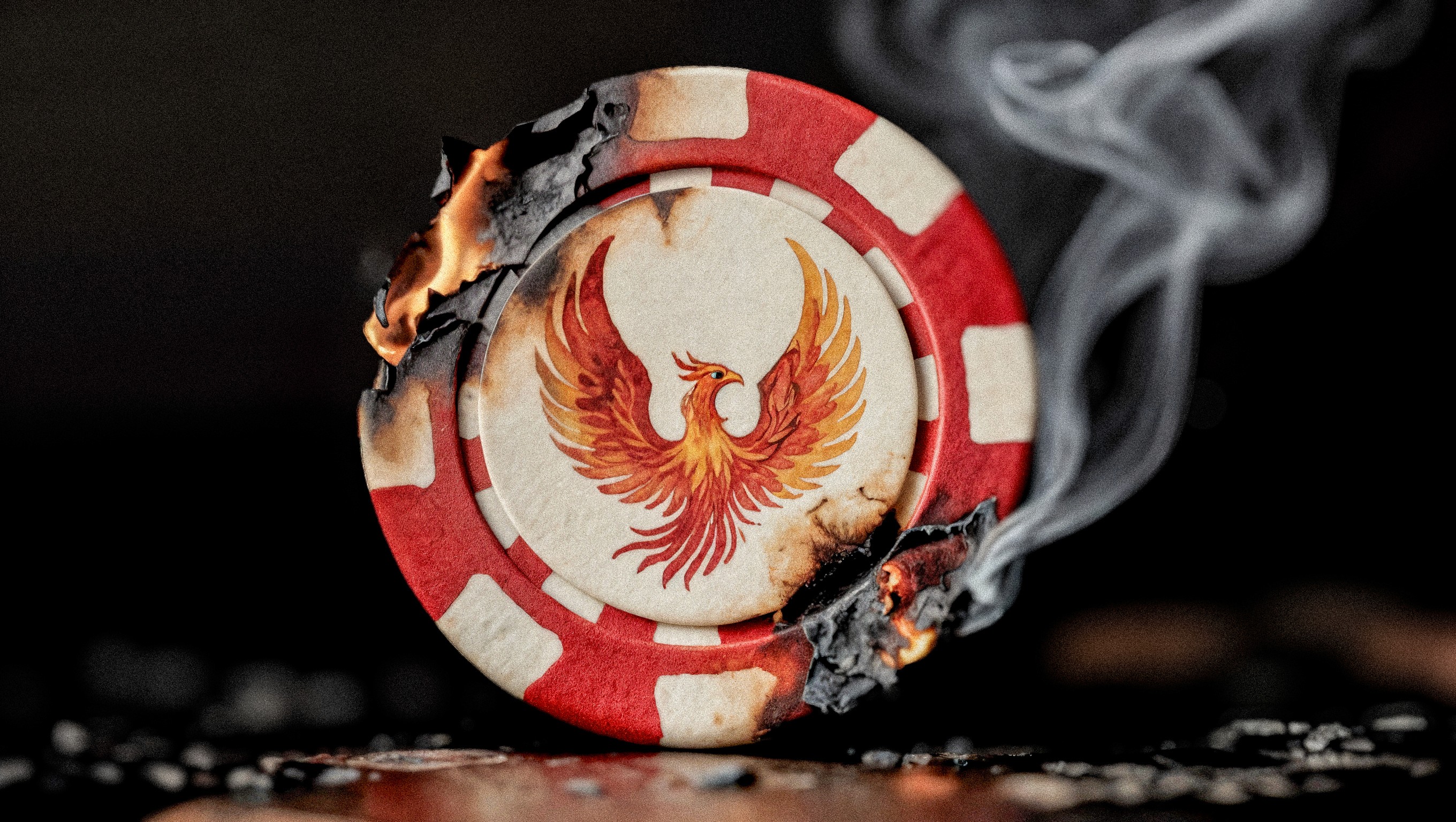
Modern poker is a mental marathon, not a sprint. Edges over the field are measured in fractions of a percent, and success is determined not only by the quality of your A-game, but by the ability to endure long runs without losing focus. In this reality, the professional's main enemy is not the opponent, but internal burnout — a state that nullifies strategic skills and turns the game into a source of stress.
In this article we'll break down the phenomenon of burnout at the molecular level: we'll define its symptoms, identify the key triggers, and, most importantly, build a comprehensive system of defense that will allow you to grind regularly, efficiently, and without harm to your mental health.
What is burnout in poker: Diagnosing the problem
Burnout is not just a bad day or fatigue. It is a state of chronic emotional, physical, and mental exhaustion caused by prolonged stress. In the context of poker, it manifests as a loss of motivation, a cynical attitude toward the game, and a sharp drop in results.
To recognize the threat in time, check yourself against the key symptoms:
Category | Symptoms | How it shows up in play |
Psychological | Apathy, irritability, loss of concentration, anxiety | Indifference to results, automatic play "on autopilot," inability to focus on the dynamics at the table. |
Emotional | A feeling of emptiness, frequent mood swings, cynicism | Hatred of poker, a sense that the grind is meaningless, sharp bouts of tilt over minor bad beats. |
Physical | Chronic fatigue, sleep disturbances, headaches | Drowsiness during sessions, neglect of rest and nutrition, a general feeling of being worn out. |
If you recognized yourself in even a few of these points, it's time to take preventive measures.
The main triggers of burnout
Your psychological immune system weakens under the influence of three main factors:
Downswings: A losing streak when you lose over and over again despite making correct decisions. Variance hits your bankroll and, even more dangerously, your self-confidence.
Tilt: A loss of emotional control that leads to suboptimal, aggressive, or passive decisions. This is a direct path to spewing your stack and accumulating mental negativity.
Volume and pressure: A monotonous grind over many hours, the pressure of money, and the need to constantly maintain peak concentration deplete your cognitive resources.
Understanding these triggers is the first step toward building an effective defense.
The defense system: 3 levels of protection against burnout
To play for the long haul and successfully, you need to work in three key areas.
1. Psychological hygiene (Mindset)
This is your inner shield. Its job is to correctly process negative emotions and setbacks.
Working with tilt: Identify your triggers (specific opponents, types of hands) and develop a "stop-loss" protocol. This could be a short break, breathing exercises, or ending the session entirely.
Accepting variance: Internalize that losing is an inseparable part of the game. Focus not on the short-term result, but on the quality of the decisions you make. Keep statistics and analyze hands to make sure your strategy is correct over the long run.
"Growth mindset": Treat mistakes and setbacks not as a verdict, but as an opportunity to learn. Analyzed a tough hand and found a leak? Great — you got stronger.
2. Physical foundation (Lifestyle)
Your brain is a biological instrument, and its efficiency directly depends on the state of your body.
Sleep: 7–8 hours of quality sleep is not a luxury, but a production requirement. A lack of sleep directly reduces concentration and increases emotional vulnerability.
Nutrition: Avoid "fast" carbs and sugar, which cause energy spikes and subsequent crashes. Add brain foods to your diet: fish (omega-3), nuts, berries, green vegetables.
Physical activity: Regular exercise (even a 30-minute walk) improves circulation, relieves stress, and boosts endurance, including at the poker table.
3. Strategic buffer (Game Management)
This is your safety system that minimizes damage during losing periods.
Bankroll management: Strict bankroll management is the best cure for stress. By playing within your bankroll, you know that no downswing can bust you. This gives you the freedom to make correct decisions without fear.
Table selection: Choosing tables with weak opponents is the fastest way to raise your winrate and reduce variance. There's no need to prove yourself in battles with the best regulars at your stake; your goal is to maximize profit.
A balanced schedule: Alternate between playing, studying, and resting. Don't turn poker into a 24/7 affair. Having a hobby and a social life outside of poker is a key factor in long-term sustainability.
From defense to dominance
Protection against burnout is not a sign of weakness, but an element of professional discipline, on par with GTO calculations and exploiting opponents. By implementing these principles, you build a system that will allow you not just to "survive" over the long run, but to maintain peak performance and mental freshness.
But remember that the best psychological tools work when they're built on a solid foundation of a winning strategy. When you're confident in the quality of your decisions, withstanding variance and tilt becomes an order of magnitude easier.
Ready to turn your game from a chaotic grind into a professional system? Start with the first lesson of the FF Start course for free and lay the foundation on which the game of modern professionals is built.
FAQ
Is burnout a real problem or just an excuse for those who can't handle losing?
It's a clinically recognized condition that arises in any field with a high level of stress and pressure. In poker, where results don't always depend on effort, the risk of burnout is especially high.
What should I do if I play for fun, not professionally? Do I need all these measures?
Yes. Even for a hobby player, burnout can turn a beloved pastime into a source of negativity. Basic principles (controlling emotions, full rest) will help you get the most enjoyment out of poker.
What's the most effective "first step" for combating the onset of burnout?
Take a complete break from poker for 3–7 days. No play, no hand analysis, no watching streams. Let your brain "reboot." If the desire to play doesn't return after the break, the problem may run deeper.
Can the right software (trackers, HUDs) help in the fight against burnout?
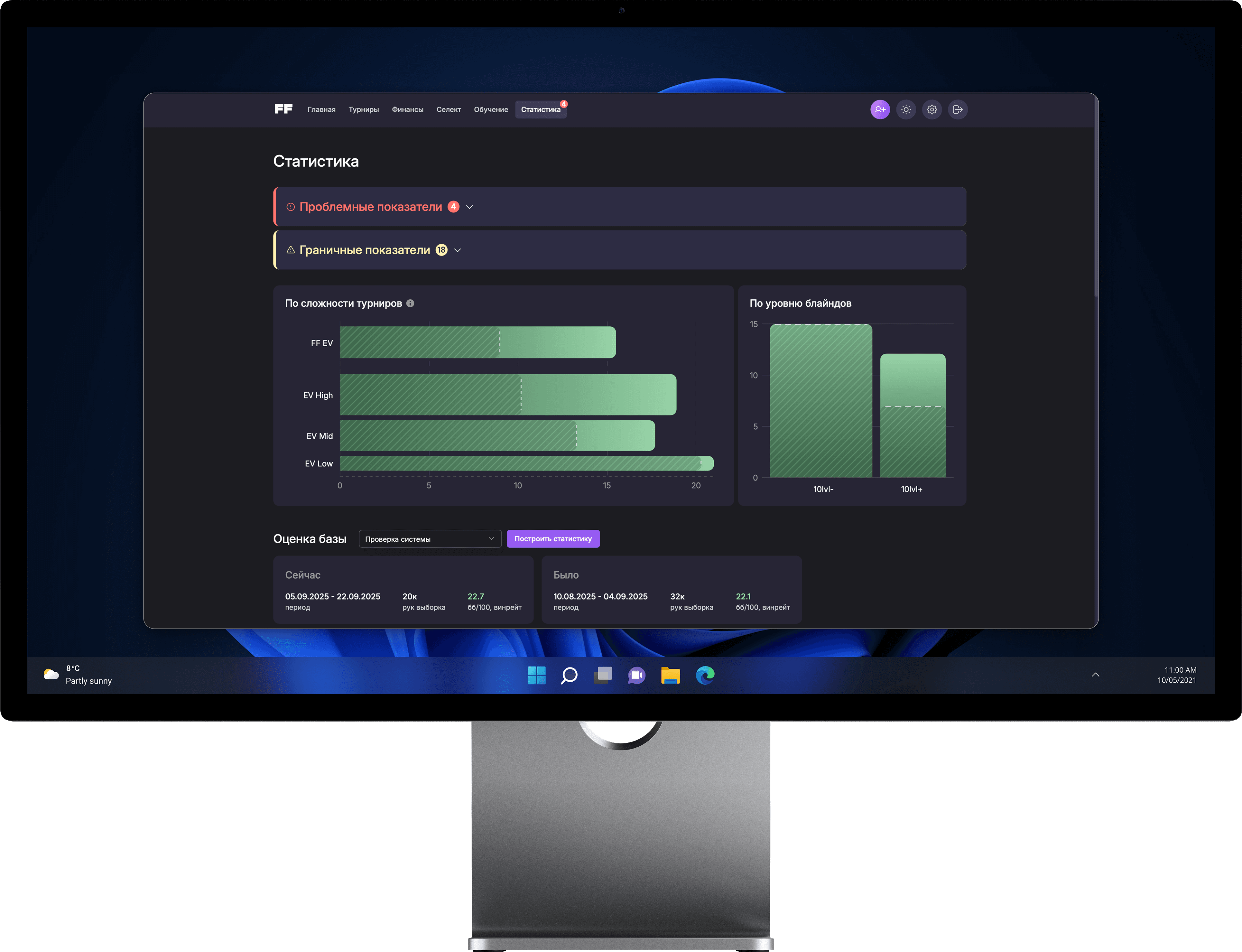
Indirectly — yes. Objective data from a tracker helps separate emotions from reality. Seeing that you're winning over the long run makes it easier to handle local setbacks. A HUD reduces cognitive load by automating the collection of basic information about opponents.
Read next
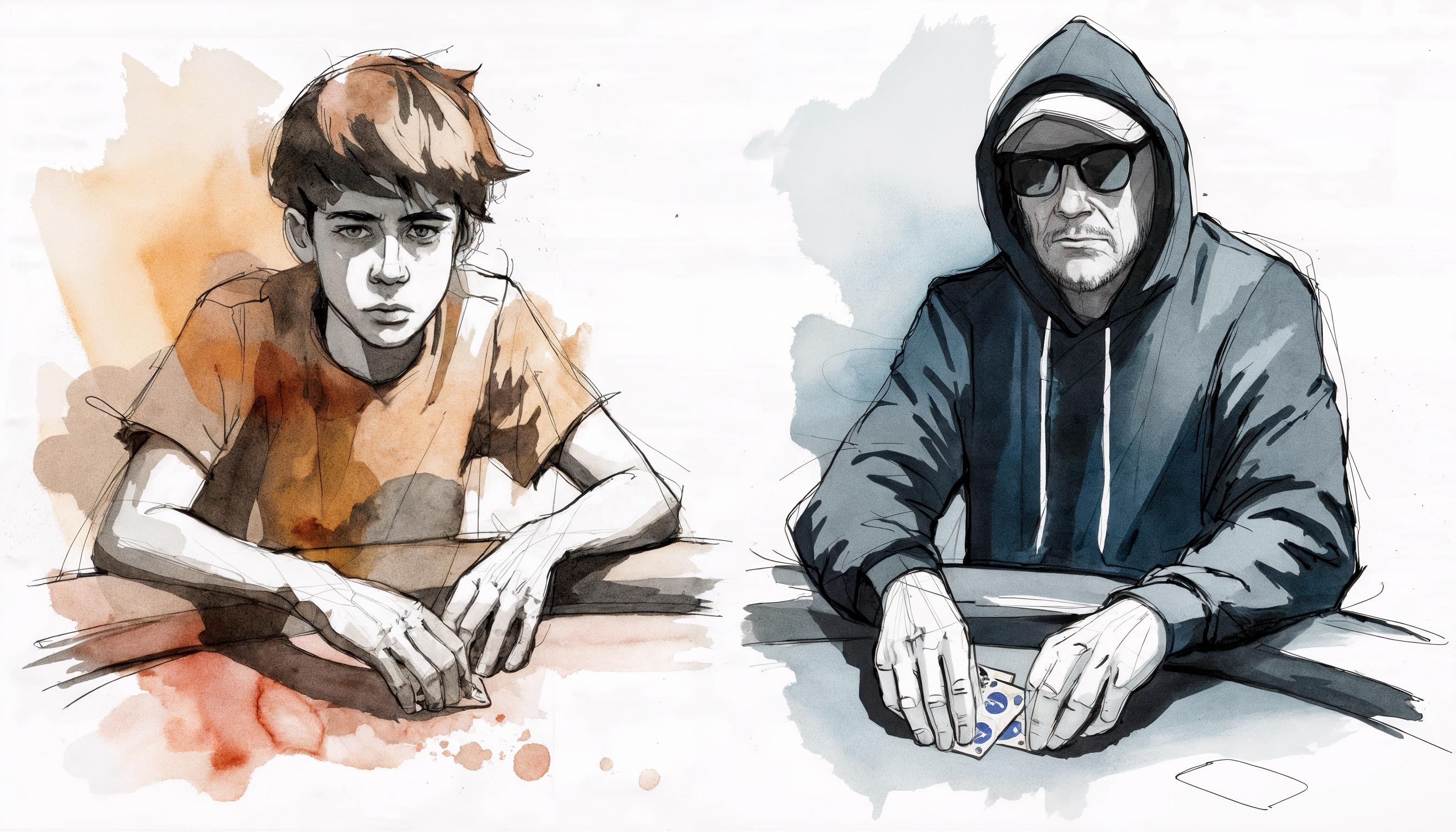
Professional vs. Amateur: who are you at the poker table?
# Position in Poker: A Complete Guide for Beginners

What is tilt and how do you fight it?