# Limping in poker: why it's a mistake and how to punish limpers
Limping is the main sign of a weak player. Find out why it's a serious mistake, how to make a proper isolation raise, and which strategy will help you systematically take chips from passive opponents.
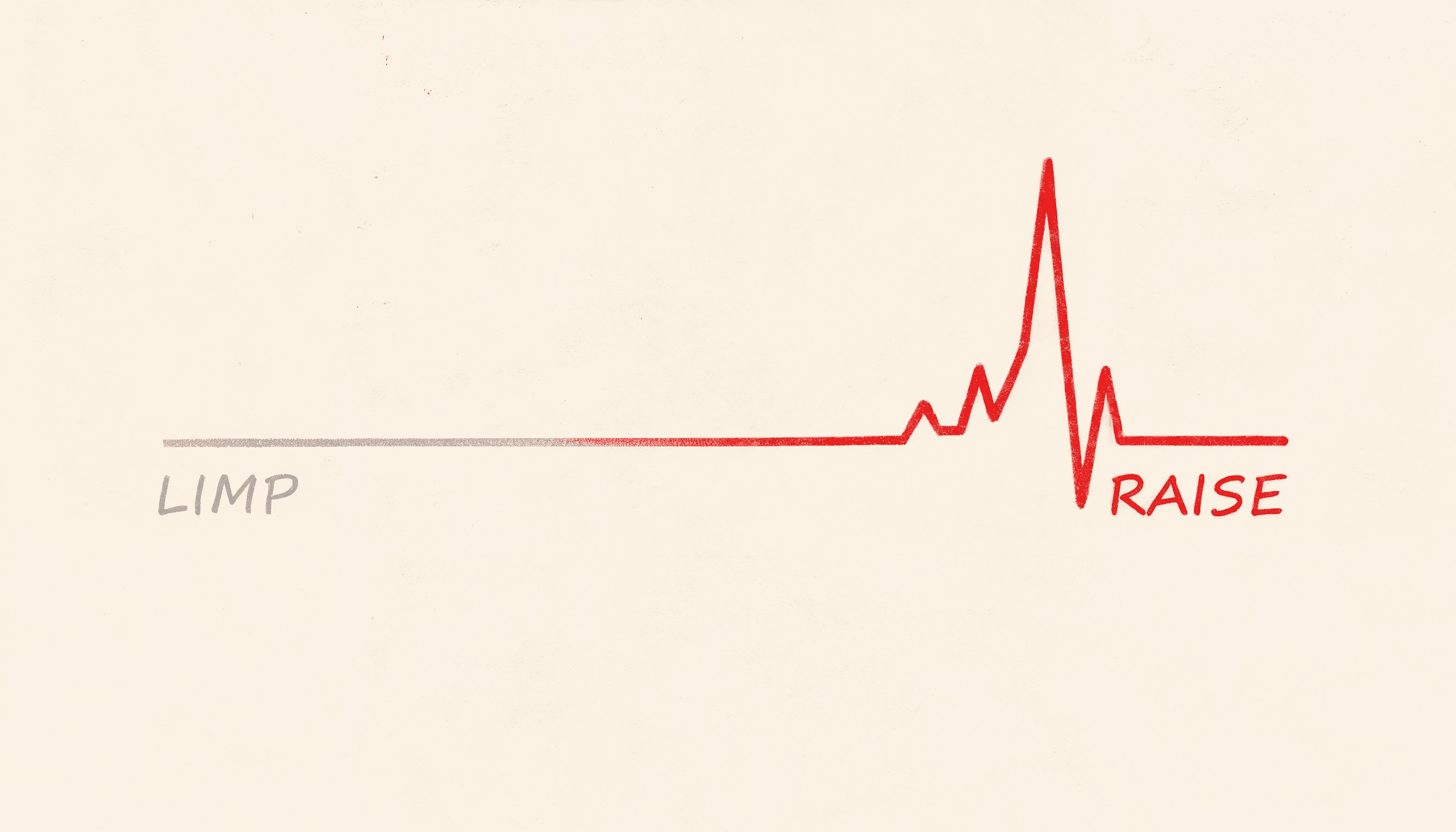
The same hand in poker can be played dozens of ways. Not all options are equally good. However, it's useful to study bad decisions too. The better a player exploits an opponent's mistakes, the more they earn. Let's discuss limping in poker.
What is a limp
A limp is calling the big blind bet to see the flop. "Limp" in English means "soft" or "sluggish."
A passive playing style in poker doesn't bring in money
In most cases, a limp indicates a player has a weak starting hand. At the same time, the action exposes the opponent as a recreational player. The main problem with limping in poker is that you can't take the pot preflop by calling someone else's bet. If a player enters the hand with a raise, opponents will sometimes give up the pot without resistance. A limp won't win the mandatory small and big blind bets. The player on the BB will always stay in the hand, and play will move to postflop. Another downside of entering the hand passively is aggression from opponents. Many professionals attack passive lines with a wide range.
Let's break down this play with an example. At a 6-max table, Justin is in UTG and Isaac is on the BTN. Preflop, Justin is dealt suited K8, and Isaac gets offsuit Q10. The player in UTG didn't want to fold his hand, but didn't raise either. So he invested 1 big blind into the pot to see the community cards. Isaac reacted to this passive action with a raise to 4 BB. As a result, Justin chooses between:
folding and losing 1 BB;
calling and potentially losing another 3 BB.
Through aggression, Isaac will often take the money preflop. And if Justin goes to postflop, he'll almost always face a continuation bet. In 60% of cases he'll have neither a pair nor a flush draw. And a pair of eights without position or initiative only threatens to increase his losses. Folding is often more profitable than playing a dubious hand without a plan.
Limping is considered a bad decision in both cash games and tournament poker. In Spin & Go, calling the BB is viewed slightly more favorably. In a fast three-handed tournament, the play diversifies your strategy and lets you play postflop.
How to play against limpers
In most cases, a limp is made with a weak hand to see the flop cheaply. Crafty players sometimes try to trap an aggressive opponent. Let's look at a strategy for each scenario.
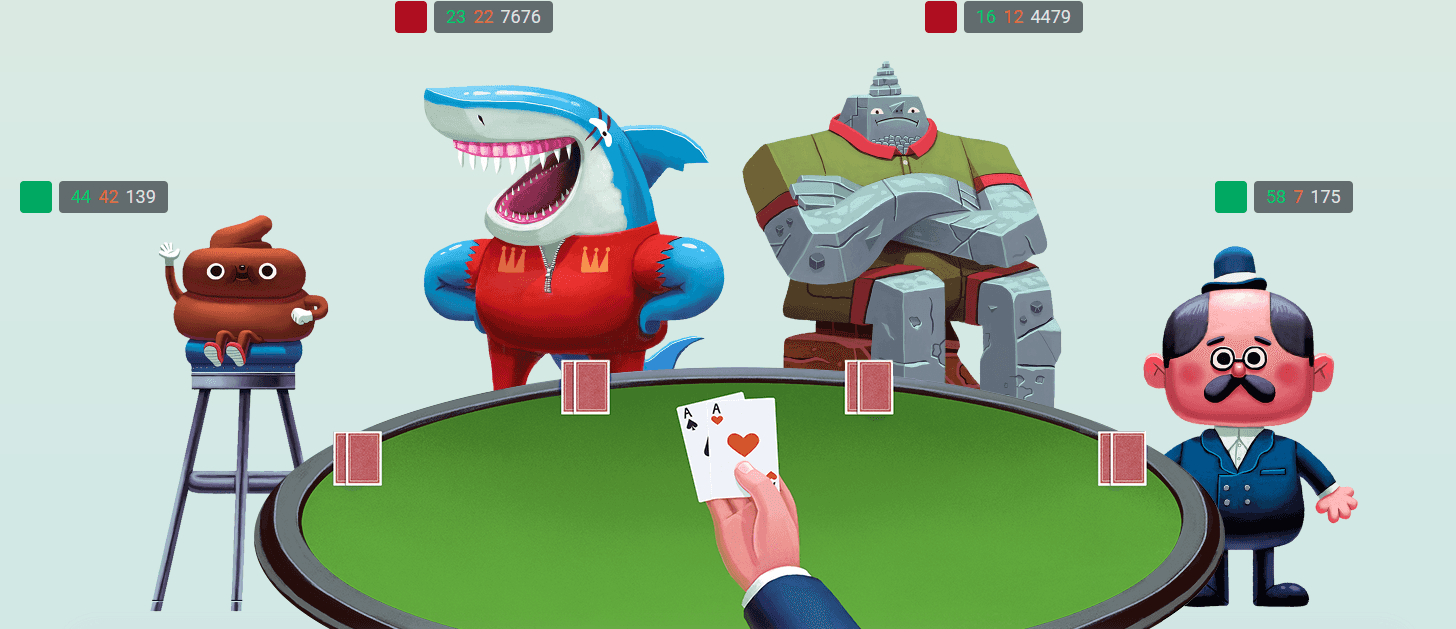
To earn more from passive opponents, use statistical software. It will identify your opponent's tendencies and suggest the best way to play.
A limp from a recreational player. The most effective response to an opponent's passive actions is a raise. In poker, raising against a limper is called an "isolation raise" or "iso." The aggressor's goal is to take the mandatory blind bets and the recreational player's voluntary contribution. If the opponent doesn't give up and responds with a call, the outcome of the hand is often decided by a continuation bet. It's hard for an opponent with a weak hand to withstand consistent aggression on the preflop and flop.
In a confrontation with a passive opponent, statistical software will be of great help. Before a specific action, pay attention to these stats:
Limp/Fold;
Limp/Call;
Limp/Raise;
Fold to C-Bet Flop.
Any poker tracker will provide this kind of statistics: Hand2Note, PokerTracker 4, Holdem Manager 3, DriveHUD 2. Many opponents will often fold to an isolation raise — against them it's profitable to raise with a wide range. Sometimes an opponent is reluctant to fold to an iso but folds to most continuation bets.
The opponent's reaction also depends on the raise size. If a player called the mandatory bet and the aggressor raised to 2 BB, the recreational player will gladly put in another 1 BB. Along the way, the players in the blinds will also peek into the pot. The standard formula for an isolation raise looks like this: "3.5 BB + 1 BB for each limper." Let's break it down with an example from a 6-max table. We're on the CO, and before us the big blind bet was called by UTG and MP. Against two passive opponents we raise 4.5 BB.
To act effectively against limpers, you need separate iso ranges. Some professionals forget about this and raise with any hands. Chasing a couple of easy blinds, they risk losing their stack. Build isolation raise ranges for each position. It's convenient to group hands in: FreeBetRange, Flopzilla, Power-Equilab, and other poker calculators.
A limp from a tricky player. Sometimes in poker you can see the "limp/raise" line. It's often used at low stakes in cash and tournaments. Usually pocket aces or kings are played this way. A player gets a good starting hand and tries to lure opponents into a trap. In an ideal situation, his raise is met with a 4-bet and the hand ends with an all-in preflop. However, instead of an isolation raise, the holder of AA will often see several more limps and end up in a tough spot postflop.
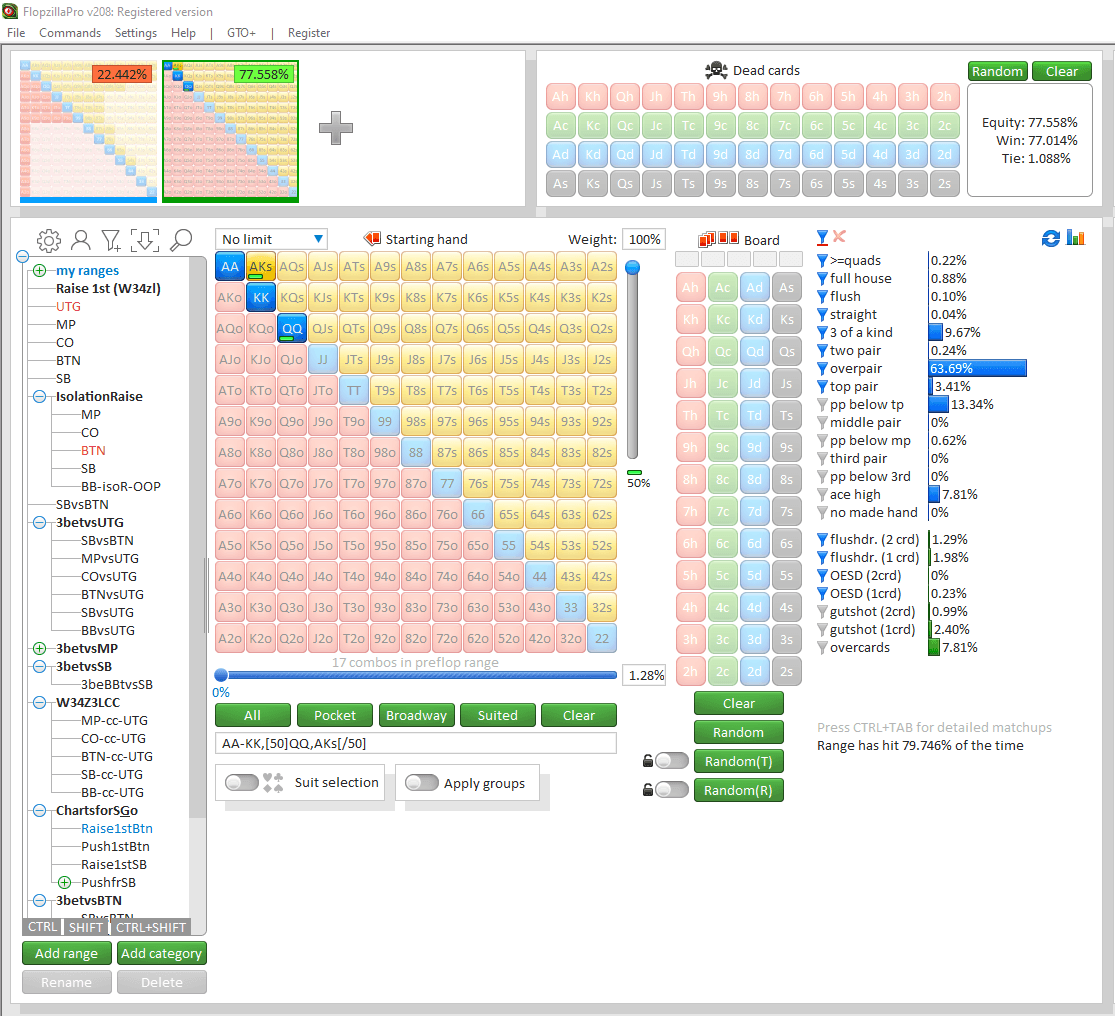
Limp/Raise is easy to read, so good players almost never use it
If we suspect the opponent has a strong hand, we narrow our isolation raise range. We respond to the 3-bet with strong suited hands, hoping to catch a good combination postflop and take the stack. A positional advantage will give us the ability to control the size of the pot. After the hand, write a note on the opponent. This will help avoid losses in the future and help catch him in a mistake.
When you should limp
Passive lines rarely bring success in poker. You can't take the pot by calling the big blind. You can't knock an opponent out of the hand by calling his bet. However, sometimes a nonstandard move works better than playing by the book. If there are many recreational players at the table who like to see community cards cheaply, the play can bring extra chips. Let's look at an example.
A player is on the BTN with pocket 44, and 3 opponents before him have already called the BB. There's not much point in isolating with 44: the hand rarely turns into a strong combination on the flop. It's wiser to enter the pot and cheaply hit a set.
You can consider a passive line with a strong hand in a mystery bounty tournament. In such tournaments you only receive a reward for knocking out opponents starting from a certain stage. Because of the specific structure, a large part of the prize pool in such a tournament is concentrated in these bounties, and there's fierce competition for them. If there are opponents with short stacks at the table, our limp from an early position can provoke them to enter the pot. Playing against a short opponent on the big blind is also a good outcome. If the opponent hits the flop in any way, we'll often see a stack-off.

High variance and game speed affect strategy in Spin & Go
Limps are also used in Spin & Go tournaments. Sometimes calling the big blind is the only way to play postflop with a small stack. The play is also used in "SB vs BB" battles. For the player on the small blind, it's often more profitable to put in 0.5 BB with a dubious hand than to fold it. The strategy requires good postflop play skills.
What signs reveal a recreational player
The limp is a popular play among recreational players. Amateurs love to see flops for a small fee. However, you can quickly identify a weak opponent by other signs as well. Here are the main ones:
High activity in the first 10-15 hands. Professionals act cautiously at the start of a tournament. Recreational players are less demanding about hand strength, so they regularly fight for the pot with medium and weak holdings.
Frequent showdowns with any kind of match. Recreational players rarely show restraint and wait for a good starting hand. More often they enter to see the flop with weak aces and connectors. Some go all the way with third pair. A strong poker player won't stake the fate of the tournament on a mediocre hand.
Frequent calls. Some opponents are ready to see the community cards with almost any hands. The odds of hitting the flop don't concern them.
Re-entries or rebuys. If a player has given up his stack three times in 20 hands and re-entered the tournament, you can't count him among the strong opponents. Good poker players preserve their chips in competitions of any format.
SharkScope will also help spot a recreational player. A declining graph and solid losses over the long run are a sure sign of a recreational player.
FAQ
What is a limp in poker?
A limp is a way to enter a hand without raising. The player calls the BB bet to see the table's community cards.
What is an isolation raise?
An isolation raise or iso is aggression against a passive opponent with the aim of taking the pot immediately or being left one-on-one with the opponent.
How to respond to a limp/raise?
Almost always, this sequence of actions from an early position indicates a strong pocket pair. We recommend folding.
In which program should you save an isolation raise range?
It's convenient to work with ranges in FreeBetRange, Flopzilla, Power-Equilab.
Read next
What are exploits in poker and why use them?

EV and ROI in Poker: A Complete Guide to Calculating Your Profitability

How to Study Poker Effectively: A Step-by-Step Player Development System