New WSOP Rules — How Will They Affect the Game? Breaking It Down with FunFarm Founder Fyodor Truntsev
We analyze the WSOP innovations: the crackdown on time-wasting and collusion, the strict regulation of advertising, and the dealer rating system.
In late April, the World Series of Poker announced a number of changes ahead of the upcoming series. In particular, players will be able to rate the dealers' work in the WSOP+ app. This system will apparently be similar to the one we've grown used to in ride-hailing apps. The idea is that it should improve dealer training and help with their education, though it's not yet clear exactly how the ratings will affect staff.
In addition, the WSOP made some changes to its rules that will affect registration, players' use of time at the table, and third-party payouts for series results. We asked FunFarm founder Fyodor Truntsev to assess how much these new rules will affect tournament participants. Spoiler — there's no need to worry about it. At least, not for now.
Automatic blind deductions after registration
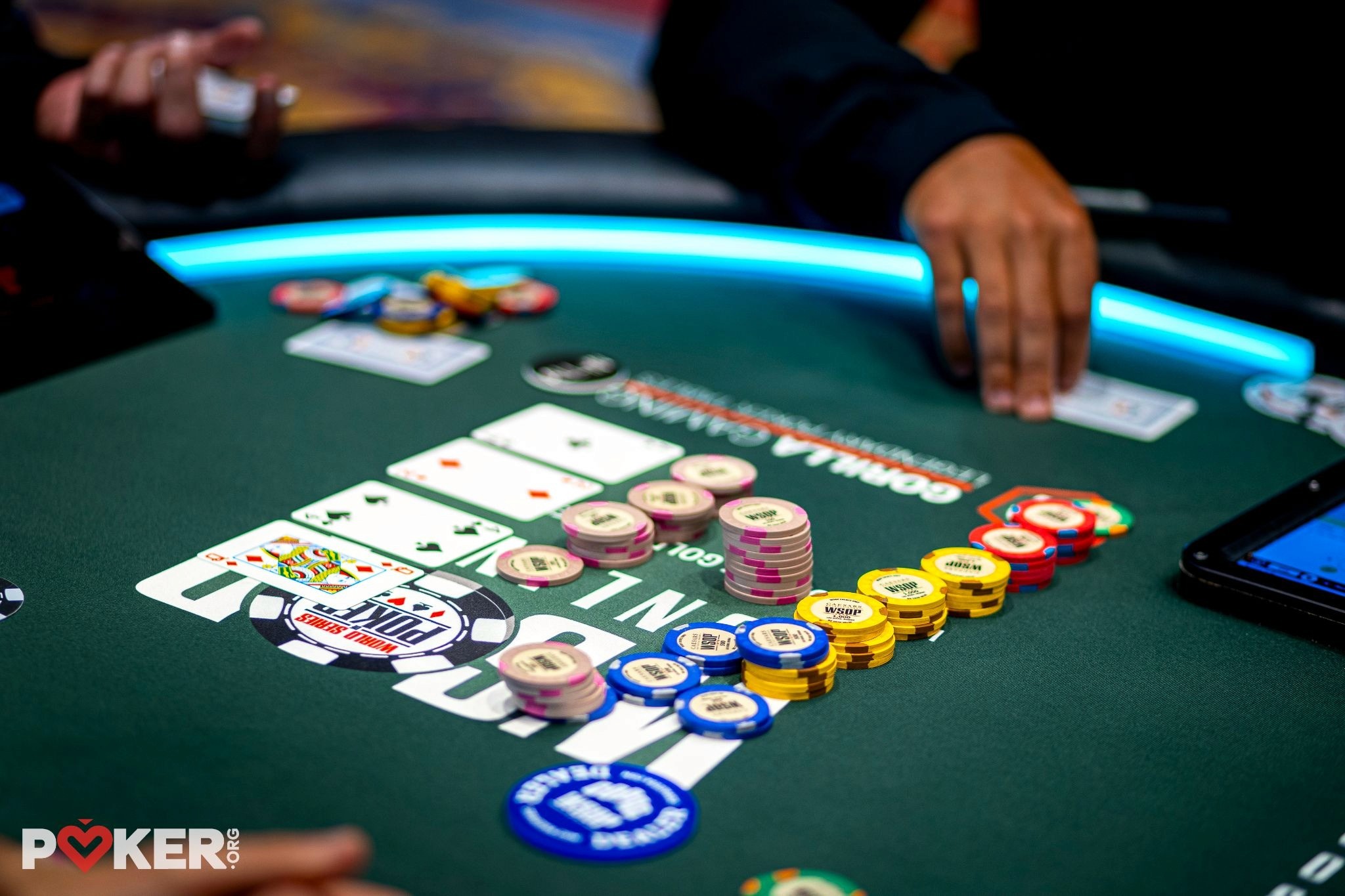
Let's take it in order and first look at the change that will prevent players from delaying the receipt of their chips and taking their seat at the table. Rule 35 states: "Participants who register before a tournament begins will receive their stack, which is automatically put into play and starts losing chips to the blinds." Once their stack is in play, players will not be able to get their money back. The only exception may be special circumstances that players report to the WSOP management. Each such case will be reviewed on an individual basis.
Fyodor Truntsev:
There's a nuance here. Registration happens in two stages because it goes through the WSOP+ app. You need to grab a ticket and then press sit in, and your stack will be placed on the table after you press that button. Then the player is shown on screen where their seat is. Refunds are, as is tradition, practically guaranteed once per series. If there's an urgent need, they'll always give the money back. Will antes be deducted while players are looking for their table? Sort of, but only if a player registers before the start. But honestly, even this is written unclearly, and they don't explain the rule very clearly either. So we have to wait for the series to start and see what they'll actually do.
Penalties for collusion to obtain bonuses

The WSOP is now threatening players with serious sanctions for attempts to dishonestly obtain payouts from third-party organizations for their tournament results. This may also affect bets on bracelet winners and last-longers. This is how the series reacted to the scandal involving Jesse Yaginuma and James Carroll that took place in June 2025. Back then, Yaginuma won the $1,500 Millionaire Maker at the WSOP, beating Carroll heads-up after starting with a nine-to-one chip deficit.
Before the tournament, ClubWPT Gold launched a promotion under which it pledged to pay $1 million to the WSOP winner who qualified for the event through their satellite. Yaginuma qualified in exactly that way, so he took home the seven-figure bonus from the platform on top of the main prize of $1.2 million. The runner-up, meanwhile, earned $1 million for his result. During the heads-up there were few showdowns, and Carroll often folded. After the tournament, Yaginuma and his opponent were accused of chip dumping and collusion.
Now, according to Rule 40, third-party payouts for players' results may be deemed to contradict WSOP regulations and the interests of the tournament. If a player is found guilty of violating the integrity of the competition, they may be stripped of their chips and prize money, disqualified from an individual event or the entire tournament, and even barred from participating in future WSOP events.
It's not yet known how the WSOP will monitor and determine violations in such situations, but the harsh penalties may potentially deter players from taking part in various third-party promotions.
Fyodor Truntsev:
The rules prohibit receiving money from third parties, and no one understands how this will be interpreted, but most likely it'll be the standard way — not at all. That is, unless there's some obvious case, like last time with the tricks in the heads-up, no one will be punished. For example, deals are prohibited, but in practice you can make them at your own risk.
Fighting time-wasting
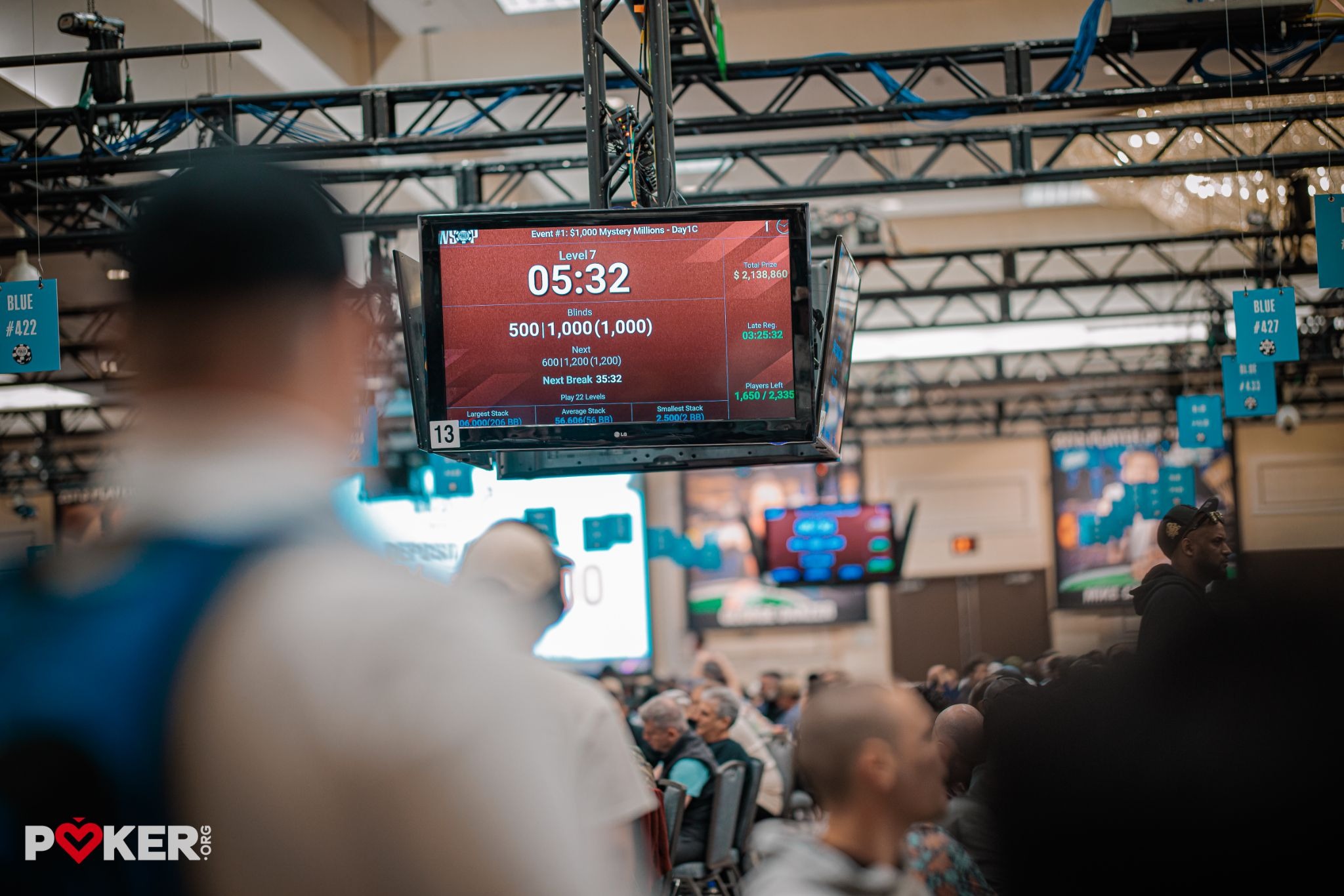
With another new rule, the WSOP plans to speed up the pace of play near pay jumps. Players often deliberately drag out their decisions to buy some time and move up the payout ladder. Rule 80 now states that floor staff can grant a player up to an additional 25 seconds after a "reasonable amount of time to make a decision" has expired. If a participant has not made their move after the countdown ends, they forfeit their right to participate in the hand. Players who deliberately stall will be treated more strictly — they'll be put on a clock for all subsequent decisions. Such actions may also lead to various penalties up to and including disqualification.
Fyodor Truntsev:
By and large, even before, the floor could reset the timer and stand behind you. Now it's written into the rules, but what exactly will change is still unclear. Even eight years ago I was stalling on the bubble, and the floor at its own discretion would cut down my minute to make a decision to any amount of time, all the way down to zero.
Strict regulation of advertising
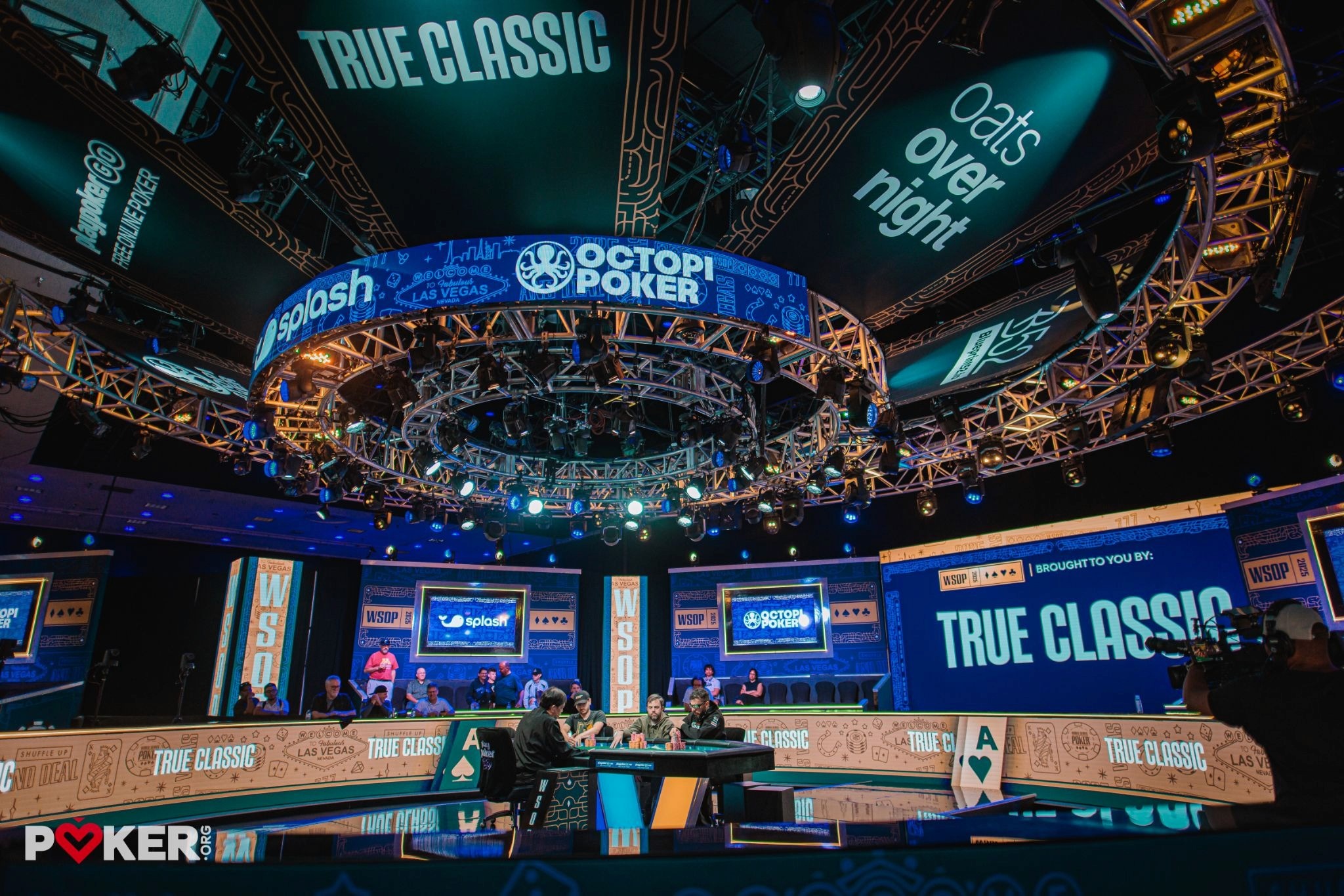
Players will also face strict rules governing any sponsor logos on clothing while playing at a table that will be televised. The WSOP has required players to obtain approval to display advertising at least 24 hours before filming. The series reserves the right to deny players this approval. If a player sits down at a TV table with unapproved advertising, they may be immediately disqualified and stripped of all prize payouts. However, there's a serious contradiction here — participants usually don't know in advance that they'll be playing at a TV table.
Fyodor Truntsev:
You don't know your table is being televised until you get there. With this rule the organizers are saying: "Get approval in advance for the whole series." But most likely they'll resolve the issue quickly on the spot somehow. And they'll use this rule to selectively weed out some WPT Global or the like.
As we can see, most of these rules don't yet have clear boundaries, and the question of how they'll be applied remains open. The series itself will provide the answer. We don't have long to wait for it — the 2026 World Series of Poker kicks off on May 26.
Read next

The Return of the King: Isildur1 ran up a deposit on Phenom Poker to $3.77 million in a month

7 times poker karma punished arrogance
Biggest Wins in WSOP History