Poker Discipline: How to Stop Losing and Walk Away in Profit
Tired of losing to tilt and mistakes? Poker discipline is your key to success. Discover how routine, bankroll management, and psychology will help you play a steady winning game.

Discipline is the key to success in any endeavor. Thousands of hours of training on the pitch and in the gym made Cristiano Ronaldo one of the best footballers in history. The "10 pages a day" rule earned Stephen King the title of the most prolific writer of our time, with print runs totaling 350 million books. A professional poker player can't do without self-control either. Let's discuss poker discipline.
How discipline helps you win at poker
Players attach different meanings to the concept of "poker discipline."

To succeed at poker, you need to constantly work on yourself
The narrowest meaning implies a division into: tournaments, cash games, spin-n-go, and sit-n-go. Each option offers its own conditions for participation and for determining the winner. A broader approach includes strictly following rules during a session. This refers to playing within your bankroll or taking notes on opponents. Sometimes "poker discipline" also covers the preparatory actions before play. Let's take a closer look at these last two options.
In this article, we'll focus on the right approach to the work and on organization. There won't be any strategy tips in the vein of "don't enter a hand with a limp" or "don't slowplay aces preflop." Look for those in other FunFarm articles.
Away from the tables
Stu Ungar is considered the most talented poker player in history. He won the WSOP Main Event three times. His colossal achievements didn't help him: Ungar ended his life ingloriously, in poverty. His example underscores the importance of poker discipline beyond the tables. To win consistently, you need to work on yourself. We'll assign a key role to a strict schedule.
Establish a firm daily routine. A sensible schedule will provide the foundation for future success. Sleep 8-9 hours a day, wake up at the same time, and set aside fixed slots for hand analysis and other forms of training. Regular exercise will bring great benefits. Swimming, yoga, or dancing will take your mind off poker and improve your overall tone. You'll be able to play longer, make better decisions, and experience fewer negative emotions.
If your daily routine is currently far from ideal, introduce changes gradually. You can't go from chaos to a strict schedule with a snap of your fingers. Start with less radical solutions. For example, set aside 1 hour a day for studying theory. Devote half the time to hand analysis and half to watching training courses. Once working on strategy becomes an integral part of your schedule, move on to other aspects. Don't take on everything at once, or you'll quickly get tired and revert to your usual state.

It's harder for a tournament player to build a clear schedule: you can't predict in advance when a session will end
Eliminate bad habits. Alcohol, cigarettes, and fatty food reduce a player's mental potential. A hangover is a poor backdrop for success in life and poker. Giving up bad habits will free up additional resources. The money can be spent on poker software or sessions with a coach.
Work on psychological balance. Many beginning players ignore the mental aspects of poker. As a result, they reinforce harmful psychological habits and lose money. Solving the problem at an early stage is easier than battling severe consequences. We recommend starting with the works of Jared Tendler. He has released 2 books: "The Mental Game of Poker" and "The Mental Game of Poker 2." In the first part, the author introduces the reader to the types of tilt and gives instructions on how to fight them. The second book teaches a player to consistently perform at the maximum level.
FunFarm students get help working through psychological problems from the mental care department. The project's psychologists run group sessions, develop courses, and regularly check players' state with tests and check-ups. There are also individual sessions with a mental coach. The school's psychologists understand poker, so they speak the same language as the students.
At the tables
In professional football, players go through a weekly preparation cycle before a match. Footballers sum up the result of seven days of recovery procedures, tactical sessions, and daily training in a single contest. Poker players aren't limited to a weekly cycle. You can put your work into practice every day. A clear schedule, a healthy lifestyle, and psychological balance are excellent starting conditions before play. However, it's important to perform at your maximum during the session. To realize your advantage over your opponents, follow a few rules.
Don't scatter your attention. Corporate culture highly values multitasking. The idea of doing several things at once looks appealing. Multitasking is good for simple situations. In poker, however, you often need to make complex decisions. The fate of a tournament depends on concentration. Give up: watching movies, socializing on social media, reading the news, and other distractions. Focus on the game.

Maintaining concentration is made easier by poker software. The program frees the player from choosing a bet size, blocks pop-up windows, and removes other routine tasks
Learn as you go. The transition to a professional track brings challenges. Many players lose interest in the process — results come to the forefront. It's wiser to view poker as a training ground. Choose a specific topic to work on and hone the skill during play. A simple example is preflop charts. Set a goal of following the ranges throughout the entire session. If you managed without mistakes, the day can be considered a success. You reinforced theory with practice.
Study your opponents. To win at live poker, you need to observe your opponents. Online, you can't assess gestures, facial expressions, or tone of voice. But you can record an opponent's strange decisions. In the future, notes will let you choose the best line of play. Use specialized software too. A poker tracker will collect and summarize information about your opponents. SharkScope will give you useful data about an opponent's tournament results.
Play within your bankroll. A good poker player knows how to manage capital. Otherwise, bankruptcy is unavoidable. Poker history knows hundreds of examples of talented professionals being left without money due to poor management. If you play tournaments, take a conservative approach. To feel comfortable, build up 100 buy-ins of your working stake. For example, play $10 tournaments once you've gathered $1,000. In poker discipline, where you can lose for months on end, caution won't hurt.
In recent years, poker rooms have popularized the Re-entry format. These tournaments give players a second chance. To return after busting out, you have to pay another buy-in. For example, a player lost their stack in a $5 tournament but bought a second life for the same $5. We don't recommend investing money in tournaments with a fast structure. You shouldn't spend more than one buy-in on them.
Late registration is another source of problems. Poker rooms offer the opportunity to "jump into" a tournament 2-3 hours after the start. Trading a full buy-in for a short stack and the prospect of busting soon is a bad deal. FunFarm coaches studied a huge volume of data and produced recommendations for late registration. You can enter an ongoing tournament with knockouts during the first blind levels, when your starting stack will be at least 70 BB. In tournaments of other formats, you need at least 40 BB.
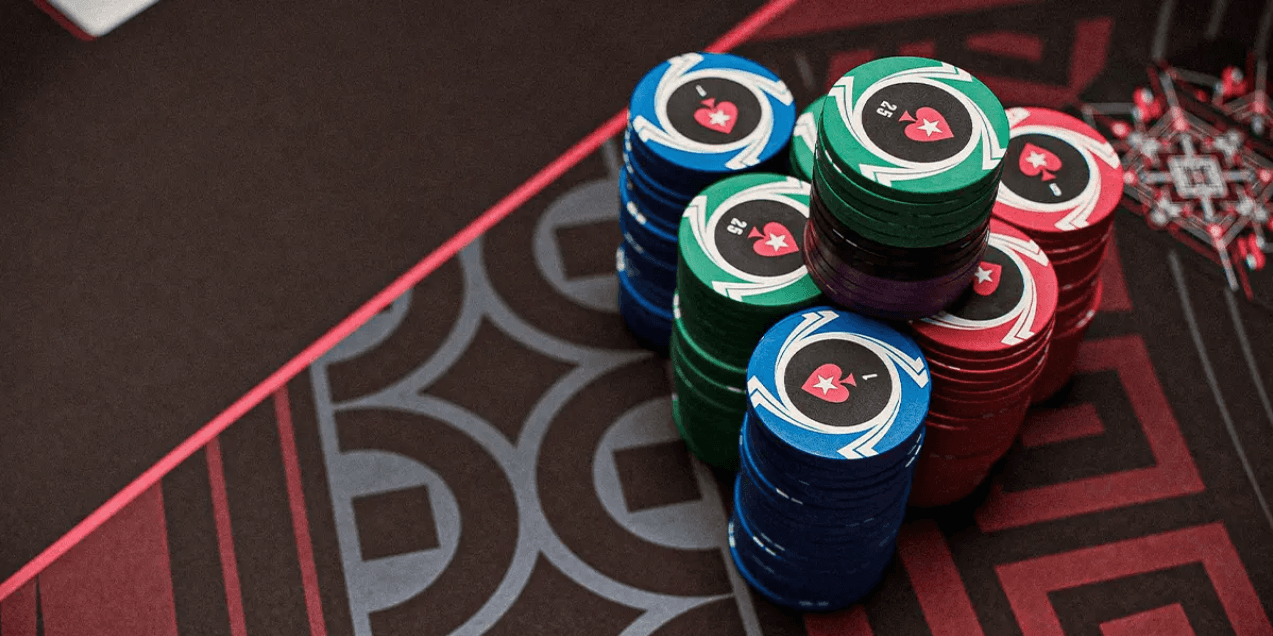
Bankroll management is affected by a player's skill level. A strong professional can use a less conservative approach
Play several tables at once. Winning a specific tournament depends on luck. Success over the long run is determined by skill. Sometimes the reward catches up to a poker player after several hundred tournaments. If you play a single table, a losing streak will stretch out over a year. That's why it's important to increase your volume of play. Professionals play hundreds of tournaments every month. In the pursuit of quantity, you need to maintain high quality of play. Increase the number of tables gradually. An added bonus — this approach reduces the chances of doing something stupid out of boredom.
Keep an eye on poker room promotions. It's hard for a tournament player to earn from rakeback or a first deposit bonus. Promotions are better suited to cash game regulars. Sometimes poker rooms offer additional rewards to tournament players too. In most cases, these are leaderboards. For example, in August 2025, PokerStars ran a rake race in honor of WCOOP and gave away $100,000. There are also platforms with regular leaderboards. Pokerdom gives away $21,000 every month. Promotions won't bring in big money, but they will help you weather a difficult period.
FAQ
How can I improve concentration during play?
Eliminate distractions: stop surfing the internet, feed the cat in advance, set your phone to silent mode. More global solutions will also help: a stable daily routine, a healthy lifestyle, and systematic work on your game.
How can I reduce the number of mistakes at the table?
Before the session starts, choose a specific component of strategy and focus on it. Heightened attention will make you think more about your other decisions too. Observing opponents and taking notes will protect you from mistakes caused by boredom.
How can I worry less about tournament losses?
To calmly endure a losing streak, you need a solid bankroll. We recommend the conservative option with 100 buy-ins. Don't get carried away with re-entries and late registration. In most cases, they lead to losses. Pay attention to poker room promotions. Leaderboards can bring in extra money.
Read next

How to absorb new poker information effectively?

The Fear of Mistakes in Poker: The Dunning-Kruger Effect

How to maintain mental resilience during a long poker session