Boards in Poker: A Complete Guide for Beginners
What is the board in poker and how to "read" it? A complete guide for beginners: we break down board types (drawy, dry, paired), learn to choose a strategy, and avoid common mistakes.
In every poker hand, the board — the community cards on the table — plays a key role. They shape the structure of the game, determine the strength of combinations, and influence strategy. To win over the long run, it's important not only to evaluate your own hand, but also to understand the texture of the board.
In this article, we'll break down the main types of boards and the typical mistakes that beginner players make.
What is the board in poker
The board is the community cards that are dealt onto the table in poker. There are five in total: the three flop cards, one turn card, and one river card.
When players talk about types of boards, they most often mean the flop, because it's the flop that sets the structure of the hand and determines the strategy of play.
The ability to "read the board" is a skill that distinguishes an advanced player from a beginner. The texture of the board is responsible for the distribution of equity. This factor dictates the strategy of the hand.
The player whose range hit the board better is interested in putting more money into the pot.
Players who understand texture know how to manage the dynamics of a hand and don't make costly mistakes in sizings* and line selection.
The texture of the board directly affects how the hand will develop, specifically:
1. Who more often made a strong combination — you or your opponent.
2. How aggressively you can play the hand.
3. Which bet sizings* will be optimal.
4. Whether you should build the pot or it's better to play pot control*.
* Sizing is the size of the bet that a player chooses in a specific poker hand.
* Pot control is a strategy in which a player tries to keep the size of the pot relatively small, even with a strong hand, in order to reduce the risk of large losses and to keep options open on future streets.
Now let's look at what board structures there are and which strategy is optimal for each of them.
Types of boards
Boards in poker can be divided into many categories. Different poker programs use their own classifications — sometimes with a large number of subtypes and qualifications.
Let's look at the main types of boards:
1. Draw boards
On such boards there are many possible draws — flush draws or straight draws. Let's take a closer look at the types:
By suit:
Rainbow board
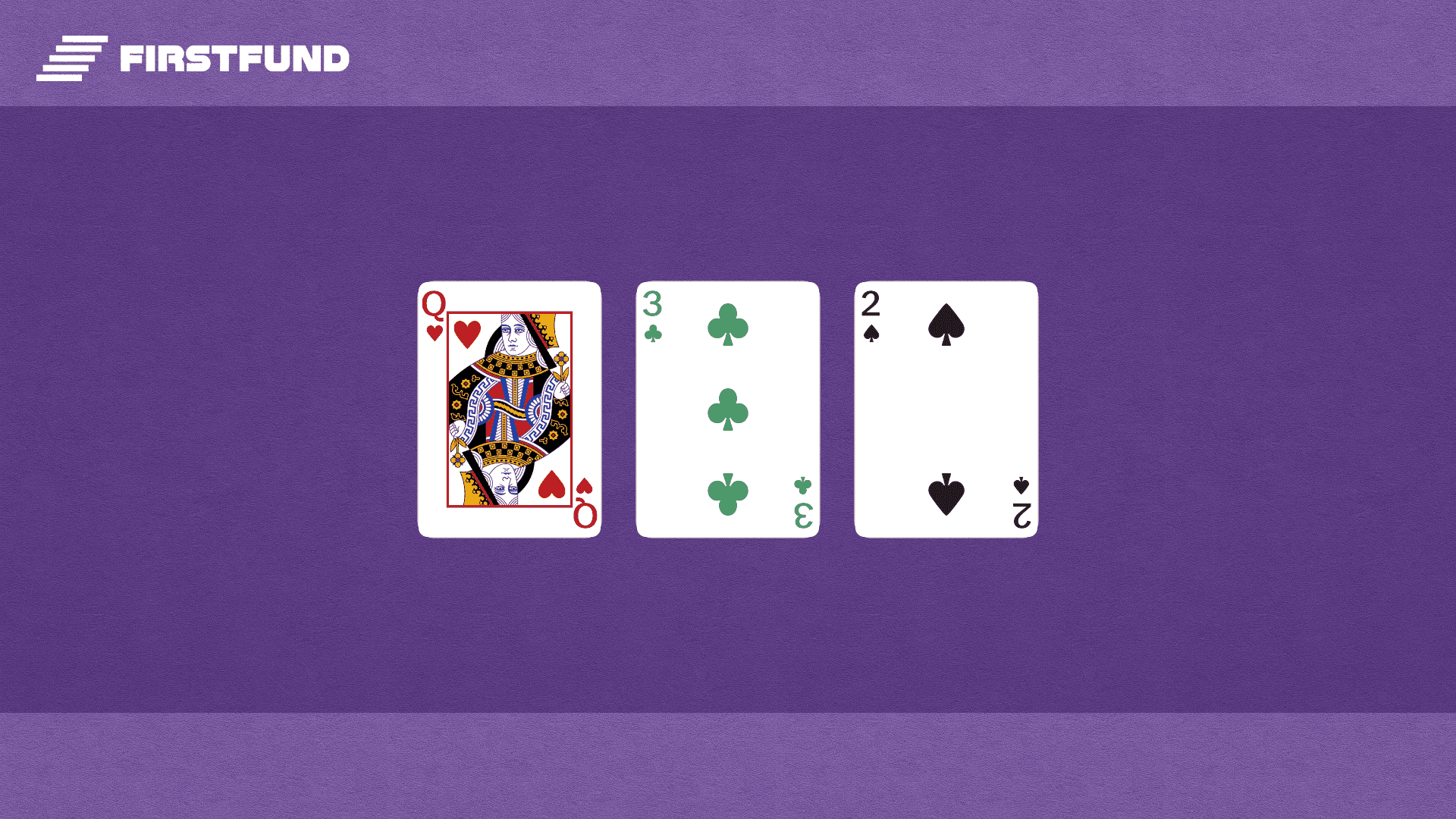
All cards of different suits, no flush draw possible.
Flush draw board (two-tone)
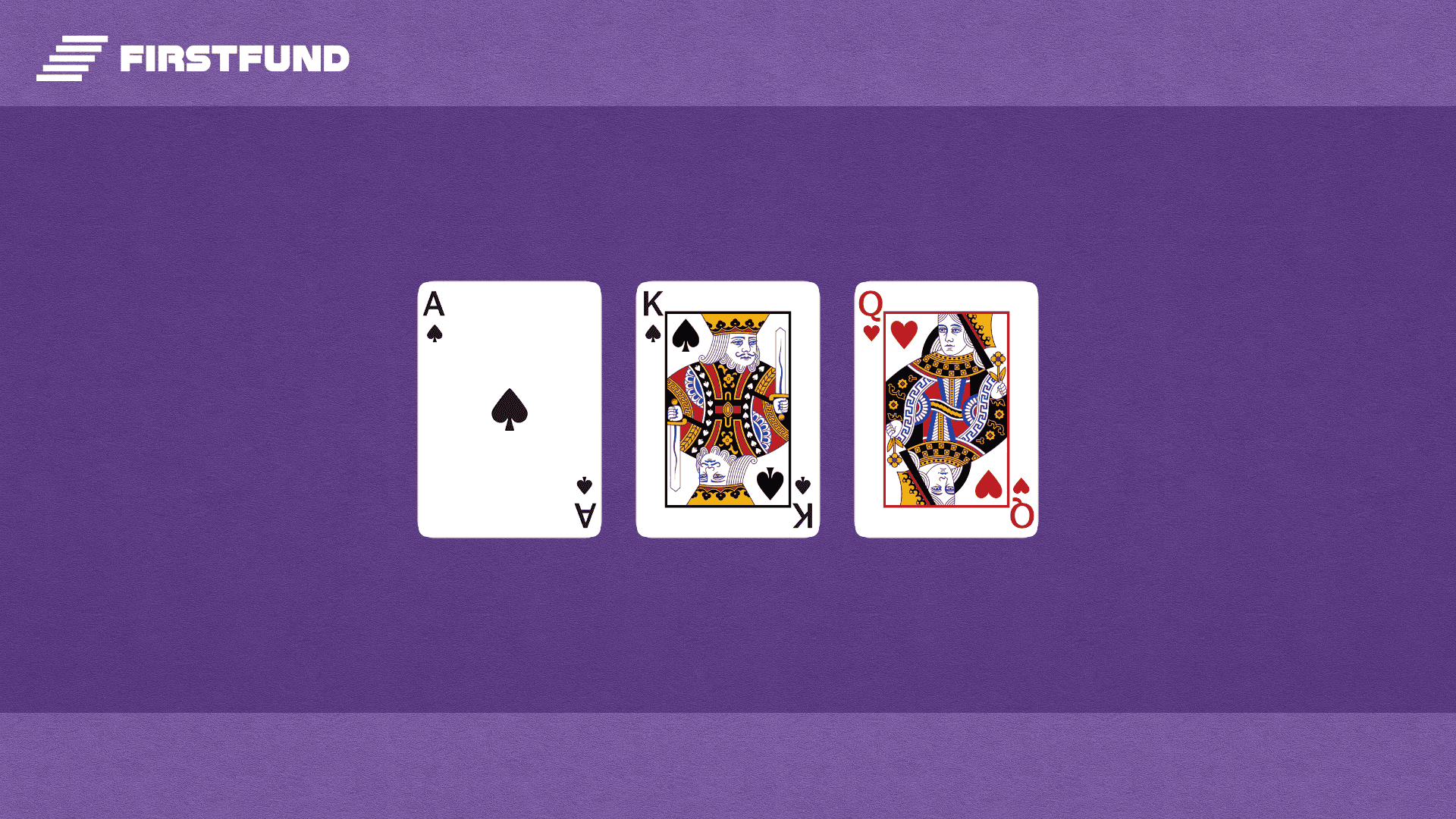
Two cards of one suit + one of another. Flush draws are possible here.
Monotone board
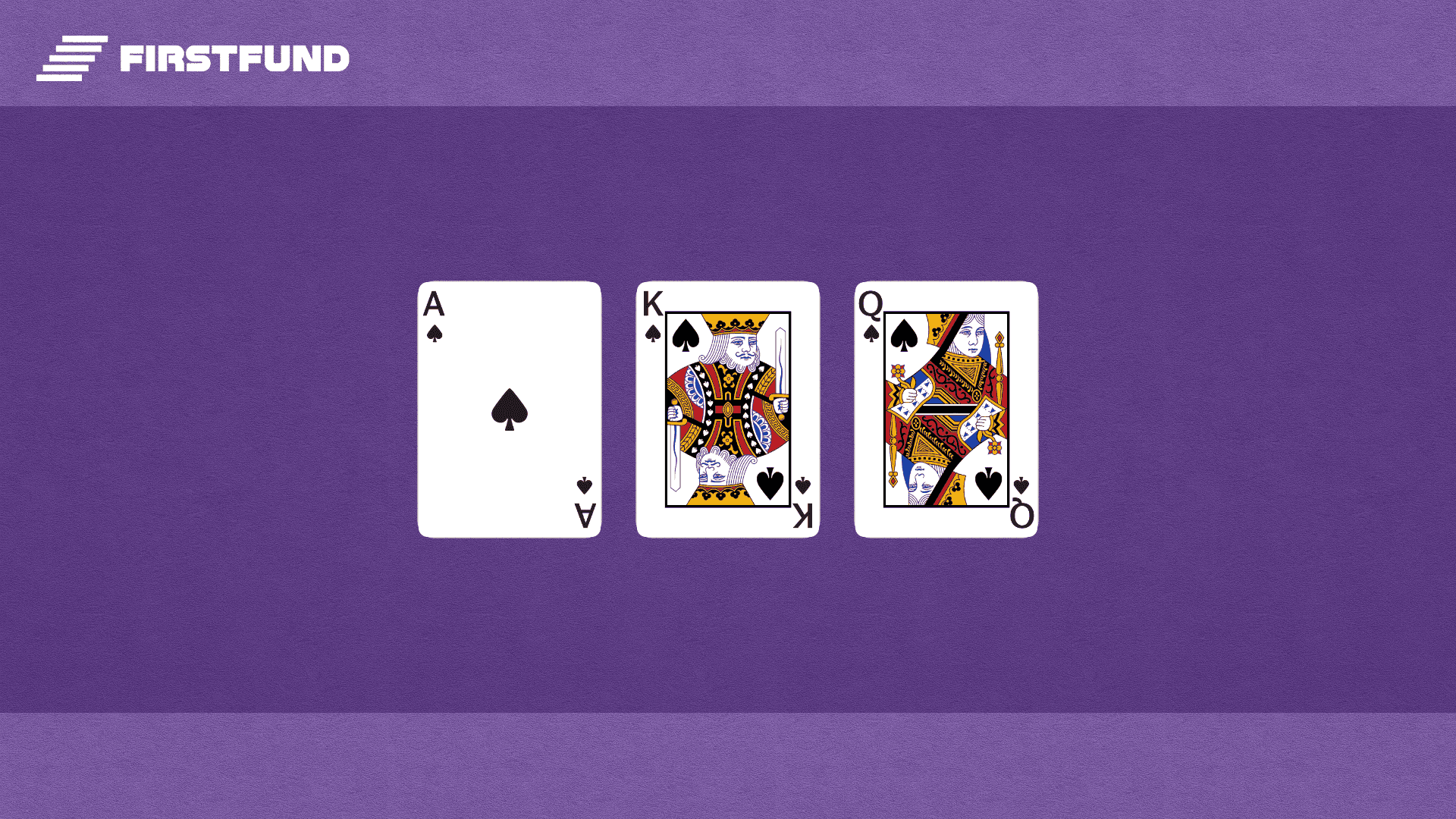
All cards of one suit. A very strong texture, where a flush is already possible on the flop.
By straights:
With a made straight.
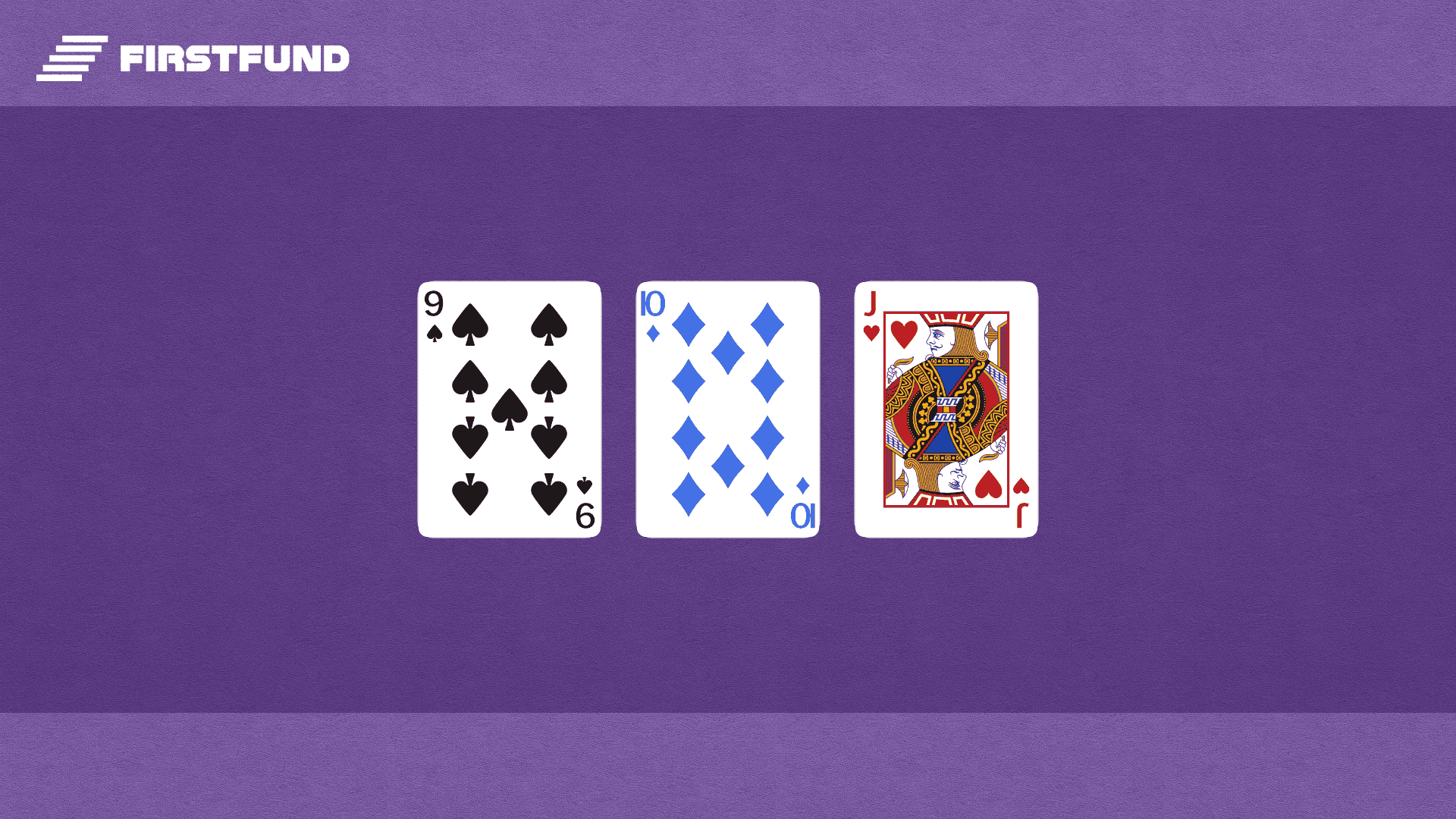
Here a straight is already made (87 or QK Q8).
With many draws
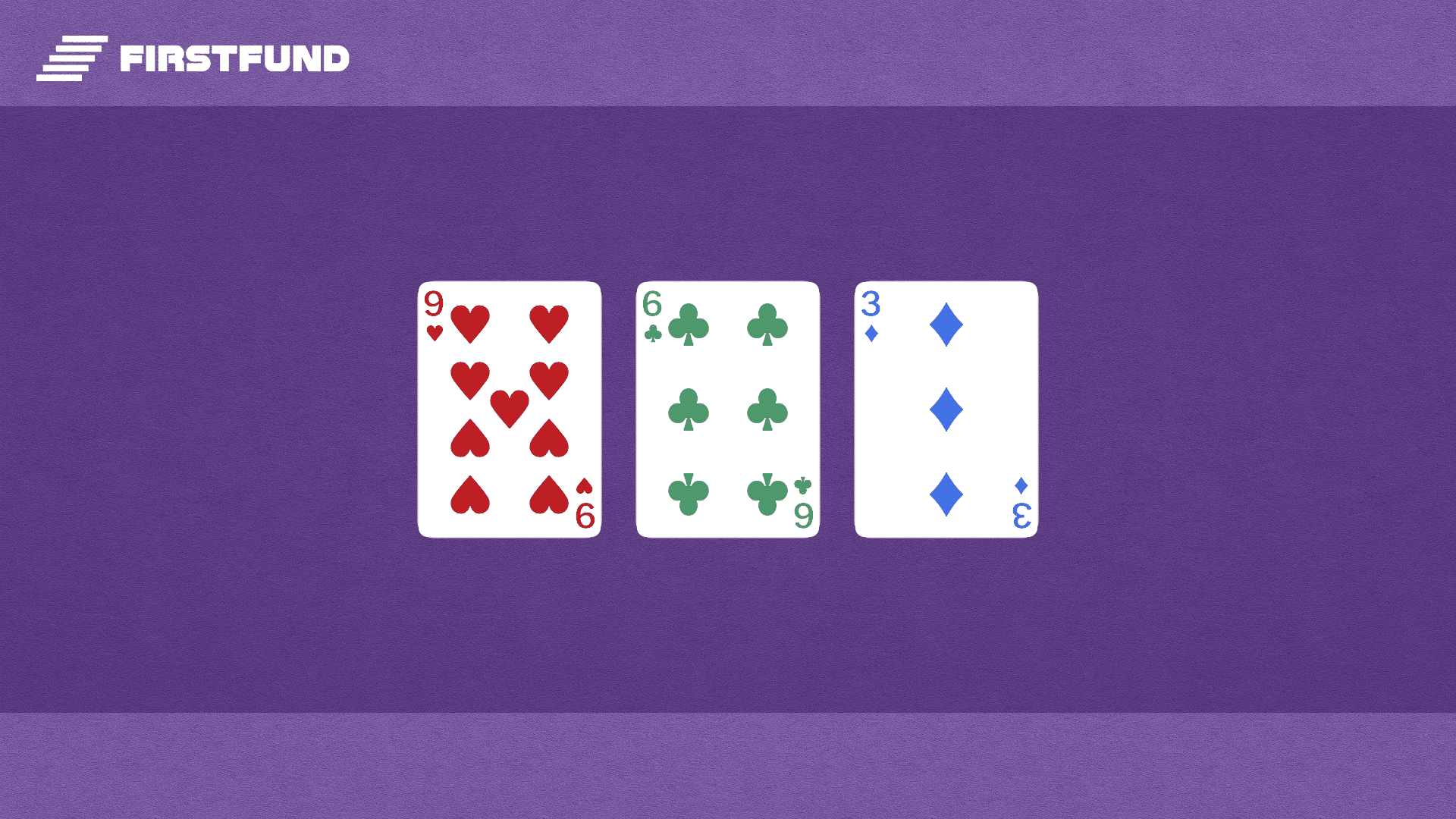
There's no made straight, but there are gutshots and open-ended straight draws (54, 87, T8, etc.)
Important: draws can overlap.
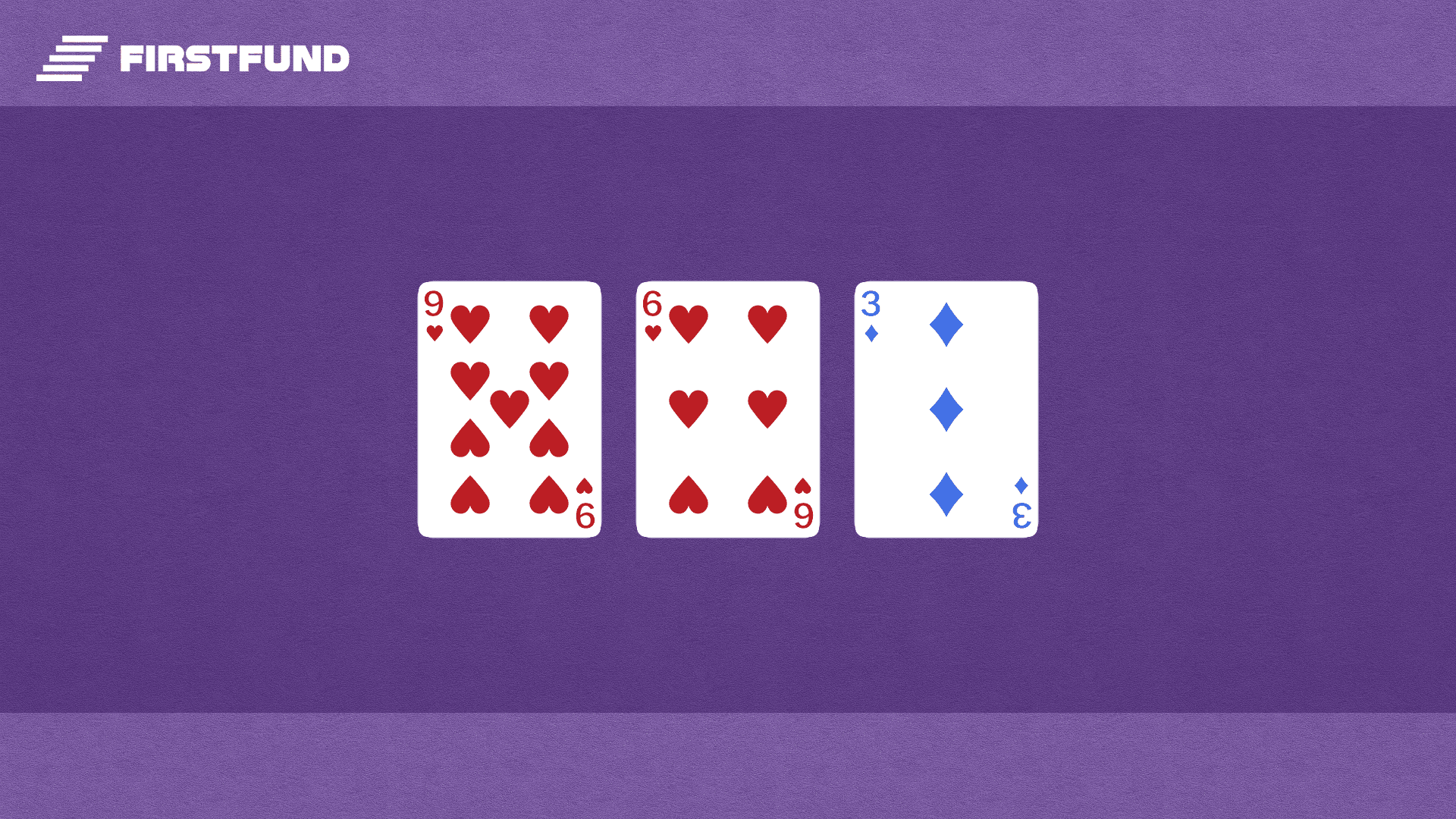
Such a board gives both a straight draw and a flush draw at the same time.
What are the features of playing on draw boards?
The possible nuts* change quickly. Due to the dynamic structure of the board, the advantage can shift to your opponent.
* Nuts — the strongest possible combination on a given board, which cannot be beaten.
2. Dry boards
Dry boards are flops on which there are almost no draws.
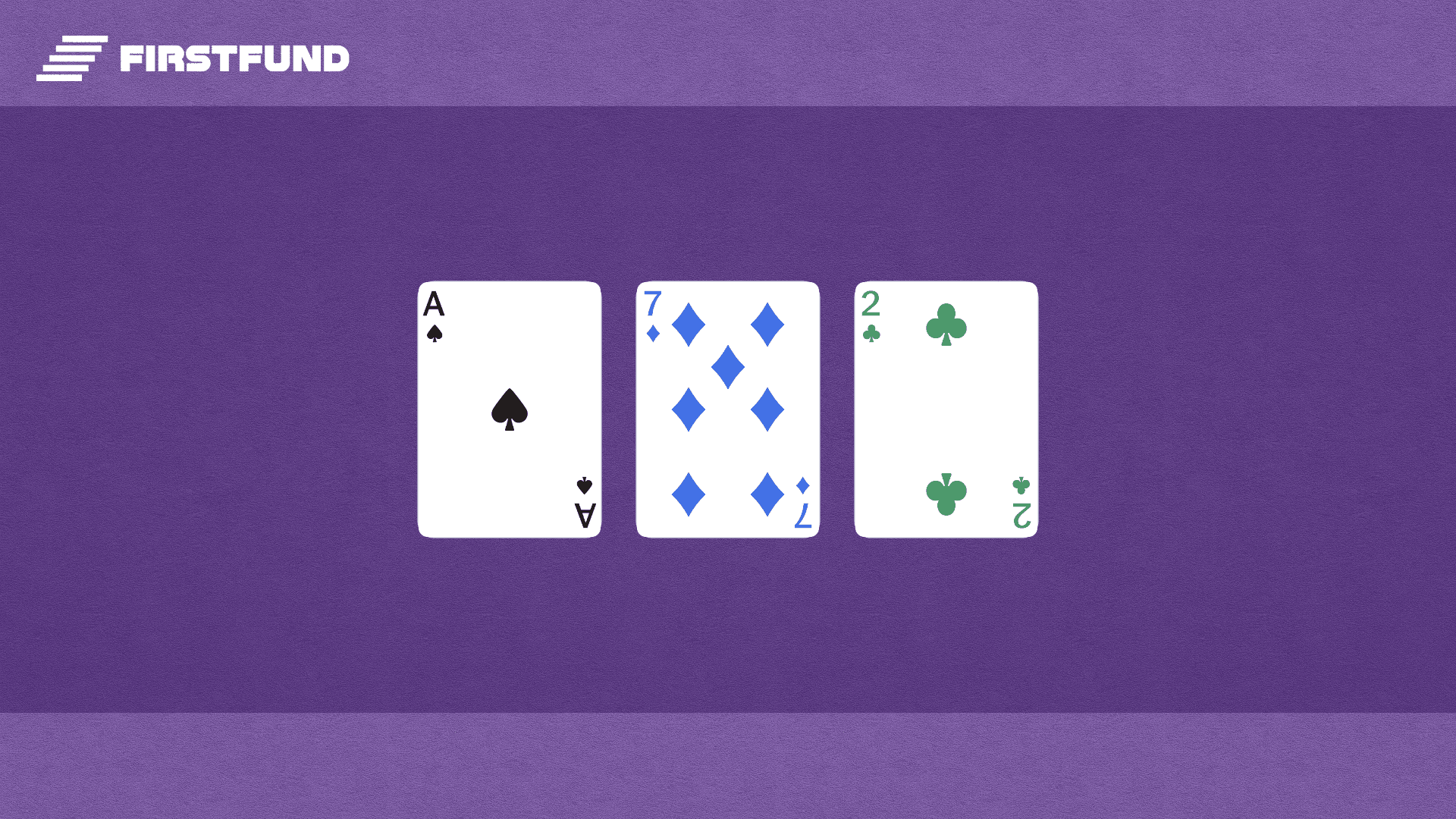
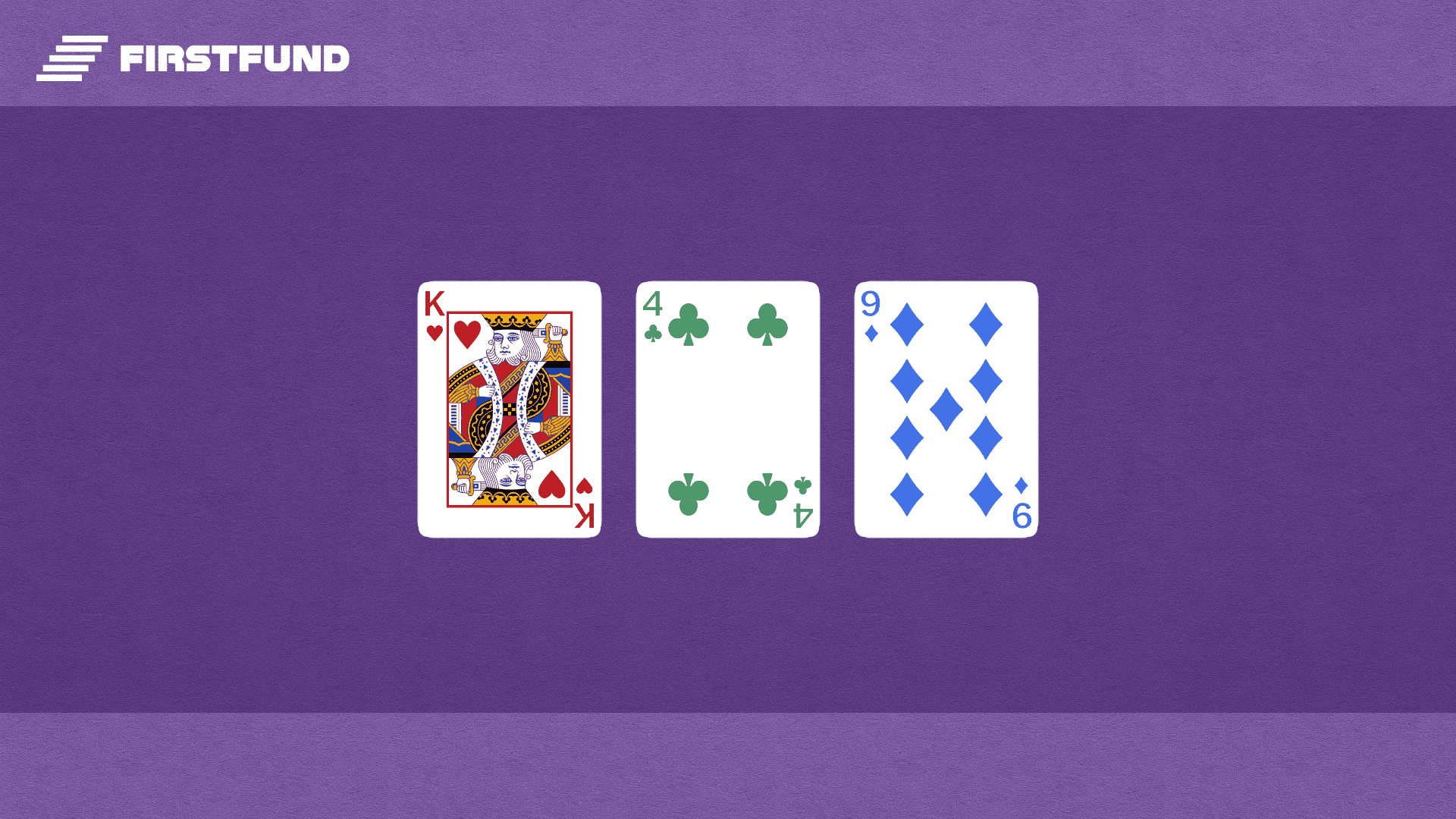
On this board there's only potential for backdoor* straights and flushes or a small number of gutshots.
* Backdoor — a potential combination that can be completed by the river if the necessary cards come on the following streets.
What are the features of playing on dry boards?
Suitable for continuation bets. The opponent hits the board poorly.
The turn and river rarely change the situation. If you had a top pair on the flop, there's a high probability it will keep its strength at showdown*.
* Showdown — revealing the cards after betting to determine the winner of the hand
3. Paired boards
On such boards two cards of the same rank repeat.
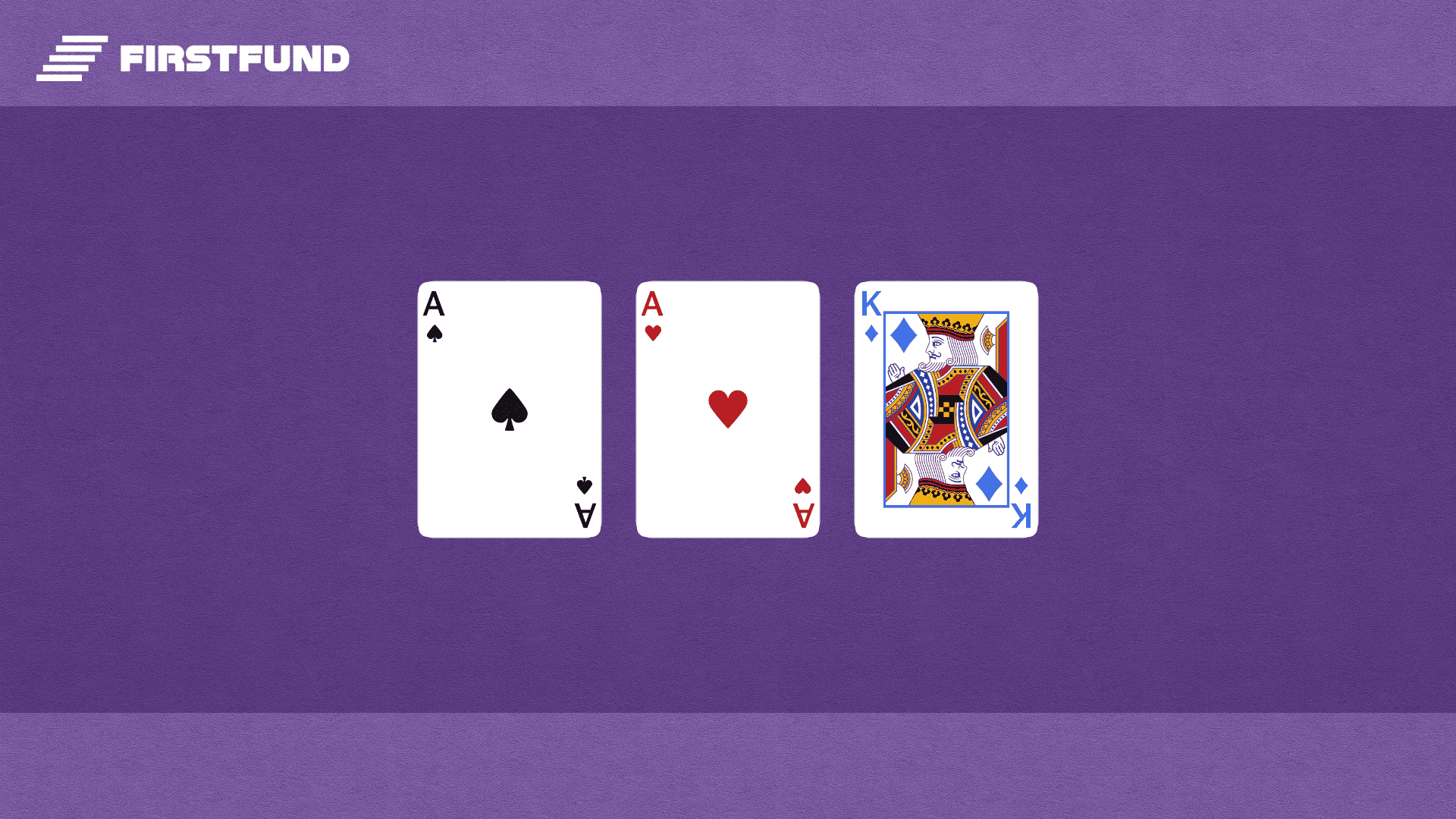
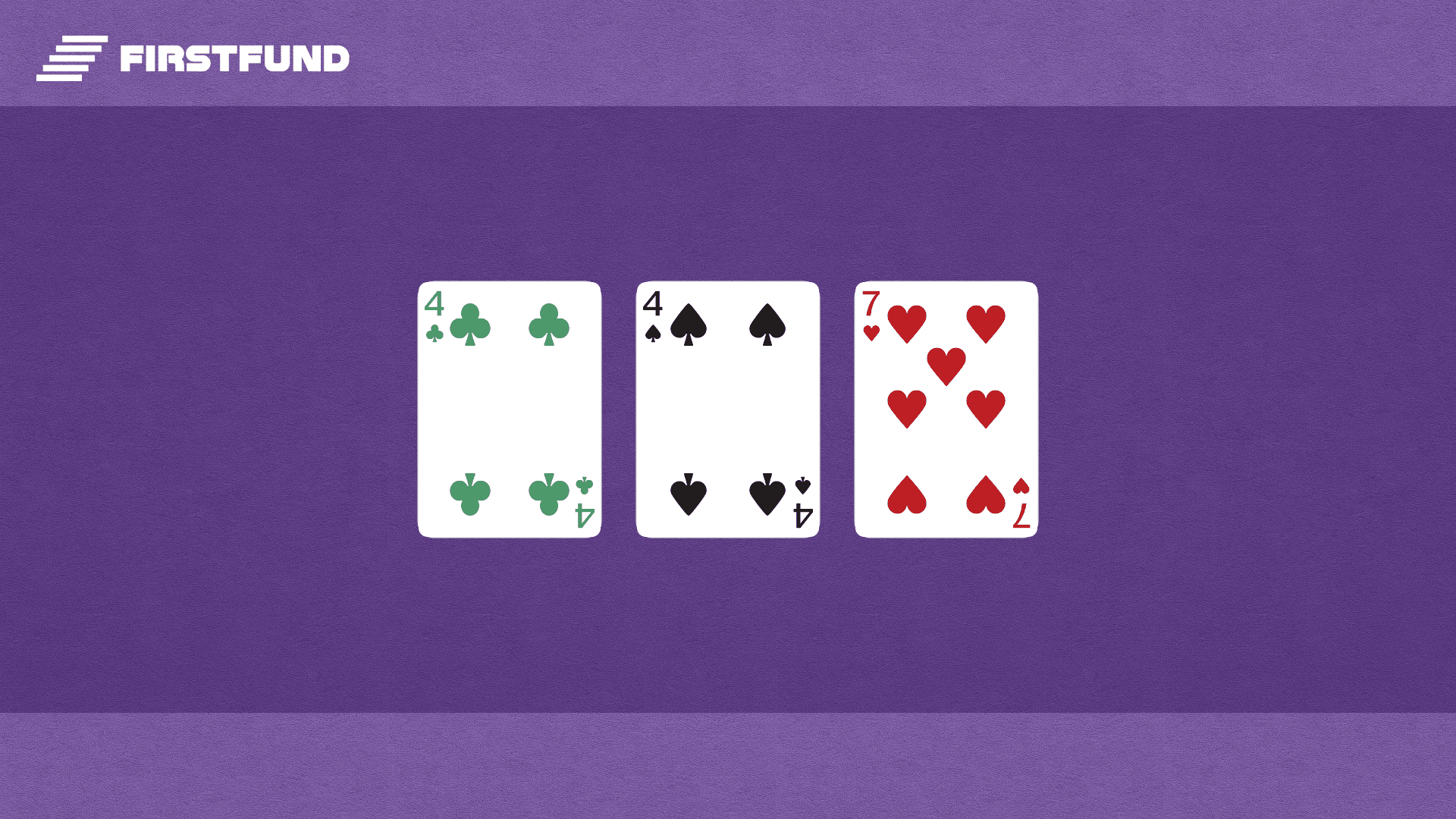
Potentially the opponent could have either a strong combination — for example, trips — or an empty hand.
What are the features of playing on paired boards?
Sizings should be careful: small bets often help control the pot and extract value* from weaker hands.
On such boards trips and full houses often appear, which makes ranges more polar*: the opponent either has a very strong hand or complete "air".
It's important to understand who has more trips in their range. For example, the player on the big blind has more small cards in their defense range, which means that on a 4-4-7 board it's precisely they who have more combinations of trips and full houses.
* Polar range — a range of hands consisting either of very strong combinations or of bluff (weak) hands, with a minimal number of medium-strength hands.
* Value — the part of a player's range with which the player bets to extract chips from the opponent's weaker hands.
Let's sum up:
Draw boards require attentiveness on the turn. They're dynamic, draws can often complete and change the nuts on subsequent streets.
Dry boards allow aggressive betting — they're static, the nuts rarely change. With strong hands you can play straightforwardly without the risk of difficult decisions on the turn and river.
Paired boards polarize* the range, so you need to pay special attention to the strength of medium hands and barrel* more carefully.
* Barreling — a bet on the streets after the flop, usually on the turn and/or river, with the goal of continuing to apply pressure on the opponent.
* Polar range — a range of hands in which there are almost no "medium" combinations: it consists either of very strong hands or of bluffs.
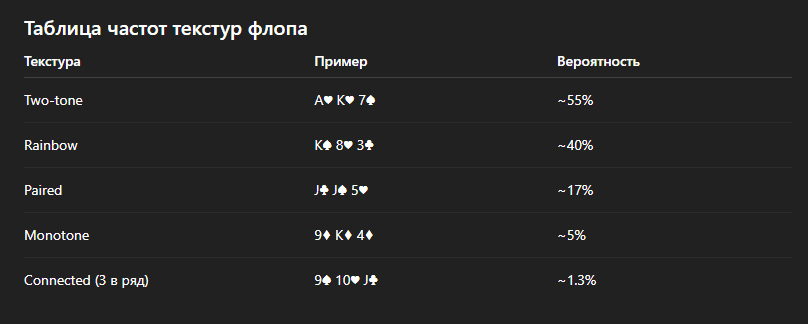
Table of flop texture frequencies
For clarity, we've put together a table that shows which boards are most often encountered on the flop.
Common beginner mistakes when reading the board
Let's look at a few examples that many players encountered at the start of their careers. Working through these mistakes leads to the player no longer losing chips where they can be saved, and gaining the skill of extracting the maximum from the opponent.
Mistake #1: not tracking the dynamics of draw boards.
On the flop, beginners bet and think they're controlling the pot, but forget that on the turn and river the opponent's draw can complete. This leads to overvaluing the strength of the hand.
Mistake #2: incorrect sizing
On paired boards, beginners too often bet large when a small bet is enough to force the opponent to fold with weak hands. In turn, on dry boards many beginners may bet less than they should — in poker this is called underbetting.
Mistake #3: incorrect range assessment.
For example, on paired boards opponents may already have trips or full houses. Most beginner players underestimate the importance of board texture and make costly mistakes. At our school you can learn:
— how to read boards and predict the development of a hand
— which ranges are stronger on each structure
— how to choose sizing and balance your play
If you want to learn to make the right decisions on all types of boards — join our team.
FAQ
Why is it important to be able to read the board, even if I have a strong hand?
The strength of a hand in a vacuum means nothing — it exists only in the context of the board. For example, a top pair on a dry board and a top pair on a coordinated board are two completely different situations. The board determines how often the opponent hit the texture, which combinations they can represent, and how much value you can get.
How do I tell whether the board suits my range and not the opponent's range?
Look at whose range contains more strong combinations: overpairs, two pairs, sets, straights, strong draws. For example, a raiser from early position more often hits high boards, while a player on the big blind hits low and medium ones. If your range is stronger on a specific texture, you can bet larger and more often. If it's weaker — lean toward pot control or playing from a check.
On which boards is it better to use a small bet?
On dry, static boards — for example, A-7-2 or K-5-5, where the opponent has few opportunities to improve. A small sizing pressures a wide calling range and allows you to cheaply realize bluffs.
Why can the same board play differently depending on position?
Because the ranges of positions have a different structure. For example: UTG contains almost no trash hands, i.e. its range hits high boards, while BB contains many connectors, i.e. it more often hits low and connected boards. Therefore the same texture can be favorable or unfavorable for you depending on who bets and who defends. Position determines the range, and the range — the strategy on the board.
Read next
What is a starting-hand chart and why do you need it?
Card Sharps in Poker: Famous Names and Their Main Tricks
# WTSD, WWSF, and WONSD in poker: what these stats mean and how to use them