WSOP and Scandals: The Loudest Stories of Cheating and Provocation
Laptopgate, the ClubWPT World case, Will Kassouf's meltdown, and more. In this article, we've gathered the incidents that changed the World Series of Poker.
Poker is a game in which psychological resilience is extremely important, especially when high stakes are involved. At the World Series of Poker, the main event for every professional, the intensity of emotions increases many times over. And this becomes fertile ground for scandals. The series has seen many stories involving provocations and outright cheating. We'll tell you about the most high-profile cases that have influenced how the WSOP has changed by 2026.
The ClubWPT Gold scandal
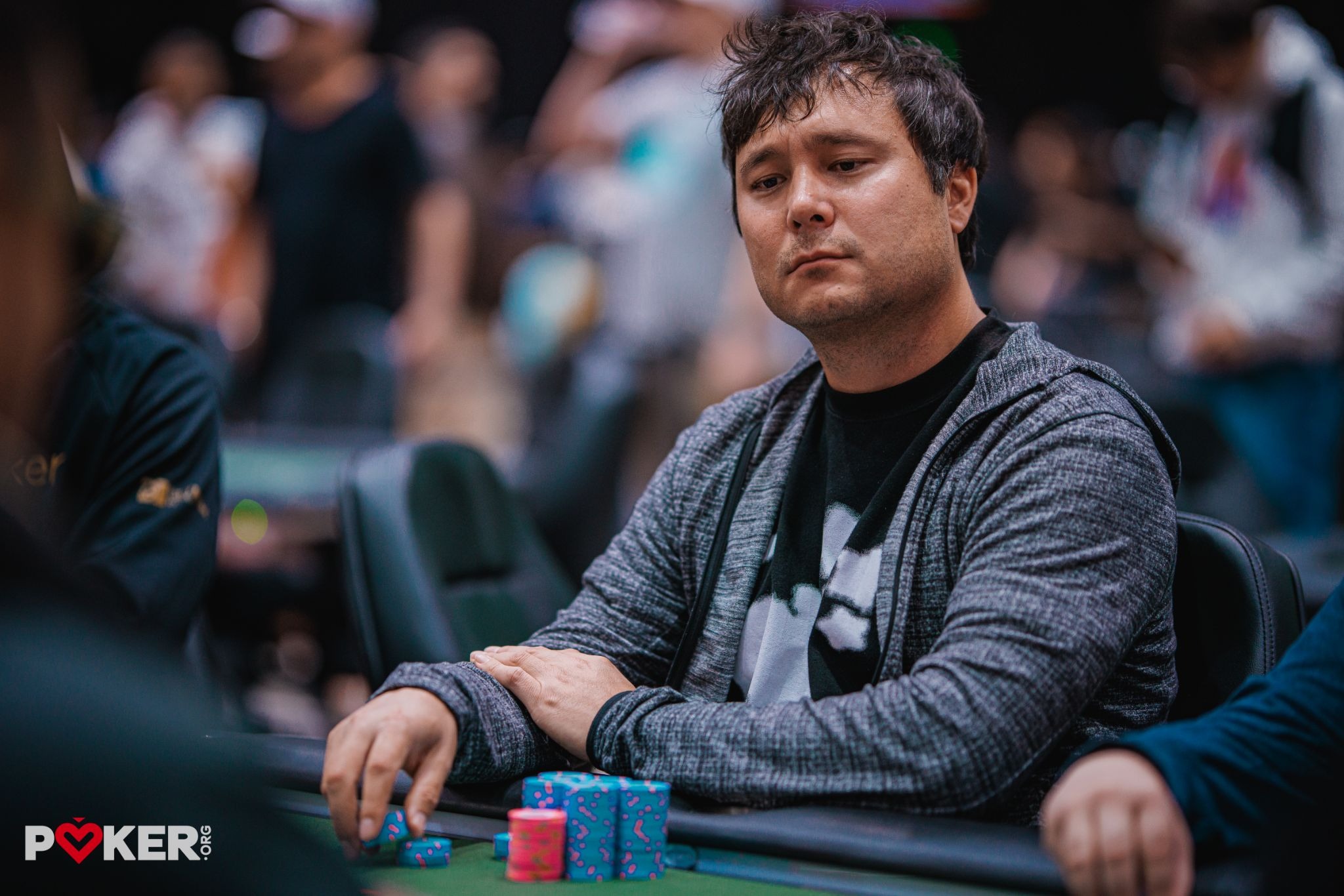
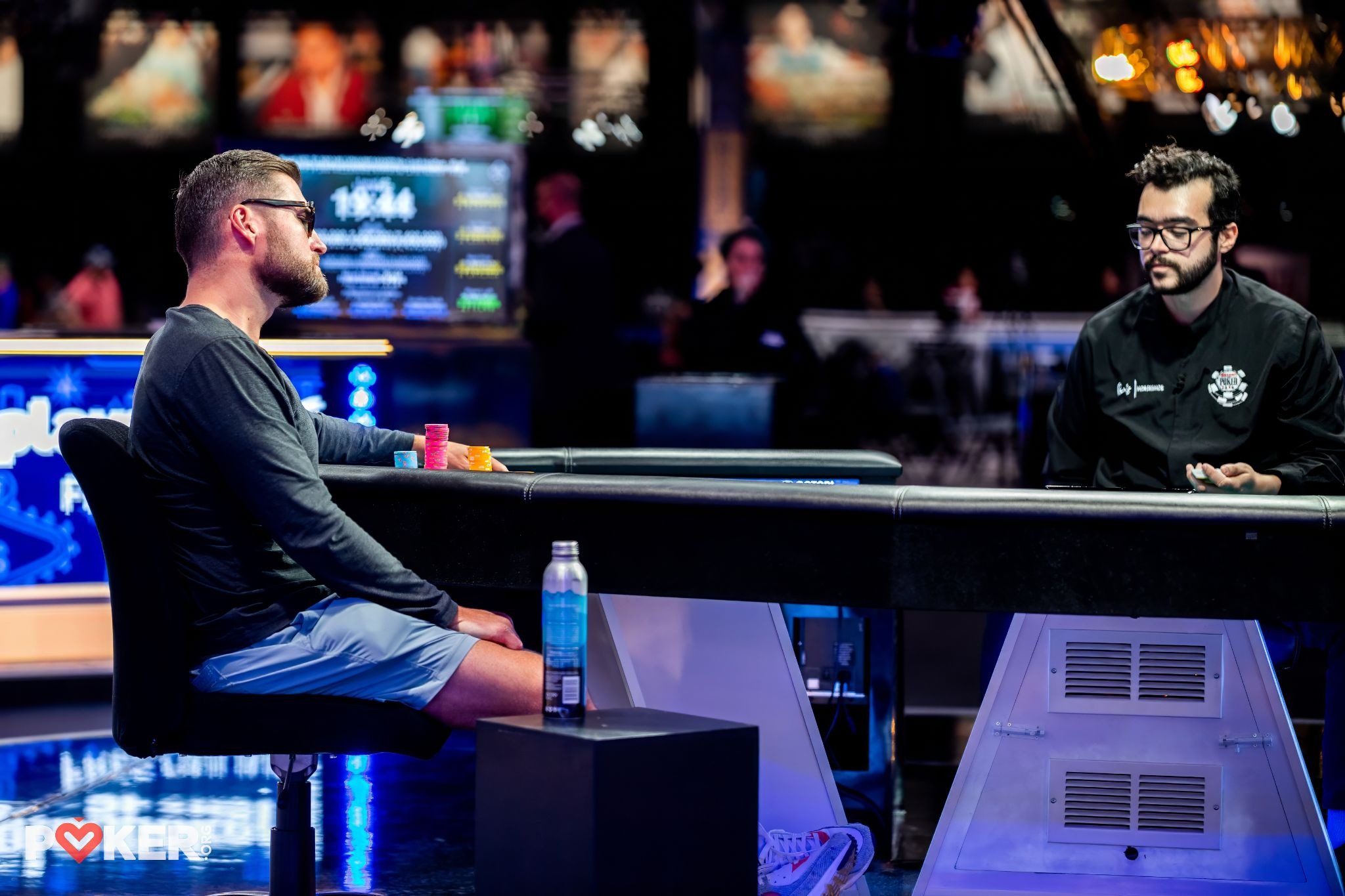
Let's start with a recent story. Last year, Jesse Yaginuma won the $1,500 Millionaire Maker event, defeating James Carroll heads-up. The winner also received a $1 million bonus from ClubWPT Gold. However, both players were accused of chip dumping and collusion. The thing is, Yaginuma reached the WSOP through a ClubWPT satellite and became part of a promotion under which the platform would pay a player a million-dollar bonus if he managed to win a bracelet. At the start of the heads-up, he had nine times fewer chips than Carroll. However, the future champion erased the deficit thanks to his opponent's uncharacteristic limps and folds, without winning a single big hand in the process.
A few hours after the event ended, the WSOP announced the start of an investigation, postponing the awarding of the bracelet and prize money to Yaginuma. Later the series cancelled the award altogether and declined to announce a winner of the Millionaire Maker, dividing the remaining prize pool between the finalists. This happened for the first time in WSOP history. Although the organization did not officially accuse Yaginuma and Carroll of collusion, according to the media, both players received a lifetime ban from Caesars casinos after this incident, which also extends to World Series events.
The Yaginuma scandal also pushed the WSOP to adopt a new rule under which payouts from third parties may be deemed to violate the regulations. In such a case, a player risks losing prize money and being disqualified from the entire tournament.
Will Kassouf against everyone
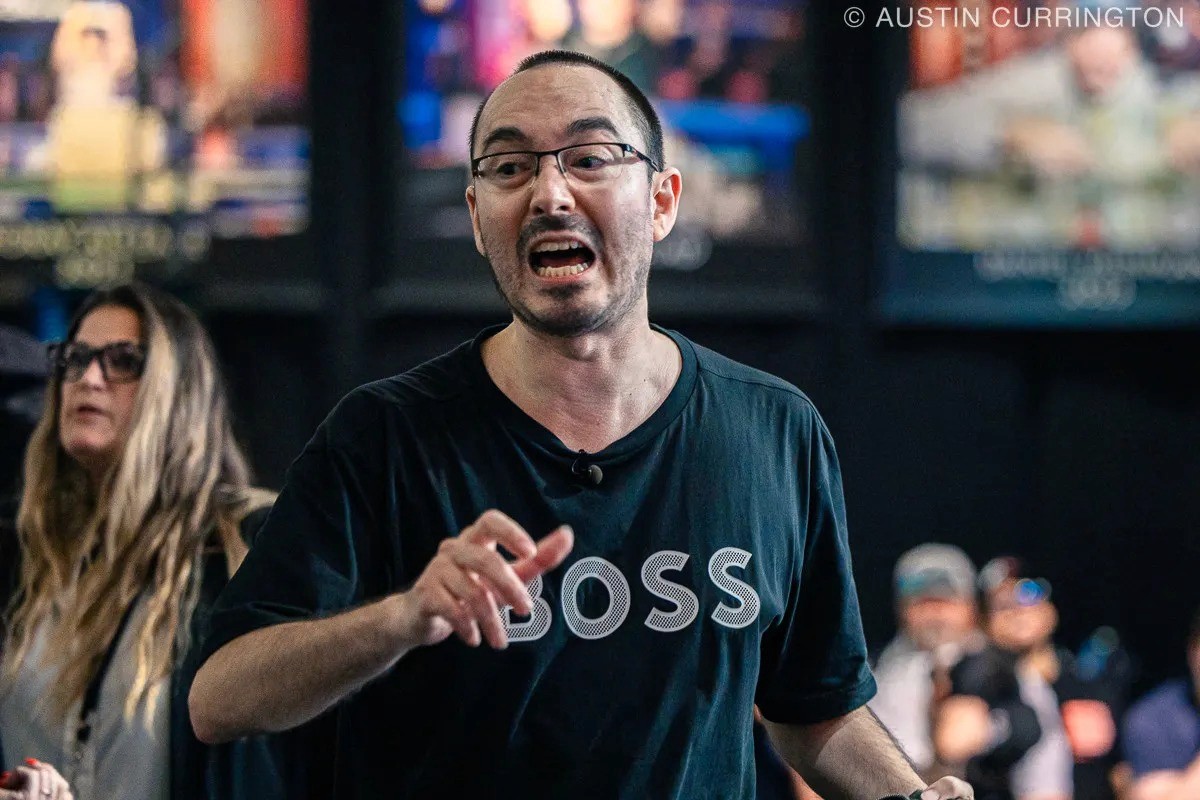
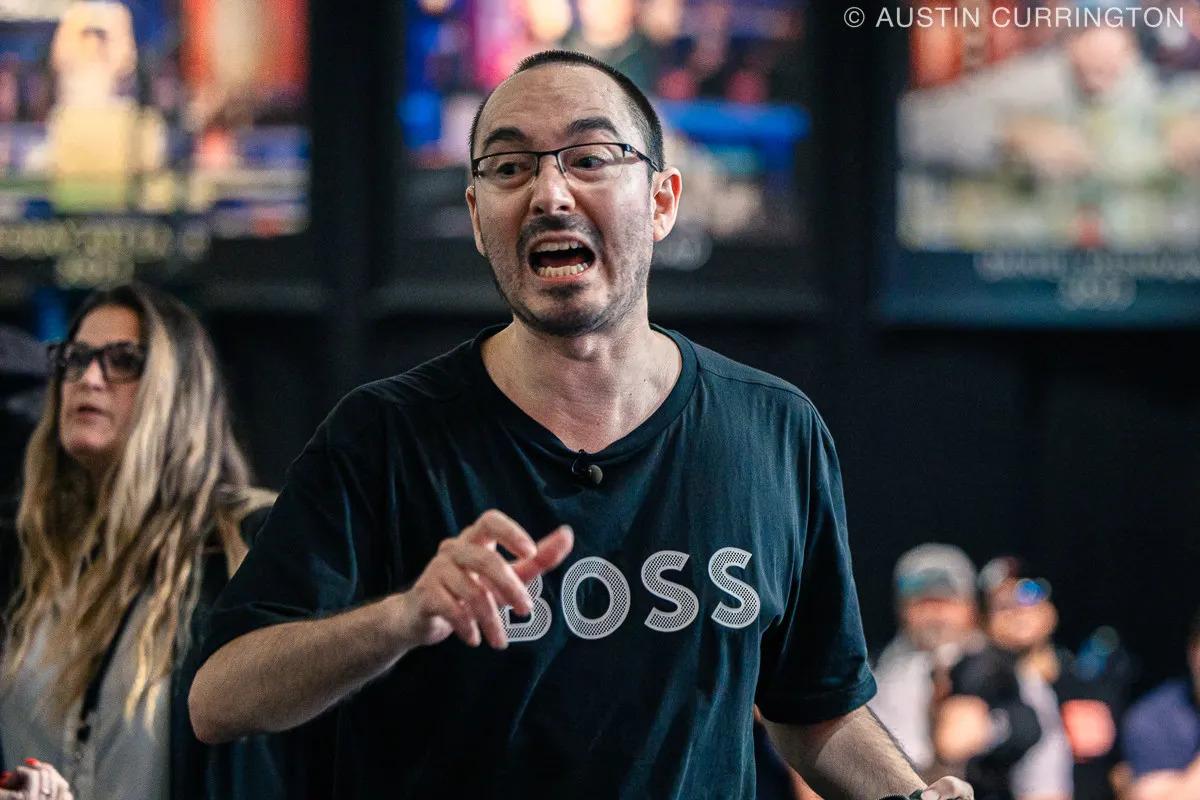
Last year saw yet another high-profile scandal at the WSOP. Will Kassouf made another deep run; back in 2016 he became known to everyone for his constant time-wasting and caustic jabs at opponents. This time the English player acted in a similar manner. Kassouf was put on a 10-second timer, and was even forced to sit out full rounds of hands for insulting remarks, but even that didn't make him change his style.
Kassouf busted out of the main event in 33rd place with pocket sevens against Kenny Hallaert's suited K5. Instead of calmly leaving the table and collecting his $300,000 in winnings, the Englishman caused a scene. Kassouf called what had happened a disgrace, and called his opponents cowards (to put his English words mildly). The floor staff had to intervene, but the Brit continued the squabble with the staff member too, and as a parting shot he told the remaining players: "I'll remember your faces. I'll meet every one of you next year. I'll deal with each of you."
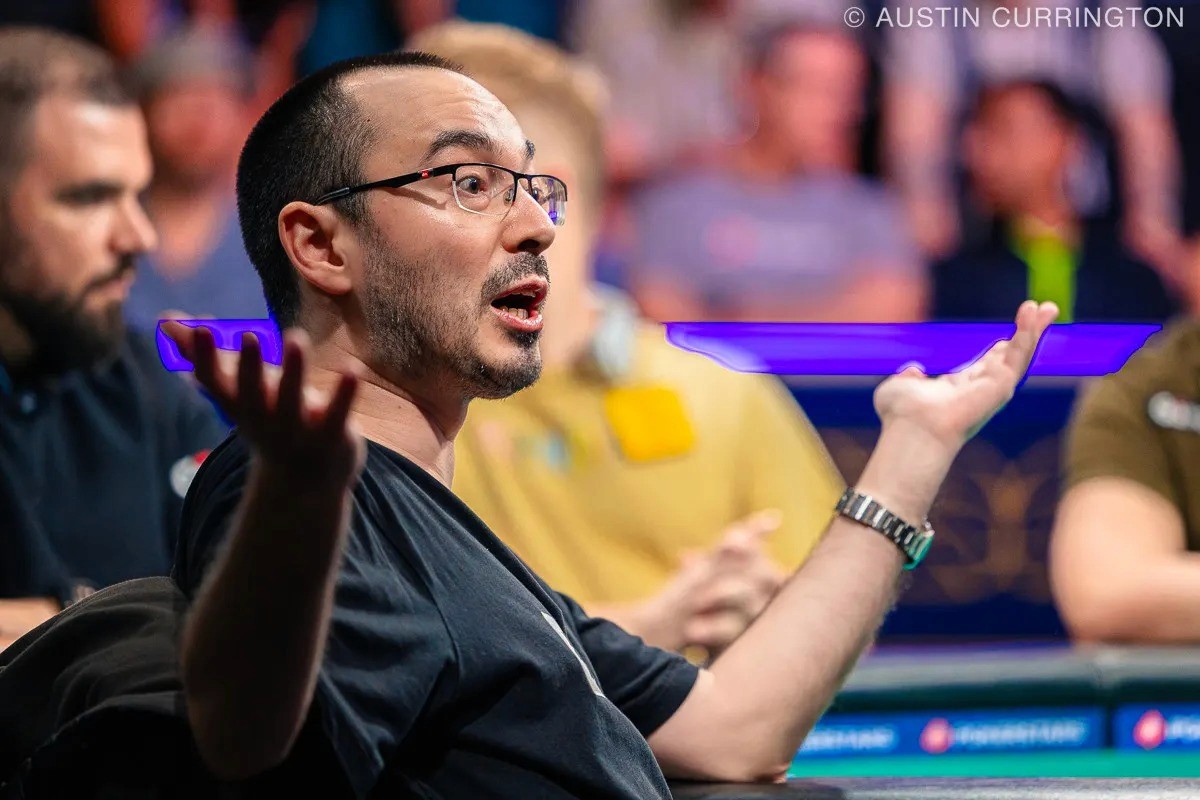
All of Kassouf's outbursts came to nothing, though. Security escorted him out of the casino, and the WSOP barred him from participating in all subsequent events of the festival. In its updated rules, the series also prohibited players from deliberately wasting time for the sake of pay jumps, which can likewise be seen as a reaction to Kassouf's antics.
Card marking in the most expensive event of the series

The well-known provocateur Martin Kabrhel reacted with indignation at WSOP Europe 2021 when a timer was called on him. However, two years later the Czech high roller would become embroiled in an even bigger scandal.
Kabrhel reached the final day of the $250,000 Super High Roller NLH with a prize pool of $17,181,000, which became the most expensive event of the festival in 2023. Over the course of the event, the professional players Andrew Robl and Hugo Lemaire noticed that the Czech was marking the cards by running his fingernail across their backs. In addition, Kabrhel constantly got up from his seat and carefully examined the backs of his opponents' cards. Before the start of the final table, the WSOP announced to the players that they were prohibited from standing up during the play of a hand. Martin Kabrhel nevertheless stayed in the game and ultimately finished third, earning about $2.3 million.
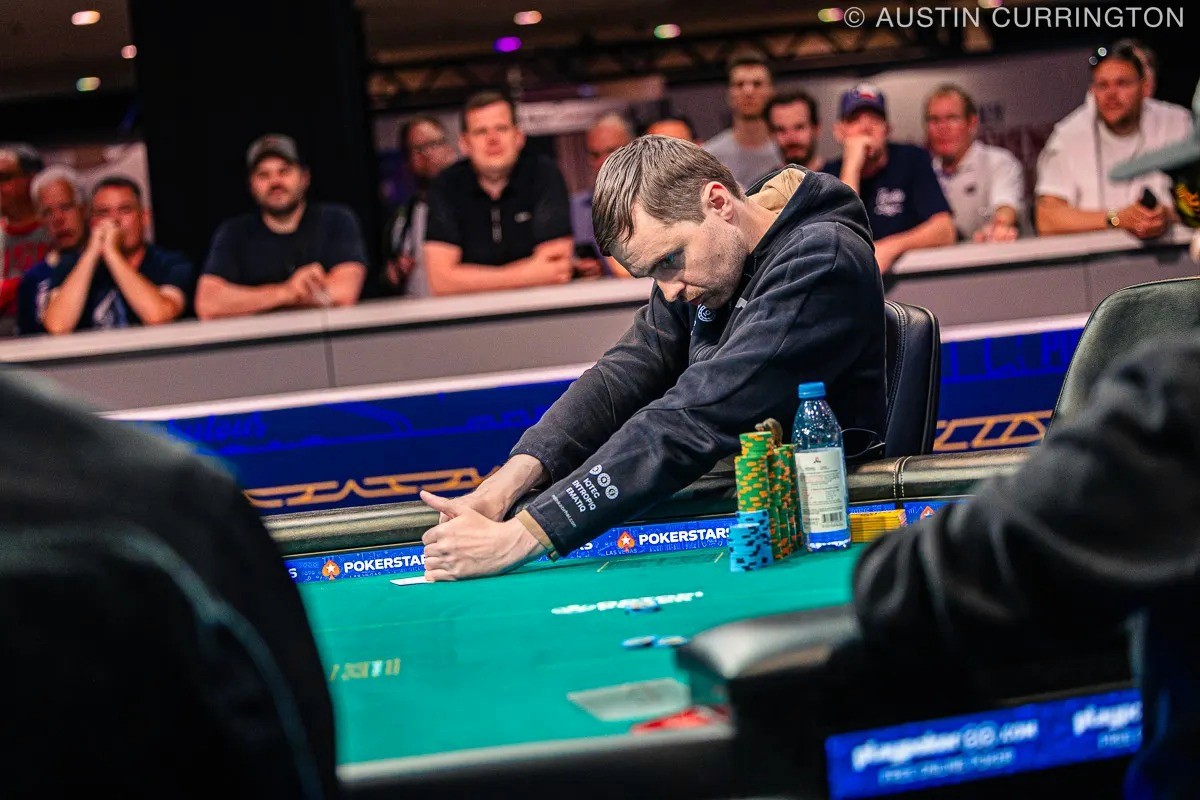
The World Series then conducted an investigation but made no public statement about whether the cards had actually been marked. However, the organization established a rule prohibiting players from getting up from their seats before the completion of a hand in which they are involved. Kabrhel himself denied all accusations of cheating and even intended to go to court with a claim about the spread of harmful information. The Czech, however, never filed a lawsuit.
Coca's tricks
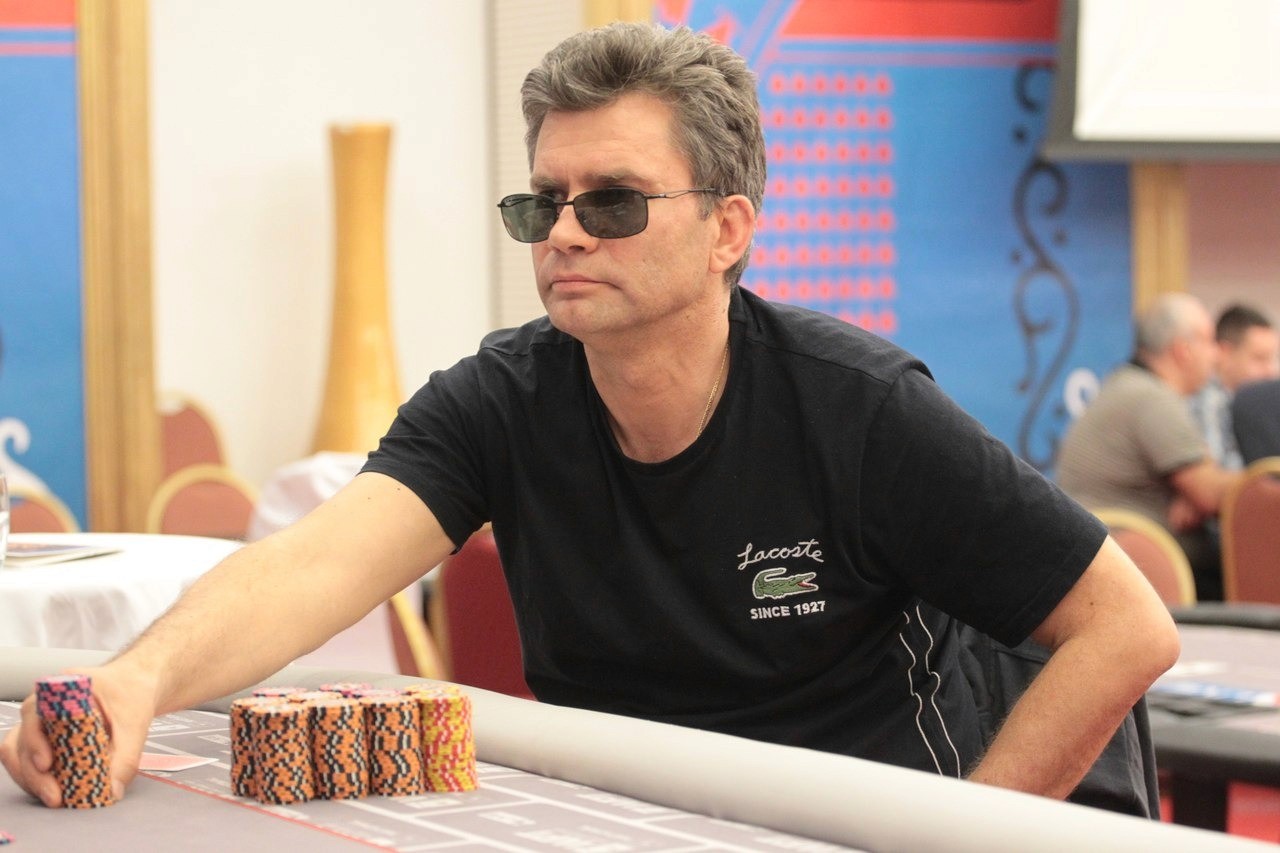
In 2015, a similar story of card marking occurred at the $10,000 Heads-Up Championship event. The Moldovan player Valeriu Coca finished fifth in this event and earned $54,545. Over the course of the tournament, his opponents — Connor Drinan, for example — noticed the Moldovan's strange manner of play. Coca checked his cards in an unusual way and seemed to always know exactly when to fold against strong hands and when to push against weak ones. Drinan noticed that the Moldovan poker player always waited until his opponent looked at their cards, and only then looked at his own. "When he realized I wasn't going to look at my cards first, he clearly got flustered. Then he looked at his hand and folded from the button," Drinan recounted.
Coca's other opponents noticed similar oddities too, and they blocked the Moldovan's view of their cards. It later emerged that Valeriu Coca had been banned from all casinos in Prague even before the event, since the venues' staff had caught him barely noticeably bending the corners of all the aces and kings in the deck. The WSOP sent the decks from the heads-up championship for examination, which revealed no traces of marking or foreign substances.
After all the proceedings, Coca did receive the prize money for the $10K Heads-Up Championship, but the World Series introduced on-the-spot testing of decks right in the middle of tournaments, as well as more intensive video surveillance of suspicious players.
Laptopgate
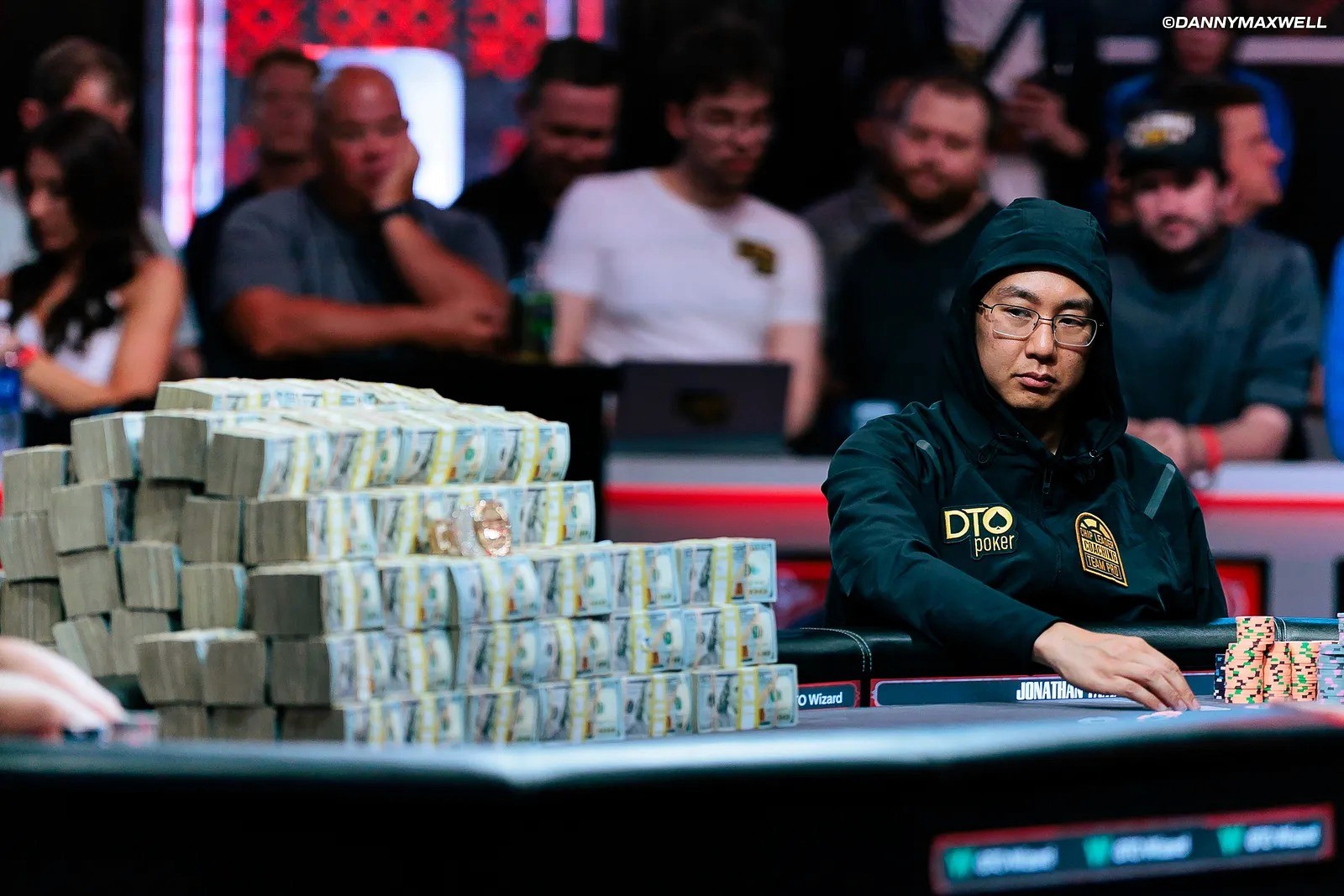
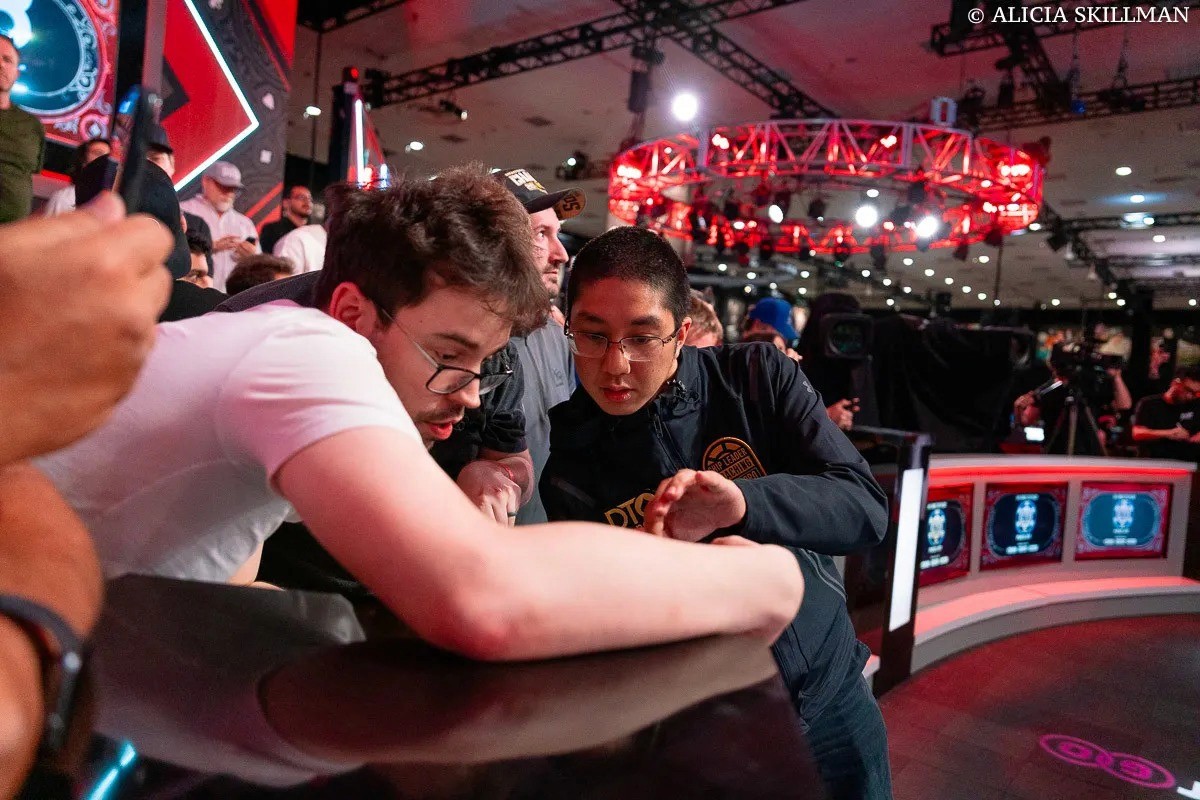
In 2024, a high-profile scandal erupted after the final of the main event, the champion of which became Jonathan Tamayo, who took home the main prize of $10 million. During the final table, the American professional regularly went over to his rail, where four-time WSOP champion Dominik Nitsche and three-time bracelet holder Joe McKeehen were located. His helpers had a stream of the event running on a smartphone, and a solver with a range chart was running on a laptop. Footage also appeared online in which one of Tamayo's assistants takes an earpiece out of his ear and passes it to another person. This raised questions about possible real-time communication during hands, although it could not be proven. The situation was aggravated by the fact that in the heads-up Tamayo faced the amateur Jonathan Griff, who had no professional support.
This incident even got a name — "Laptopgate." That said, formally Jonathan Tamayo did not violate the rules in effect at the time by consulting with the rail during breaks between hands. Amid discussions of this victory, which stretched on for several months, the WSOP in 2025 introduced a ban on the use of solvers and other auxiliary devices both in the tournament area and at the rails. Tamayo himself said he would agree with any new rule changes: "In principle, I'm not against any changes. Now it's clear what you can and can't do. And it works the same for everyone."
Gold against Leyser
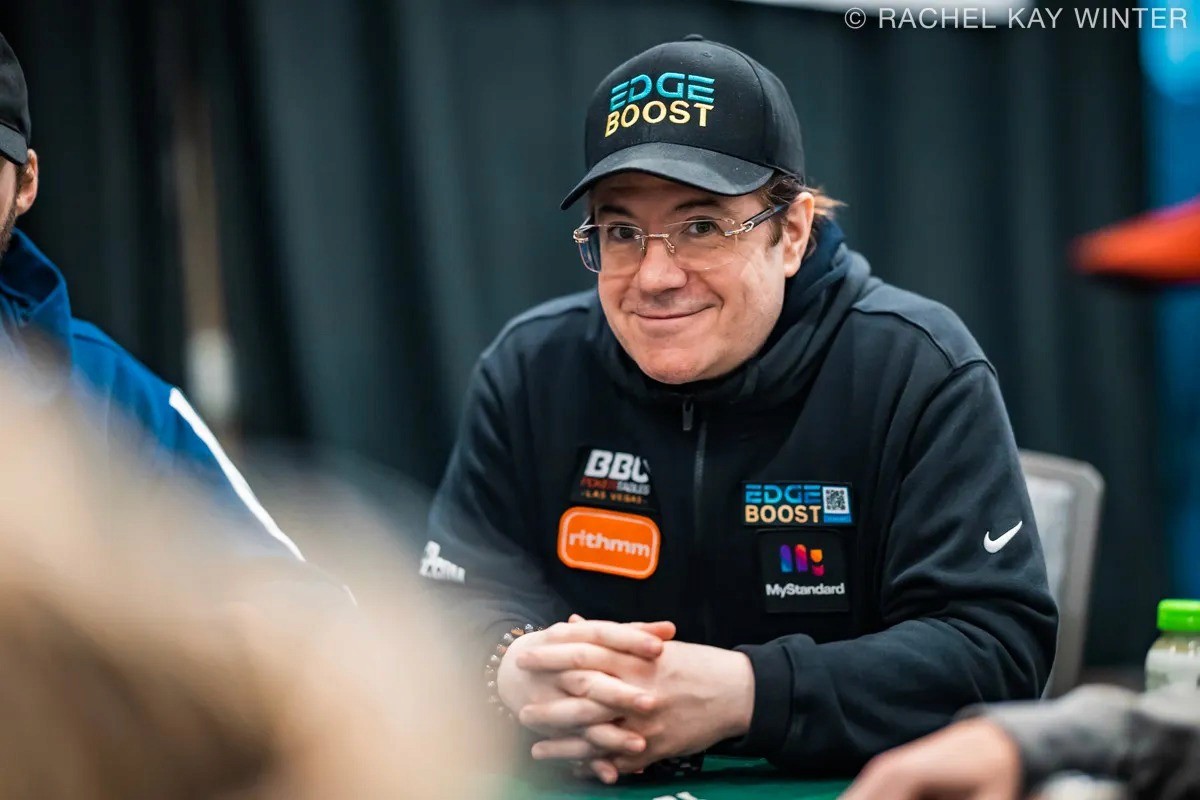
We'll wrap up our roundup with a story connected to one of the largest wins in WSOP history. In 2006, the winner of the main event was TV producer Jamie Gold, who received a bracelet and $12 million. However, immediately after the tournament, his acquaintance Crispin Leyser laid claim to half of that sum.
Leyser claimed that before the WSOP he had made a verbal agreement with Gold. The player's sponsor was the poker room Bodog, which paid the buy-in, and it asked Leyser to bring celebrities in to promote the site at the main event. In exchange for this, Gold committed to give Crispin half of his winnings. But after the win, the poker player refused to pay. The matter went to court, and in August 2006 $6 million of the prize money was frozen in the casino's accounts. In December, the federal court declined to lift the freeze, since it found the plaintiff's arguments stronger. In 2007, the parties reached a settlement. Its terms remain unknown to this day, but it is believed that Gold paid Leyser most of the disputed sum.
The 2026 World Series of Poker in Las Vegas kicks off on May 26 and will run until July 15. We, like the players, can look forward to 100 bracelet events, which will undoubtedly give us plenty of memorable moments. Who knows, maybe this year we'll witness new scandals? We'll find out the answer to that question very soon.
Read next

Holz wins his fifth Triton Poker title (and a banana)

The Most Influential Players in Poker. FunFarm Edition
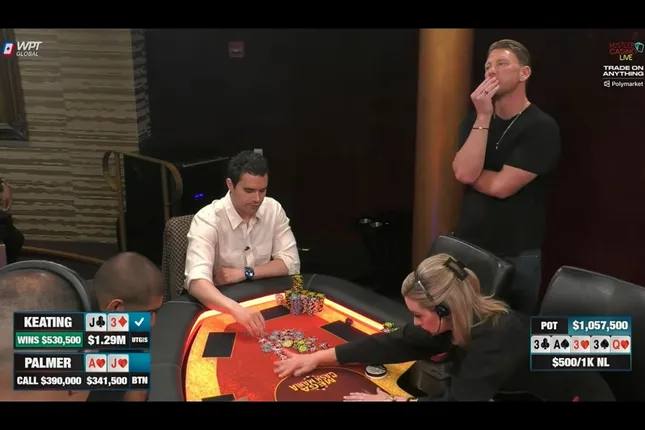
The cooler we deserved: Alan Keating won a pot of over $1 million on Hustler Casino Live