Four-Color Deck: A Cognitive Advantage for the Professional Player
Expert breakdown of the four-color deck. How reducing cognitive load directly impacts the analysis of combinatorics, board texture, and winrate when multitabling.

In modern online poker, where the edge over the field keeps getting thinner, players seek optimization in every detail: from GTO solvers to workspace ergonomics. Yet one of the most effective tools for boosting performance and decision quality is often overlooked — switching to a four-color deck scheme.
How it works: Reducing cognitive load
The effectiveness of the four-color deck rests on a fundamental principle of cognitive psychology: the human brain processes color differences faster and with less effort than differences in geometric shapes.
When using a standard two-color deck, the player pays a constant "cognitive tax" on distinguishing the ♠ (spades) and ♣ (clubs) symbols, as well as ♥ (hearts) and ♦ (diamonds). Each such micro-operation, multiplied across thousands of hands and several tables, adds up to noticeable mental fatigue and slows down decision-making.
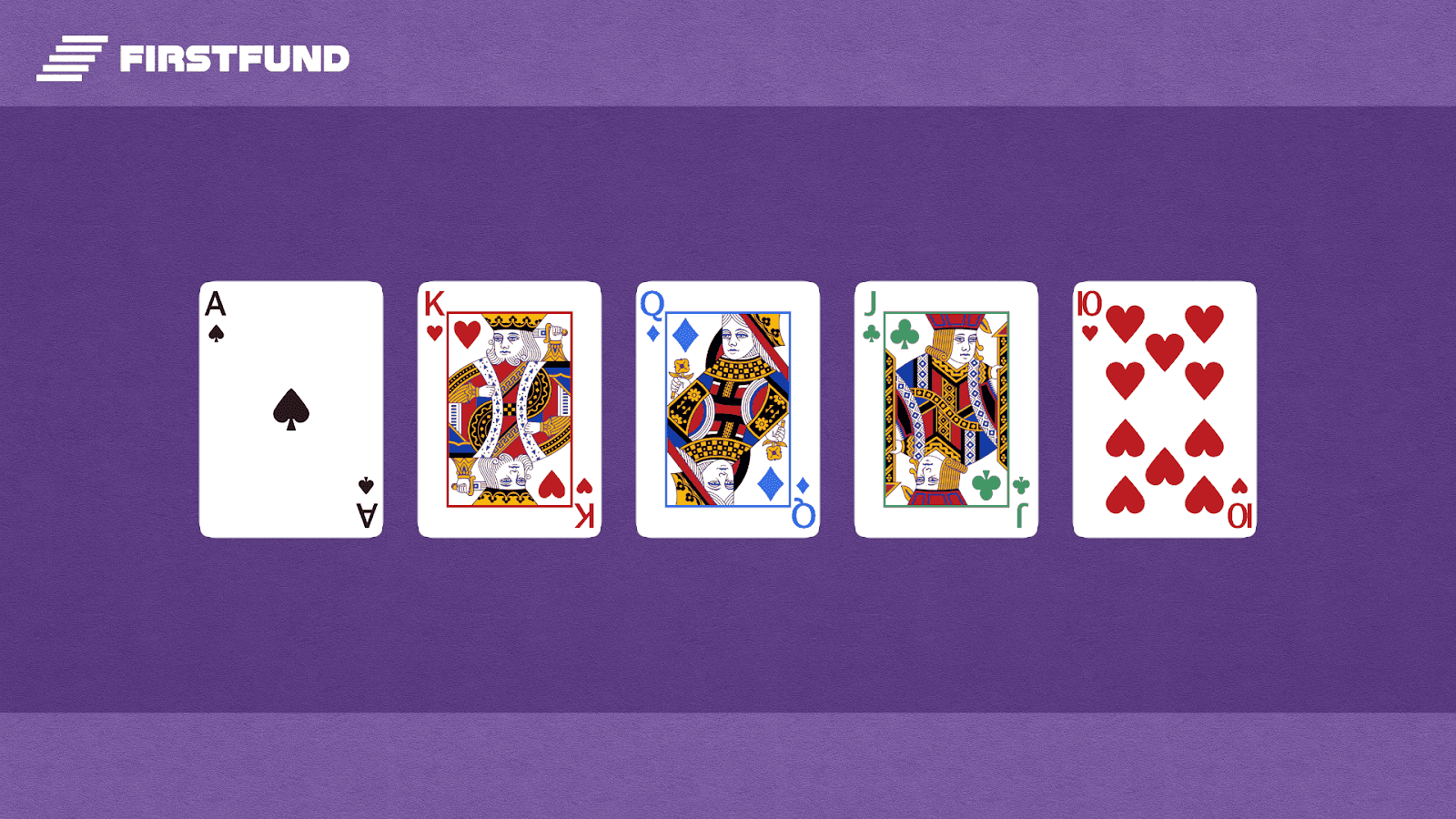
The four-color scheme — black spades ♠, red hearts ♥, green clubs ♣, and blue diamonds ♦ — replaces this operation with simple color-based pattern recognition. This is a virtually instantaneous process that minimizes unnecessary mental work.
Applied strategic advantages
The freed-up cognitive resource is directly reinvested into the key aspects of strategic analysis.
1. Instant board texture analysis
The speed of reading the flop's structure is critically important. With a four-color deck, you instantly classify the board:
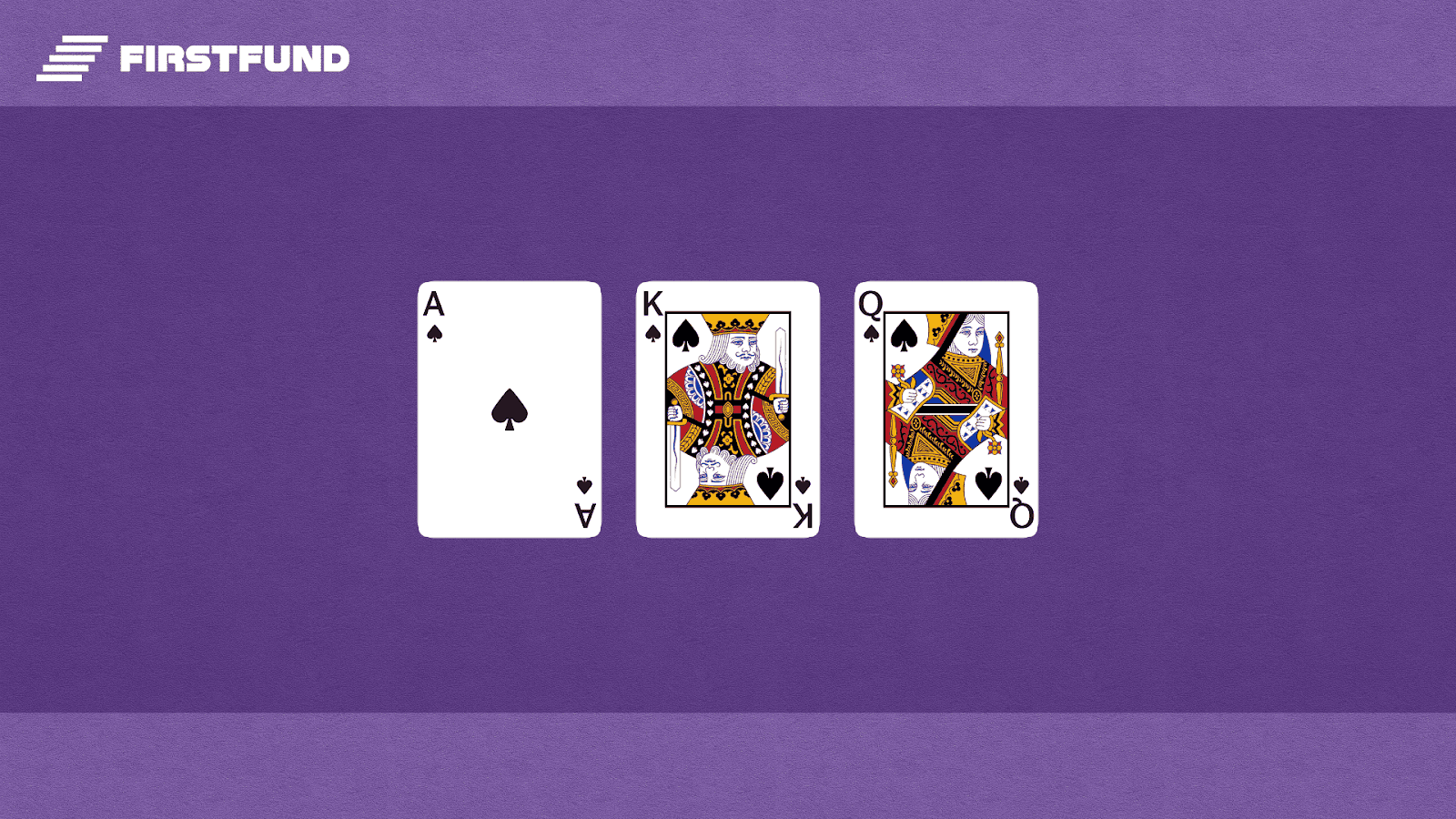
Monotone board: Three cards of the same color instantly signal the maximum flush threat.
Two-tone board: Two cards of the same color and one of another clearly define the specific flush draws.
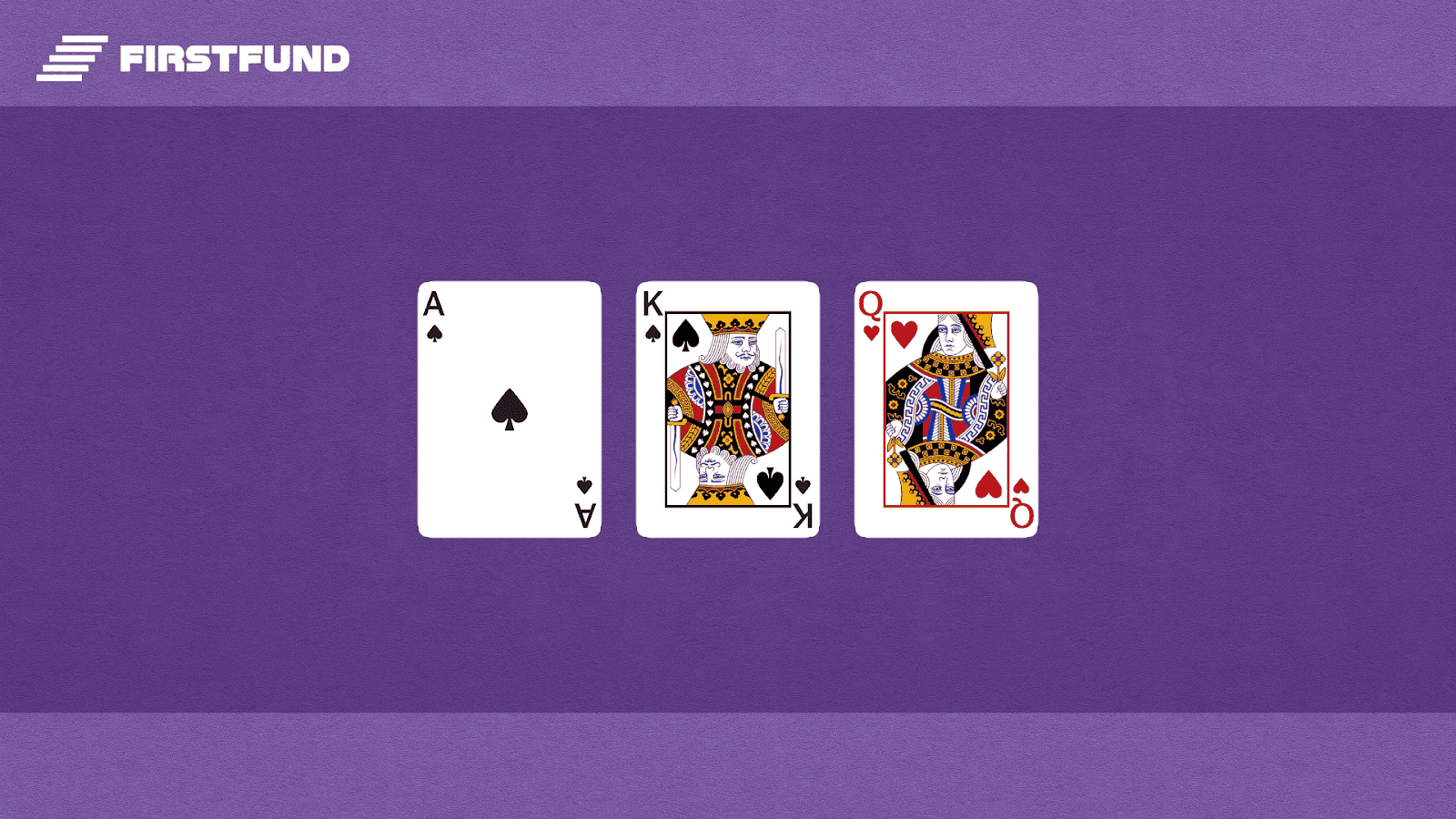
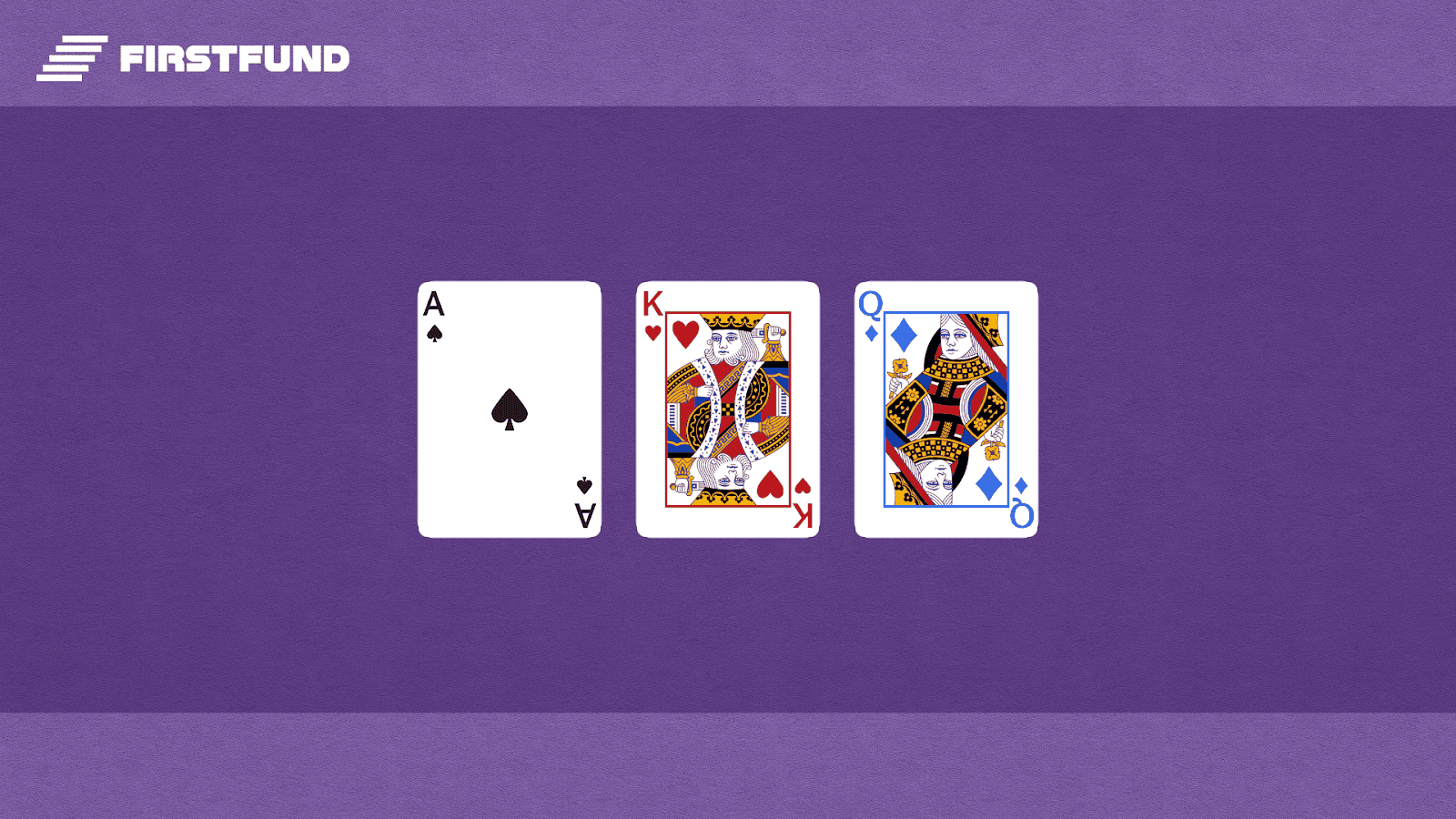
Rainbow board: Three cards of different colors let you immediately rule out any flush draws from your opponents' ranges.
Speeding up combinatorial analysis
When evaluating ranges and counting combinations, speed plays a decisive role.
Picture a flop of A♥ K♦ 8♦. With a two-color deck, you need to look carefully to make sure the K and 8 are the same suit.
With a four-color deck, you see A♥ K♦ 8♦ — two blue cards. Your brain instantly registers: "There's a diamond flush draw on the board." You start counting the flush-draw combinations in your opponent's range faster, without wasting time on basic identification.
Boosting multi-tabling efficiency
For grinders playing 8-16 tables, every second of decision-making matters. Cutting the time spent on basic board analysis from 0.5 seconds to 0.1 seconds per table leads to colossal savings in mental energy over a session. This lets you either add more tables without losing play quality, or make more measured and complex decisions at your current number of tables — which directly translates into higher $/hour.
A tool for peak performance
The four-color deck is no magic pill, but it's not just a cosmetic "gimmick" either. It's a professional tool for optimizing your workflow, on par with a tuned HUD, convenient hotkeys, and the right table layout on your monitor.
By implementing this simple setting, you eliminate unnecessary friction in the decision-making process. This lets you direct 100% of your intellectual potential toward what truly makes money in poker — superiority in strategy.
Ready to move from interface optimization to deep work on your strategic thinking? Our FF Start course lays the fundamental GTO base on which the game of modern professionals is built.
FAQ
Does using a four-color deck affect the operation of poker trackers and HUDs?
No, it has absolutely no effect. The HUD (Heads-Up Display) draws its data from the hand history, not by reading it visually off the screen. The color scheme is purely a client-side interface setting.
Are there industry-standard colors, or do they vary?
The "black spades, red hearts, green clubs, blue diamonds" scheme is the most widespread de-facto standard. However, some platforms or custom layouts may offer alternative color solutions. It's recommended to stick to the standard for universality.
Is it worth switching if I only play 1-2 tables and don't experience any problems?
Yes. Even at 1-2 tables, reducing cognitive load is beneficial. It allows you to focus more deeply not on what is on the board, but on what it means — your opponent's ranges, planning for the following streets, and exploiting their tendencies.
Read next

# How to Play Texas Hold'em: A Complete Rules Guide for Beginners

Bankroll Management in Poker: A Guide to Managing Your Money

Boards in Poker: A Complete Guide for Beginners