How to deal with frustration when playing poker?
In poker, as in many other areas, the inspiration of the early stages is often followed by disappointment after setbacks. Here's how to rekindle your love for the game if you've run into this.
Poker demands a high level of psychological resilience. However, even players with the strongest mindset sooner or later face disappointment in their skills and in the game itself. The vivid interest and emotional involvement at the start of a career fade over time and may even disappear entirely. What leads to this? And, most importantly, how do you fight it and rekindle your love for poker? Renowned mental coach Jason Su reflected on this, and FunFarm's head psychologist Tatiana Barchukova helped dig deeper into the problem.
How is poker perceived at the start?
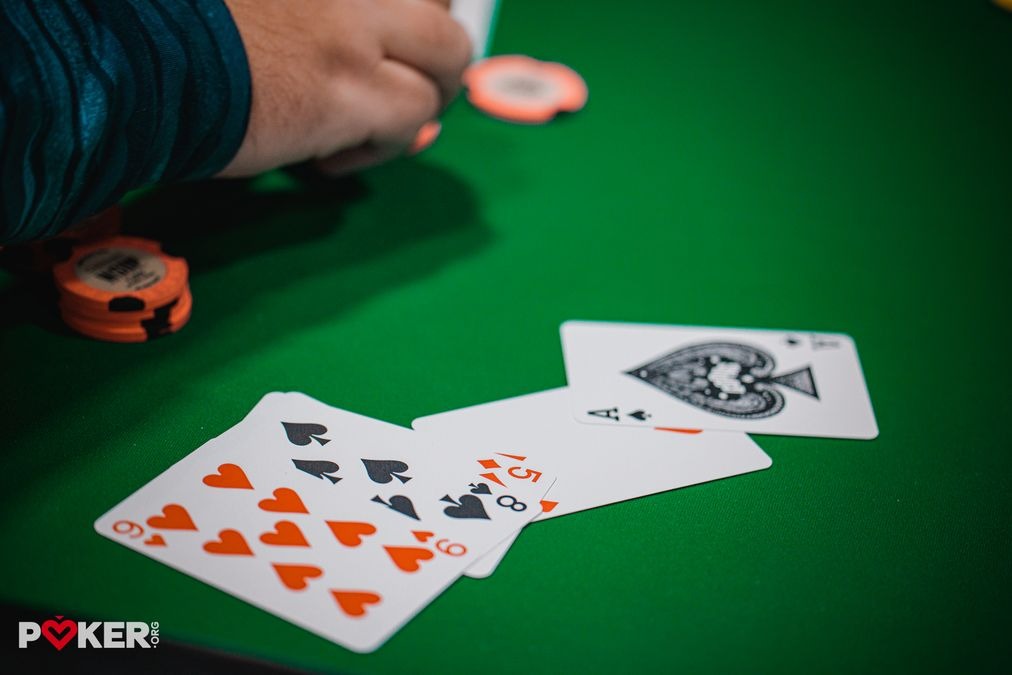
Photo: PokerOrg
We believe that for most poker players the start of a career feels the same. You learn about professional poker, dive into the industry, and it pulls you in more and more. You start studying, mastering the basic principles and rules, and the game keeps revealing itself to you more deeply. Studying and playing bring genuine pleasure. The first wins are pure delight. Yes, losses sting, but they're seen as fuel for progress. Experiments at the tables deliver huge emotions, even if they don't always work out. And waiting for the next session can be very hard.
Of course, this doesn't happen only with poker. A new hobby or job can bring similar feelings too. Our brain needs novelty; it loves tackling new challenges and rewards us with dopamine in return. As Tatiana Barchukova says, the novelty factor and regular small wins help preserve interest and love for poker in the early stages.
Tatiana Barchukova:
— "At the start, a player is usually supported by two powerful sources of motivation at once. The first is novelty. The brain loves to explore the unknown, notice patterns, and get a sense of progress. The second is a feeling of competence. Every new concept, every successful hand creates the feeling: 'I'm starting to understand this game.' It's precisely the combination of curiosity and regular small wins that helps preserve interest and enjoy the learning process."
What kills the love for poker?
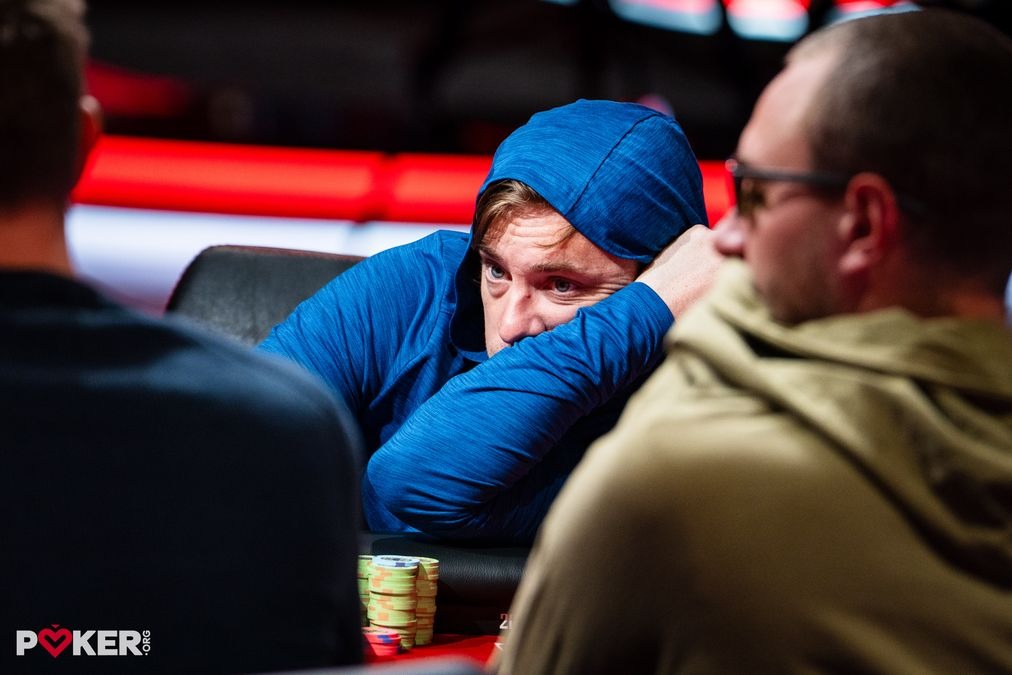
Photo: PokerOrg
And yet this "honeymoon" can't last forever. When poker becomes a firm part of your life, it gradually turns into routine. On top of that, you start getting more and more advice from other players and coaches. And often they say: "don't give in to emotions," "act rationally." Such thoughts gradually take root in the subconscious and make you play differently than you did at the very beginning. They even become part of an inner critic that hits your psychology especially hard after failures.
Even wins stop being received with the same joy as before. You start explaining them away as luck and downplay your own contribution to good results. And that can lead to lower self-confidence and a loss of inner motivation.
Tatiana Barchukova:
— "Many players learn to explain failures by their own mistakes, but at the same time they start explaining success solely by luck. The problem is that the brain gradually gets used to noticing only its own shortcomings. As a result, a feeling forms that good results are random while bad ones reflect the player's real level. Such an evaluation system inevitably undermines confidence and makes a person more vulnerable to tilt and burnout."
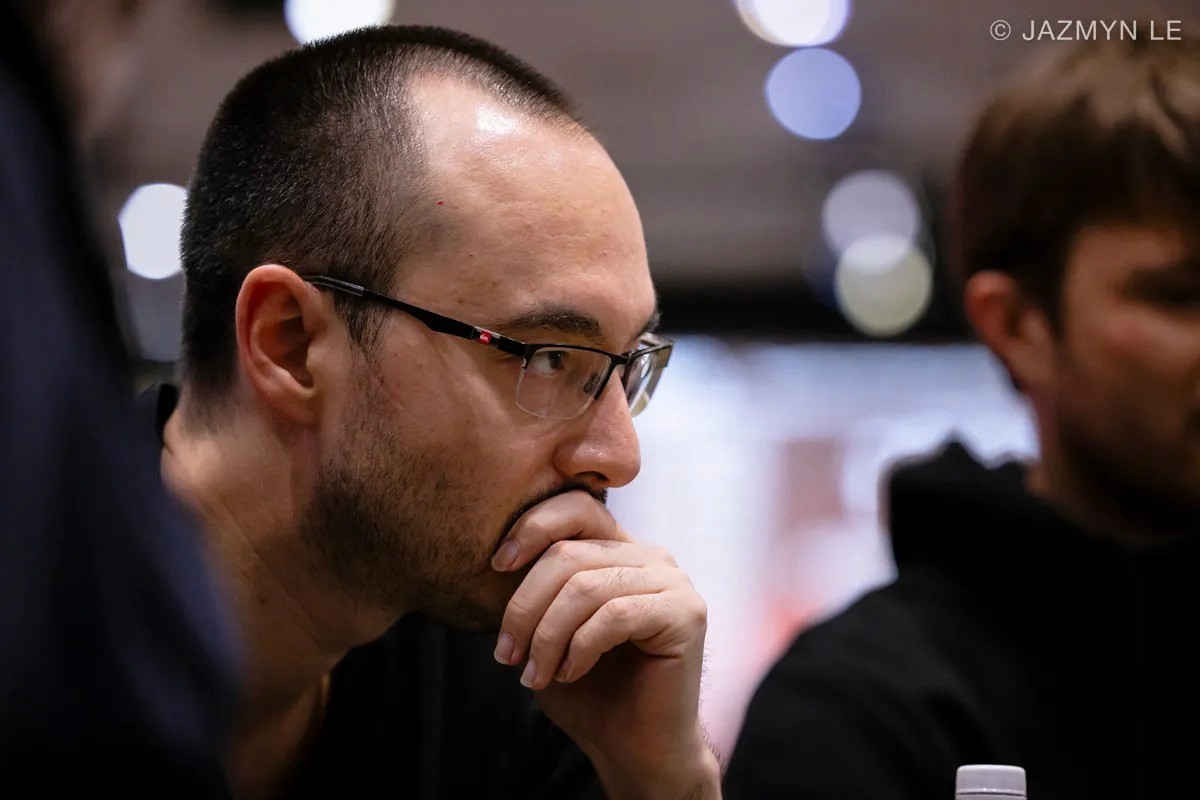
Photo: Jazmyn Le
As Jason Su writes, it's not poker itself that grinds people down, but the culture of players and incompetent mental coaches. They can instill the wrong attitudes and significantly change your relationship with the game. However, it has to be admitted that poker itself also has factors that throw players off balance. And while bad beats are simply unpleasant, downswings and a long, monotonous grind seriously deplete our psyche.
Tatiana Barchukova:
— "Understanding variance and the long run really does help a player stay resilient, but it's important to use this knowledge correctly. Its purpose is to form realistic expectations about the profession as a whole. It helps you accept the fact that even a strong player will face downswings, tough stretches, and results that at first glance seem unfair.
But when we try to silence our emotions after a specific bad beat with phrases like "it's just variance," it rarely works. Disappointment, anger, or frustration still arise. It's far more useful to acknowledge these feelings as a normal reaction to an unpleasant event, and only then remind yourself of the long-term perspective. The long run helps explain what's happening, but it doesn't cancel out human emotions."
The problem of suppressed emotions
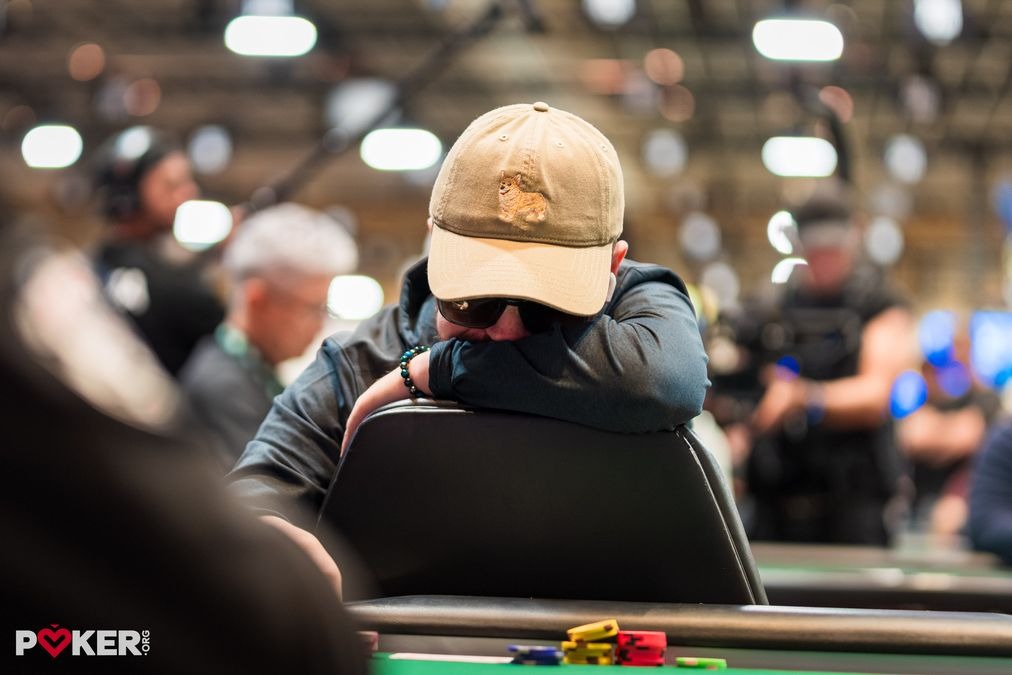
Photo: PokerOrg
Once you start suppressing your emotions, the former pleasure from poker is lost too. And that, of course, affects your play at the table. You become more irritable, and progress slows down. All of this leads to burnout, which hits not only your psychology but also your physical condition. Moreover, constantly suppressing emotions isn't limited to the negative spectrum alone — it also gets in the way of enjoying the game and your progress.
Tatiana Barchukova:
— "Emotions work like a signaling system. They tell us about important events, needs, and inner conflicts. When a person tries to fully switch off their emotions, they lose access not only to unpleasant experiences but also to pleasure, interest, excitement, and the sense of satisfaction from progress. What's more, suppressed emotions don't disappear. They accumulate and often show up as irritability, chronic fatigue, lower motivation, or sudden emotional breakdowns."
How do you bring back the joy of the game?
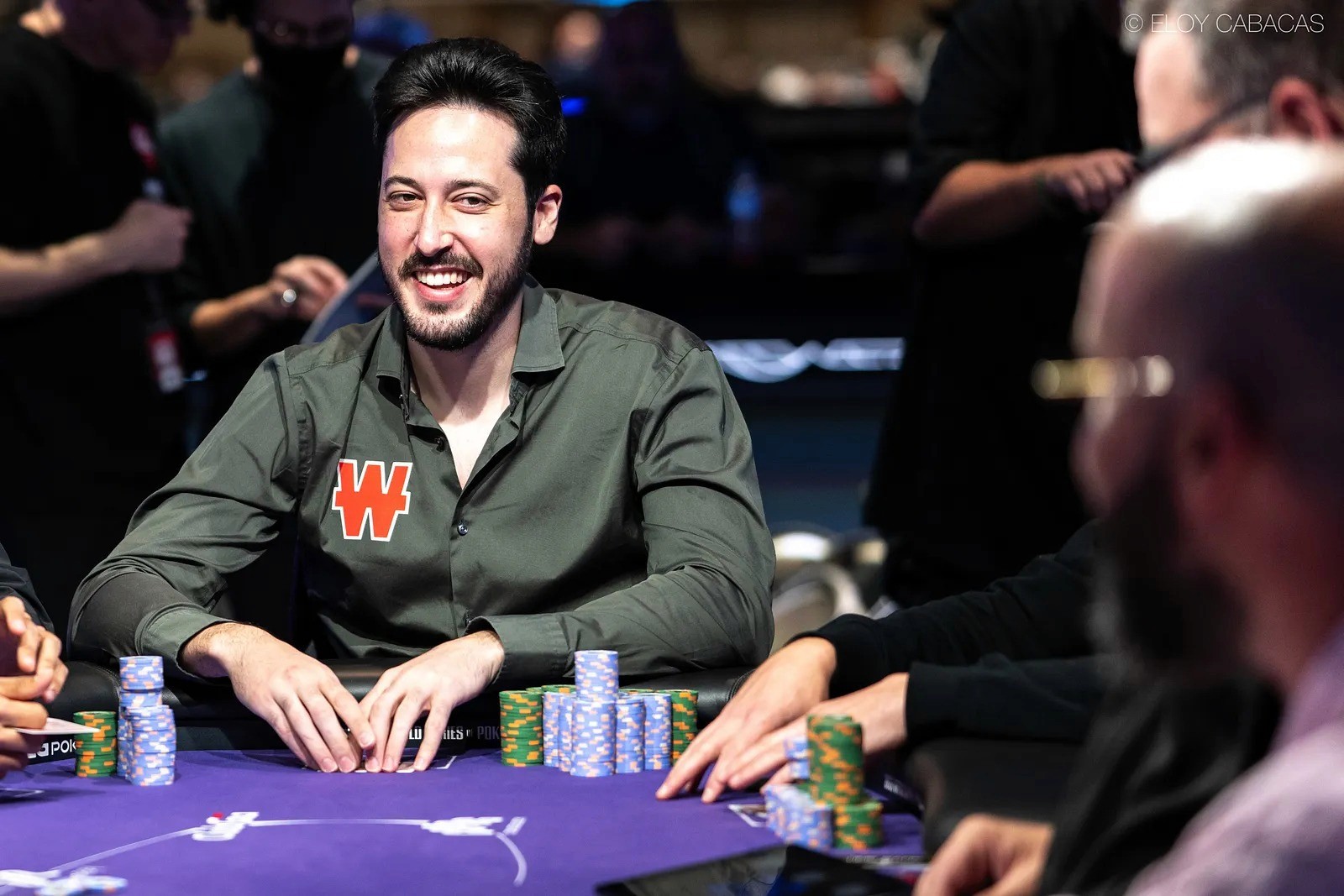
Photo: Eloy Cabacas
To fight burnout you need to work on several fronts at once. Of course, you need to build the right mindset, but you can't get by without due attention to your physical condition either. Healthy sleep and regular activity will help you keep your head clear and fresh. And smart game management will protect you from major losses during rough patches. You'll find practical advice on each of these areas in our expert guide.
Jason Su adds that poker players also need to fully experience all the feelings that come from playing. However, keep in mind — you should be careful with emotions, since they can take over at the most crucial moment. To achieve a fine balance between healthy emotionality and excessive sensitivity, you need to develop the skill of emotional awareness and self-regulation.
Tatiana Barchukova:
— "A player's goal isn't to stop feeling. It's far more useful to learn to notice your emotions, understand their causes, and choose how to act next. An emotion in itself doesn't make a decision bad. Problems begin when we act automatically, without noticing our own state. The better a player understands their reactions, the easier it is for them to keep control over their behavior while not losing a lively interest in the game."
Photo: PokerOrg
A strong psychology will help not only professional players but amateurs too. It will protect you from tilt and help you preserve your enjoyment of the game. FunFarm pays a lot of attention to the psychological aspect, which is why the fund has a mental care department that helps players maintain balance and resilience.
Read next
Phil Hellmuth ready to return to the WSOP after COVID-19
Sean Deeb: "Cowden acted like an absolute asshole in our heads-up"
Michael Mizrachi was eliminated from the Players Championship